
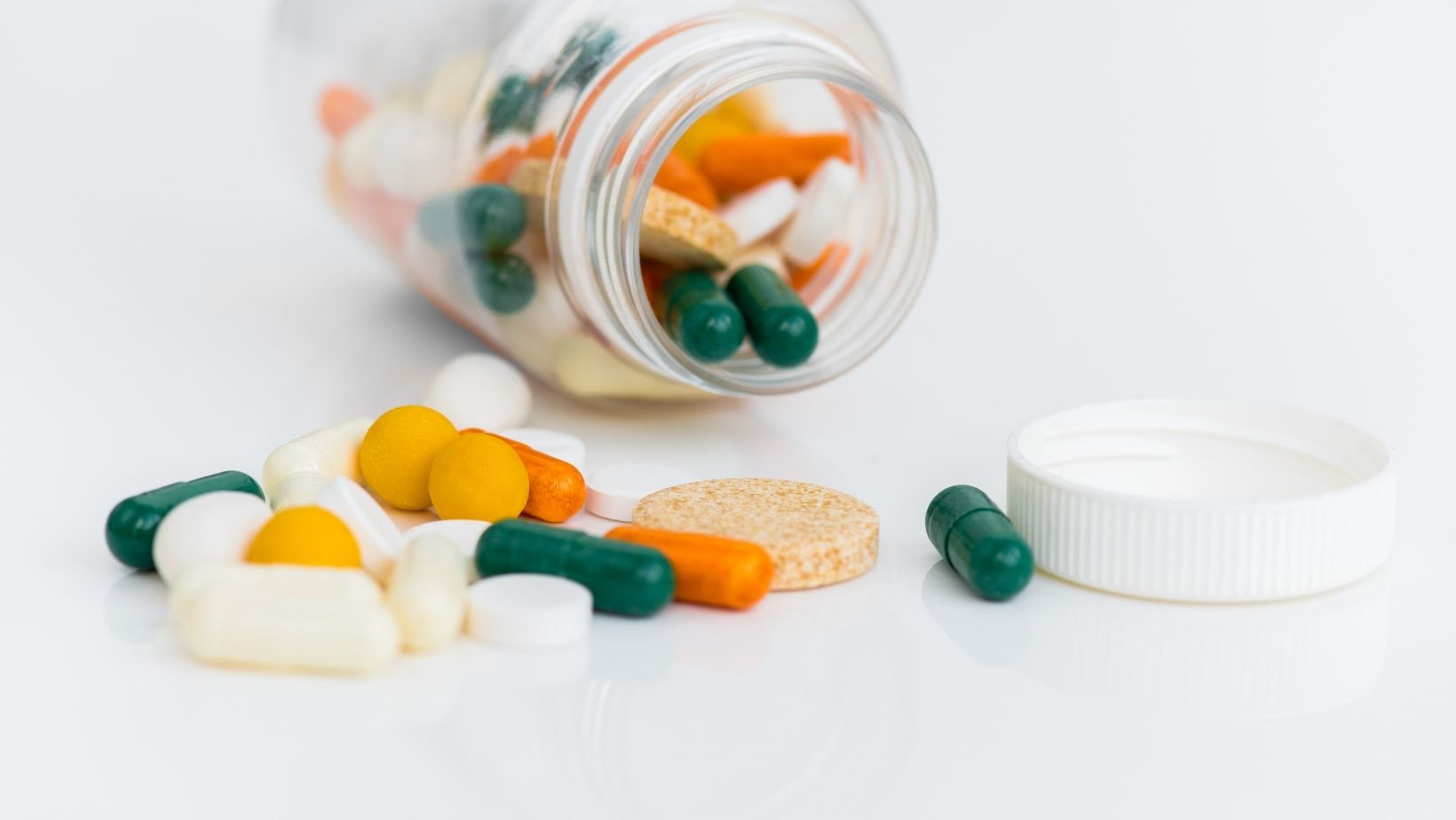
Pre-workout supplements affect hormone levels through mechanisms specific to their ingredient composition rather than through a uniform category effect. The most common compounds found in pre-workout supplements, such as caffeine, creatine, beta-alanine, citrulline, and nitric oxide precursors, interact with hormonal systems in ways that have been documented. These interactions range from acute and transient to cumulative and relevant to specific protocols. Men who manage their hormonal status through structured approaches, such as TRT, hormone support supplements, or evidence-based nutritional protocols, can benefit from understanding how pre-workout compounds interact with cortisol, testosterone, insulin, and catecholamine systems. Most discussions of either category underexamine the interaction between training-context supplementation and hormonal balance, and the gap between pre-workout marketing claims and the evidence is wider than most users realize.
This article covers the documented hormonal effects of primary pre-workout ingredient categories, the evidence regarding acute versus chronic exposure, and how these effects interact with hormone support supplement protocols.
Key Takeaways
- Caffeine, the primary active ingredient in most pre-workout supplements, causes an acute elevation in cortisol and epinephrine that is dependent on the dosage and is reduced with chronic use due to receptor adaptation.
- Creatine supplementation has documented effects on dihydrotestosterone (DHT) production through its influence on the enzyme that converts testosterone to DHT. These effects have clinical implications that require evaluation in the context of an individual’s protocol.
- Chronic use of high-dose stimulant pre-workout supplements that elevate cortisol may suppress the HPG axis, reducing endogenous testosterone production independently of training volume.
- Interactions between insulin signaling and pre-workout carbohydrate formulations affect the hormonal environment around training, interacting with testosterone and growth hormone pulsatility.
- Hormone support supplements that address cortisol load, magnesium status, and zinc status may offset some of the hormonal disruption caused by chronic, high-stimulant pre-workout use.
Caffeine and the Cortisol-Testosterone Relationship
Caffeine produces an acute elevation in cortisol and epinephrine through the hypothalamic-pituitary-adrenal (HPA) axis and sympathoadrenal activation. The magnitude and duration of this hormonal response depend on the dose, timing, and level of habitual caffeine exposure.
The primary mechanism by which caffeine affects hormone levels is its antagonism of adenosine receptors. This removes the inhibitory tone that adenosine provides to the hypothalamic–pituitary–adrenal (HPA) axis and the sympathoadrenal system. This results in the simultaneous activation of both systems: cortisol rises through adrenal stimulation driven by ACTH, and epinephrine and norepinephrine rise through direct sympathoadrenal activation.
Research published in the International Journal of Sport Nutrition and Exercise Metabolism found that caffeine doses ranging from three to six milligrams per kilogram of body weight, common in performance-oriented pre-workout formulations, produce twenty to thirty percent increases in cortisol above baseline during the acute post-ingestion period. This acute cortisol elevation is more pronounced and longer-lasting in men who are not habitual caffeine consumers than in habitual consumers who have developed partial tolerance through receptor downregulation.
The testosterone-to-cortisol ratio is a recognized marker in athletic physiology that indicates the balance between anabolic and catabolic states. Acute cortisol elevation from pre-workout caffeine, combined with training-induced cortisol production, creates a hormonal environment that may temporarily suppress this ratio below values associated with optimal recovery and adaptation. Whether this acute suppression has meaningful chronic consequences depends on the degree of HPA axis activation, the frequency of high-dose caffeine exposure, and the individual’s baseline hormonal status.
Men on testosterone replacement therapy (TRT) or using hormone support supplements to maintain testosterone-cortisol balance should consider how pre-workout caffeine dosing affects their hormonal management, particularly if bloodwork shows persistently elevated cortisol despite cortisol-targeting supplementation. The pre-workout compound may be counteracting the primary mechanism of the hormone support supplement.
Creatine and DHT
Creatine supplementation has been linked to increased dihydrotestosterone (DHT) production due to its documented impact on the activity of 5-alpha reductase, the enzyme responsible for converting testosterone into DHT.
In a study published in the Clinical Journal of Sport Medicine, van der Merwe and colleagues examined rugby players who took creatine supplements according to a three-week loading and maintenance protocol. The researchers documented a significant increase in the DHT-to-testosterone ratio in the creatine group compared to the placebo group. This finding attracted substantial research interest because it suggests a mechanism through which creatine affects androgenic hormone balance without directly altering testosterone levels.
This mechanism has not been definitively established, but it likely involves creatine’s effects on cellular energy availability and its influence on 5-alpha reductase activity in androgenic tissue. DHT is more potent than testosterone at the androgen receptor in androgen-sensitive tissues, including the prostate, scalp, and skin. For men managing androgen sensitivity or undergoing testosterone replacement therapy (TRT), creatine’s potential to alter the testosterone-to-DHT ratio is an important factor to consider when monitoring bloodwork.
The implication is not that creatine should be avoided. Its effects on phosphocreatine resynthesis and strength output are among the most well-supported in the literature on supplements. Rather, the implication is that men whose protocols include DHT monitoring should consider creatine’s contribution to observed changes in DHT levels when interpreting bloodwork results.
High-Stimulant Formulations and HPG Axis Suppression
Chronic exposure to high-stimulant pre-workout formulations that keep cortisol levels high over a long period of time may suppress the hypothalamic-pituitary-gonadal (HPG) axis through the same mechanism that chronic psychological stress suppresses testosterone production.
The relationship between chronic cortisol elevation and suppression of the hypothalamic-pituitary-gonadal (HPG) axis is mechanistically established. Cortisol inhibits gonadotropin-releasing hormone (GnRH) secretion from the hypothalamus, reduces pituitary sensitivity to GnRH, and directly suppresses Leydig cell testosterone production in the testes. These effects are intended as a short-term adaptive response to acute stress. However, when the cortisol-elevating stimulus is chronic rather than acute, the HPG suppression becomes chronic rather than transient.
High-stimulant pre-workout formulations used daily or twice daily represent a chronic adrenergic and HPA axis stimulus. Men who train intensively and consistently use high-dose stimulant pre-workouts may be maintaining a cortisol environment that offsets the testosterone support they are pursuing through other components of their training protocol. Training itself produces cortisol. The pre-workout amplifies and extends that response. The cumulative effect on the testosterone-cortisol ratio over weeks and months is a meaningful variable in any hormonal management protocol.
Therefore, the most clinically relevant argument is to periodize pre-workout stimulant use by cycling off stimulant-heavy formulations periodically or reducing the caffeine dose to a level that supports performance without producing chronic HPA activation, which impairs the hormonal environment that the training is designed to support.
Nitric Oxide Precursors and Insulin Dynamics
Citrulline and arginine-based nitric oxide precursors in pre-workout formulations affect insulin sensitivity and growth hormone pulsatility through mechanisms relevant to the hormonal environment surrounding training.
The primary training application of citrulline is through its conversion to arginine and subsequent nitric oxide production, which supports vasodilation and blood flow during exercise. Arginine also stimulates growth hormone (GH) release through a mechanism involving GH secretagogue receptor activity. However, the magnitude of this effect in practical supplement doses is modest relative to sleep-dependent GH pulsatility.
Insulin dynamics in pre-workout formulations containing carbohydrates or insulin-sensitizing compounds influence the anabolic hormonal environment during training. Post-exercise insulin signaling interacts with GH and IGF-1, affecting protein synthesis and nutrient partitioning. Formulations that produce significant insulin spikes before or during training may reduce the GH response to exercise since high insulin and high GH levels partially antagonize each other in the acute post-exercise period.
For men whose protocols include GH secretagogue peptides or who are monitoring GH-related markers, the timing of carbohydrate-containing pre-workout supplementation relative to peptide administration and training affects whether these interventions produce complementary or competing hormonal signals within the same timeframe.
Where Hormone Support Supplements Fit
Supplements that support hormones and address cortisol, magnesium, and zinc levels provide a mechanistic counterbalance to the specific hormonal disruptions caused by chronic pre-workout stimulant use. Therefore, the two categories are complementary when the clinical picture supports both.
The hormonal disruptions most commonly produced by habitual pre-workout use, elevated cortisol, potential DHT shift from creatine, and HPA axis activation, correspond directly to the mechanisms addressed by hormone support supplements when properly selected.
Ashwagandha’s cortisol-modulating effects operate on the same HPA axis that caffeine activates. Magnesium plays a role in cortisol regulation and sleep architecture, addressing the consequences of chronic stimulant use on nocturnal hormone production. Zinc supports Leydig cell function, providing nutritional support for testicular testosterone production, which is suppressed by elevated cortisol.
These supplements are only complementary when used based on an accurate clinical picture. For example, a man whose bloodwork shows elevated cortisol, suppressed free testosterone, and borderline zinc status may be using hormone support supplements to address real deficits that pre-workout use may be contributing to or maintaining. A man with normal cortisol levels and adequate micronutrient status is not using supplements to counteract the effects of a pre-workout; he is using them for different reasons. Bloodwork determines which scenario applies.
Frequently Asked Questions
Does caffeine tolerance eliminate its hormonal effects entirely?
With habitual use, partial tolerance develops to caffeine’s cortisol and catecholamine effects, but tolerance does not mean complete elimination. Studies show that even habitual consumers experience measurable acute cortisol elevation from high-dose caffeine, though it is attenuated compared to those who are not accustomed to consuming caffeine. Complete cortisol neutralization through tolerance does not occur at the doses found in pre-workout supplements.
How does pre-workout timing affect the hormonal impact?
Morning pre-workout use coincides with the natural cortisol peak of the diurnal cycle, producing an additive effect on the already elevated morning cortisol levels. Conversely, late afternoon or early evening use may produce cortisol elevation that extends into the evening hours, which could disrupt the cortisol decline necessary for normal sleep onset and nocturnal testosterone pulsatility. Timing is a modifiable variable that affects the hormonal consequences of pre-workout use without requiring changes to the compound itself.
Should men on testosterone replacement therapy (TRT) avoid high-stimulant pre-workouts?
TRT does not create a contraindication for caffeine or standard pre-workout compounds. The relevant consideration is whether chronic high-stimulant use maintains a cortisol environment that works against rather than with the hormonal protocol. Bloodwork showing persistently elevated cortisol despite cortisol-targeting supplementation in a man on TRT warrants examination of the stimulant load from pre-workout supplements as a possible contributing factor.
Does beta-alanine affect hormone levels?
Its primary mechanism involves synthesizing carnosine in skeletal muscle, which buffers the accumulation of hydrogen ions during high-intensity exercise. There is little documentation in the literature regarding direct hormonal effects of beta-alanine. Its relevance to hormone levels is indirect, as it affects training capacity and the hormonal response to training intensity rather than interacting directly with endocrine systems.
How frequently should bloodwork be conducted when taking pre-workout supplements with hormone support protocols?
The appropriate monitoring frequency for any individual depends on the complexity of their protocol and the stability of their markers. Men who combine pre-workout supplements with testosterone replacement therapy (TRT) and hormone support supplements and who experience unexpected changes in cortisol, testosterone-to-cortisol ratios, or dihydrotestosterone (DHT) levels benefit from more frequent bloodwork until the protocol is stable. In most cases, quarterly assessment provides enough data to identify trends without an excessive testing burden.
The Protocol Determines the Answer
Pre-workout supplements affect hormone levels through specific, documented mechanisms relevant to men managing their hormonal status with structured protocols. Whether these effects are a meaningful concern or a manageable variable depends on the specific compounds, doses, and frequency of exposure involved, as well as the individual’s baseline hormonal profile. The answer lies in bloodwork, not labels.
Disclaimer: This article is for general informational and educational purposes only. It is not medical advice. Every situation is different. Readers should not act or refrain from acting based on this content without first consulting a qualified healthcare provider. Statements regarding the effects of supplements reflect the research literature as it was understood at the time of publication and are subject to change as new evidence emerges.









Discussion about this post