
If you have ever looked into natural ways to protect your skeleton as you age, you have likely come across the concept of weight-bearing exercise. It is a crucial topic—especially for postmenopausal women and older adults, who face an accelerated risk of losing bone mass.
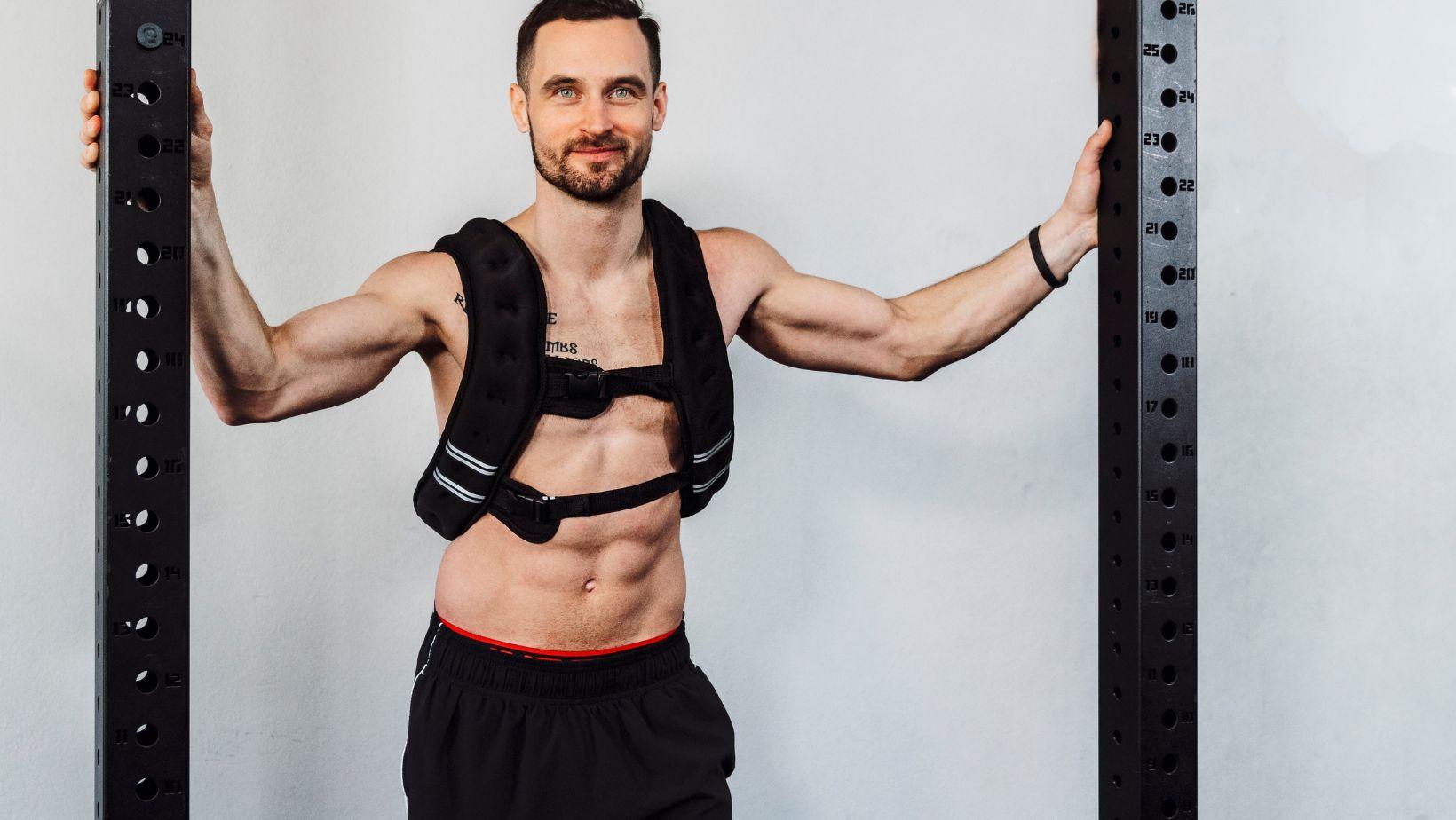
In recent years, weighted vests have surged in popularity as a simple, hands-free tool to amplify workouts like walking, hiking, and bodyweight training. But can strapping on extra pounds genuinely stimulate your skeleton to build thicker, more resilient bones?
Here is what the latest scientific evidence really says about weighted vests, bone mineral density, and the types of movement that move the needle.
What Is Bone Density?
Bone mineral density (BMD) measures the amount of calcium and other minerals packed into a segment of your bone. Think of it as the structural integrity of your internal scaffolding. When your BMD is high, your bones are dense, resilient, and structurally sound. When it drops, your bones become porous, brittle, and significantly more susceptible to fractures from simple, everyday slips or falls.
Who Is Most at Risk for Bone Loss?
Bone loss is a silent process; you cannot feel your bones thinning. While it affects everyone eventually, certain groups are at a much higher risk:
- Aging adults: Natural bone remodeling slows down as we get older.
- Postmenopausal women: The drop in estrogen during menopause removes a key protective hormone for bone health, leading to rapid bone loss.
- Sedentary individuals: Bones operate on a “use it or lose it” system. Without physical stress, the body absorbs bone tissue rather than building it.
- People with osteopenia or osteoporosis: Those already diagnosed with low bone mass need targeted, safe strategies to halt further degradation.
How Does a Weighted Vest Affect Your Bones?
To understand how a weighted vest works, we have to look at the basic biology of how bones grow.
Increased Mechanical Loading & Wolff’s Law
Bones are living tissue that constantly break down and rebuild. They respond to physical stress much like muscles do. This is governed by Wolff’s Law, a foundational principle in orthopedics stating that bone adapts to the loads under which it is placed.
When you slip on a weighted vest, you artificially increase your body weight. This places a greater mechanical load (downward gravitational force) through your axial skeleton (spine and hips) and lower limbs. Your bone-building cells, called osteoblasts, sense this increased stress and respond by laying down new bone mineral matrix to reinforce the structural walls.
Greater Muscle Forces on Bones
It isn’t just gravity doing the work. To move a heavier body, your muscles must contract with significantly more force. When a muscle contracts deeply, it pulls hard on the tendons attached to your bones. This localized pulling action acts as a secondary mechanical trigger, signaling the underlying bone to densify and strengthen.
Why the Type of Exercise Matters More Than the Vest
Here is the critical catch: simply carrying extra weight is not the same as impacting the bone.
Bones respond best to dynamic, high-intensity, or impact loads rather than slow, static, or continuous weight. While a weighted vest increases the overall baseline load, the type of movement you perform while wearing that vest is the true deciding factor in whether your body builds new bone or simply burns a few extra calories.
What Does the Research Say About Weighted Vests?
If you are looking for a definitive, clinical guarantee that a weighted vest will reverse osteoporosis on its own, the science offers a realities-based check. The current scientific consensus is nuanced: weighted vests are excellent training tools, but they are not standalone medical cures.
The Postmenopausal Jumping Study
One of the most frequently cited pieces of literature tracking weighted vests is a long-term study on postmenopausal women. Researchers had participants perform a regimen of high-impact jumping exercises while wearing weighted vests. Over time, the women in the exercise group showed notable improvements in hip bone mineral density.
However, this study comes with a major limitation: it is virtually impossible to isolate the vest from the jumping. Jumping itself is a high-impact activity known to stimulate bone growth. The vest certainly added to the force, but the explosive movement was the primary engine of change.
Studies During Weight Loss
When people lose weight, they frequently lose bone mass alongside fat and muscle. Several clinical trials have investigated whether wearing a weighted vest for bone density during daily activities can prevent this bone loss. The findings have been mixed and largely inconclusive, suggesting that merely wearing a vest during casual daily tasks doesn’t provide a sharp enough mechanical stimulus to reliably trigger bone remodeling.
The Scientific Consensus: Large-scale, rigorous clinical data specifically proving that weighted vests cure or independently treat osteoporosis remains limited. Vests should be viewed as an enhancement tool for progressive exercise, not a replacement for comprehensive medical care, resistance training, or targeted pharmaceutical treatments.
Does Walking with a Weighted Vest Improve Bone Density?
Walking is fantastic for your health, but if your primary goal is building dense bone, standard walking falls short.
Walking Alone Has Limited Bone-Building Effects
Because walking is a low-impact, repetitive motion, your skeleton quickly adapts to it. The impact forces generated when your foot hits the ground during a normal stroll are generally below the threshold required to signal osteoblasts to build new bone.
Does Adding a Vest Help?
Adding a weighted vest to your walks modestly increases the mechanical loading on your spine and hips. However, current sports science evidence suggests that for most people, the gentle incline of force provided by walking with a vest is still not abrupt or intense enough to cause major shifts in bone mineral density.
Why You Should Still Do It
Don’t throw away the vest just yet. While it might not single-handedly skyrocket your bone density score, walking with a weighted vest offers powerful secondary health metrics that indirectly protect your bones:
- Balance & Mobility: It forces your core and stabilizing muscles to work harder, improving your balance and drastically lowering your risk of falling (which is how fractures actually happen).
- Cardiovascular Health: It increases your heart rate more than regular walking, boosting aerobic fitness.
- Muscle Endurance: It strengthens your legs, hips, and lower back, creating a stronger muscular sleeve to protect your joints.
Best Exercises for Improving Bone Density
To get the most out of your skeleton, your exercise routine should prioritize movements that feature high-impact forces or heavy resistance training. Here are the modalities backed by the strongest evidence, ranked by loading style:
1. High-Impact Activities
These generate sharp, rapid spikes of force that shock your bones into growing stronger.
- Jumping or Plyometrics: Squat jumps, box jumps, or simple heel drops.
- Running/Jogging: Provides a higher ground reaction force than walking.
- Tennis or Pickleball: Multi-directional changes of direction combined with impact.
- Hiking on Uneven Terrain: Steep descents force your skeleton to absorb greater braking forces.
2. Progressive Resistance Training
Lifting heavy weights pulls aggressively on bone structures through muscular contraction.
- Squats & Lunges: Loads the hips, femurs, and lower spine.
- Deadlifts: Exceptional for reinforcing the lumbar spine and hip architecture.
- Overhead Presses: Translates axial load downward through the upper back and spine.
3. Functional Weight-Bearing Exercises (Where the Vest Shines)
These are ideal movements to pair directly with a well-fitted weighted vest:
- Stair Climbing: Amplifies lower body loading.
- Step-ups: Wearing a vest during step-ups vastly increases hip and knee extension forces.
- Bodyweight Circuits: Adding a vest to standard push-ups, planks, and air squats introduces a safe element of progressive overload without requiring a barbell.
When Can a Weighted Vest Be Beneficial?
A weighted vest is a highly effective tool when used deliberately to apply progressive overload—the practice of gradually increasing the demands placed on the body to continually stimulate adaptations.
Instead of jumping into unsafe, heavy weights, a vest allows you to incrementally scale up your resistance training and functional movements. It keeps your hands free, keeps the load distributed evenly around your center of gravity, and ensures your muscles and bones continue to face fresh, muscle-building challenges as your baseline fitness improves.
Who Can Use a Vest vs. Who Should Use Caution?
Who May Benefit Most?
- Healthy adults looking to gently scale up their current physical conditioning.
- Active older adults who have clear medical clearance and want to maximize their walking or hiking sessions.
- Individuals performing structured, supervised resistance workouts.
Who Should Use Extra Caution?
1.Check for Contraindications:Crucial first step.
If you have severe osteoporosis, a history of spinal compression fractures, severe joint disease (like advanced osteoarthritis of the knees or hips), or chronic balance issues, a weighted vest can compress the spine or cause a fall.
2.Consult a Medical Provider:Get expert eyes on your skeleton.
Schedule a brief talk with your primary care physician, rheumatologist, or a physical therapist. Ask explicitly if your spine can safely tolerate axial (top-down) compression.
3.Request a DEXA Review:Know your numbers.
Ensure your provider evaluates your latest bone density T-scores to determine if low-impact resistance training or a vest is appropriate for your specific bone structural integrity.
How Heavy Should a Weighted Vest Be?
When it comes to your skeleton, more weight is not automatically better. Excessive weight compromises your biomechanics, strains your lower back, and can damage your knees.
- Beginners: Start with roughly 5% of your total body weight (e.g., a 150 lb person should start with a 7.5 lb vest).
- Intermediate Users: Progress slowly to 5% to 10% of your body weight.
The Golden Rule: Prioritize perfect form and movement speed over a heavy load. A lighter vest moved with sharp, crisp mechanics will always yield better health benefits than a heavy vest that makes you slouch or limp.
Comparing Bone-Strengthening Activities
To see how different movements stack up against each other, consider this structural loading breakdown:
|
Activity |
Bone Loading |
Muscle Strength |
Cardiovascular Benefit |
Evidence for Bone Density |
|
Walking |
Low |
Moderate |
High |
Limited |
|
Walking + Weighted Vest |
Moderate |
Moderate |
High |
Limited |
|
Resistance Training |
High |
Excellent |
Moderate |
Strong |
|
Jump Training |
Very High |
Good |
Moderate |
Strong |
|
Running |
High |
Moderate |
Excellent |
Moderate to Strong |
Common Myths About Weighted Vests and Bone Health
- Myth 1: Wearing a vest alone builds strong bones.
Reality: Sitting on the couch or standing around in a weighted vest does nothing for your bones. The bone-building response requires active, dynamic movement. - Myth 2: Walking with a vest will reverse osteoporosis.
Reality: While it supports balance and endurance, current clinical data shows that walking with a vest is rarely enough on its own to completely reverse established bone density loss. - Myth 3: More weight always equals faster results.
Realism: Too much weight destroys your posture and elevates your risk of joint injury or spinal compression. - Myth 4: Vests can replace medical treatments.
Reality: A vest is an exercise accessory. It cannot replace prescription bone-building medications, proper dietary calcium, Vitamin D optimization, or doctor-led treatment plans.
Tips for Using a Weighted Vest Safely
If you are ready to introduce a vest into your wellness routine, keep these foundational safety habits in mind:
- Choose an adjustable vest: Buy a model that allows you to add or remove individual weight packets so you can scale up progressively.
- Focus on fit: The vest should fit snugly against your torso without shifting or sliding when you move. A loose vest can throw off your center of balance.
- Stand tall: Do not allow the weight to pull your shoulders forward or round your lower back. Maintain a neutral spine.
- Listen to your joints: If you develop localized pain in your lower back, hips, or knees, take the vest off immediately and reassess your loading parameters.
Frequently Asked Questions
Does a weighted vest increase bone density?
A weighted vest can assist in supporting bone density, but only if it is paired with dynamic weight-bearing exercises like jumping, step-ups, or strength training. The vest itself does not build bone; the exercise style does.
Is walking with a weighted vest good for osteoporosis?
It is excellent for building functional muscle endurance, improving core stabilization, and sharpening your balance—all of which decrease your risk of falling. However, it should be cleared by a doctor first, as top-down spinal loading can be risky for severe cases of osteoporosis.
What exercises build bone density the fastest?
High-impact movements (like jumping or running) and heavy, progressive structural resistance training (like deadlifts and squats) show the strongest, fastest track records in clinical research for building bone mass.
Can a weighted vest replace strength training?
No. A weighted vest adds subtle resistance to bodyweight or aerobic movements, but it cannot duplicate the deep mechanical muscular forces generated by progressive weight lifting with barbells, dumbbells, or resistance machines.
Final Thoughts
A weighted vest is a fantastic tool to have in your fitness arsenal. By increasing your overall mechanical load, it forces your muscles to contract harder and your stabilizers to fire with more precision.
However, the scientific consensus is clear: the vest is a force multiplier, not a magic fix. To truly build a stronger skeleton, pair your vest with progressive resistance exercises or safe, high-impact activities rather than relying on casual walking alone. Treat it as a helpful asset to an already active, well-rounded, and doctor-approved bone health strategy.









Discussion about this post