
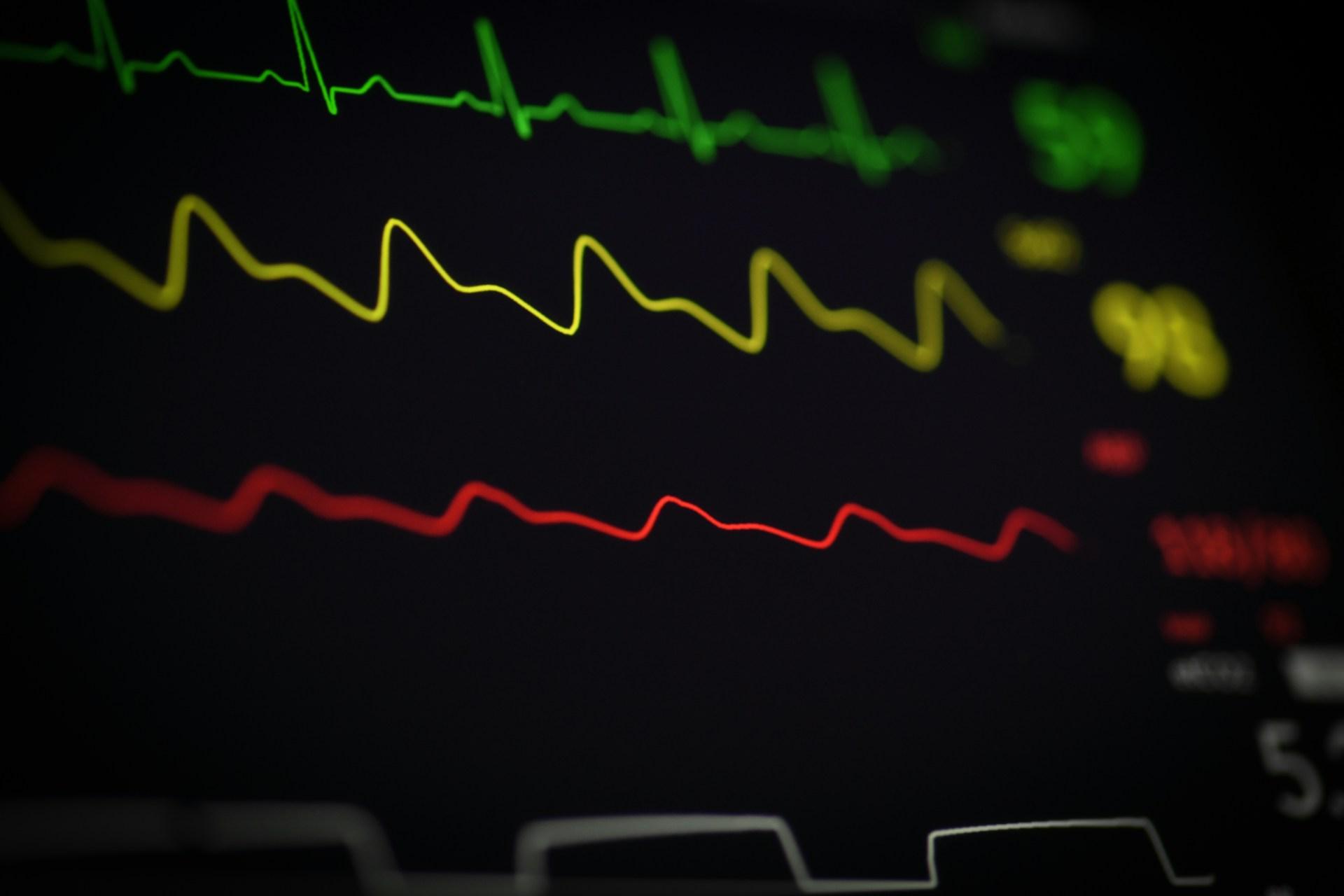
A healthy heart beats regularly with a steady rhythm. The beat isn’t too fast or too slow. But that rhythm can become irregular and cause stroke, cardiac arrest, or fatal heart failure because of poor diet, stress, hypertension, and diabetes. The European Society of Cardiology reports that cases of heart rhythm disorders, also known as arrhythmias, are surging. In fact, one in three people in the world are at risk of developing them in their lifetime. The problem with most arrhythmias, such as atrial fibrillation, is that they are silent killers. An individual can have arrhythmia and not tell because the heart rate feels normal rather than rapid or abnormal. This makes the disorder dangerous and necessitates the continuous development of treatment options to support early diagnosis and personalized patient care. Innovations, from AI-enabled heart monitoring tools that tell when to see a cardiologist to implantable devices that control the heart’s rhythm, are already transforming how people manage arrhythmia.
AI Monitors and Diagnoses Abnormal Rhythmic Pulsing
Today’s cardiologists are complementing traditional electrocardiograms (ECGs) with artificial intelligence to diagnose arrhythmias accurately. In the past, the detection of abnormal heart beats relied on clinical evaluations and tests. Considering this condition may have unnoticeable symptoms, a brief visit to a heart specialist may not offer accurate results. With irregular rhythms occurring sporadically, like once a week, long-term monitoring is required to capture the infrequency. AI’s ability to monitor events in real-time and analyze large volumes of data makes it a valuable tool in improving detection. For example, AI-powered wearables like smartwatches and chest implants monitor the rhythm of the heart nonstop. Then send alerts when an irregular heart beat is detected.
Another role of artificial intelligence in managing arrhythmias like atrial fibrillation is predicting treatment. Algorithms, like recurrent neural networks or RNNs and convolutional neural networks or CNNs learn a patient’s structural or imaging and functional data to offer predictions about suitable treatments based on the patient’s unique symptoms. Note: these algorithms evaluate and interpret numerous cardiac health data. So, they can identify inconspicuous patterns and abnormalities with the heart’s rhythm, enabling doctors to give precise and timely diagnoses.
Advanced Implantable Devices
When diagnosed with arrhythmia, whether it’s bradycardia, tachycardia, atrial flutter, or atrial fibrillation, it means there’s an issue with your heart’s electrical system. Your doctor will likely recommend implanting a device inside your chest or abdomen to correct heart beat irregularities. An ICD, which stands for implanted cardioverter-defibrillator, for instance, detects an irregular cardiac rhythm that could cause health complications or even death. It then sends electric shocks or defibrillations to the heart when it senses anomalies and the rhythm doesn’t self-correct to promote a normal heartbeat. ICDs are used for patients with ventricular tachycardia, a fast heartbeat that’s fatal. But it can also identify a slow beat and rectify the rhythm.
Conventional cardiac implant electronic devices, however, had a health disadvantage. With multiple leads required to pass down the vein from the implant, the veins and heart can be easily infected and scarred. Advanced implants have emerged, reducing these dangers. Subcutaneous implantable cardioverter-defibrillators, for instance, are implanted under the skin but outside the chest cavity. The extravascular placement ensures that no lead or wires pass through blood vessels or heart chambers. So, patients and doctors don’t have to worry about scarring and sepsis, a systemic blood infection. Pacemakers, which aid in regulating abnormal cardiac beats by stimulating them using electrical pulses, are now leadless. This means the latest pacemakers have no leads placed within veins, thus preventing infections.
Catheter Ablation Advancement
A cardiologist may perform catheter ablation to manage atrial fibrillation, ventricular tachycardia, and other arrhythmias. The process is minimally invasive because it’s done by creating tiny scars in the heart to block or stop faulty electrical impulses causing irregular heartbeats. In the past, ablation of cardiac arrhythmia involved time-consuming x-ray sessions and ablation energy or high direct current shocks that were delivered to damaged heart tissues via a catheter. However, the success rates recorded were low, and health risks like pulmonary stenosis were high.
Today, catheter ablation is safe, accurate, and efficient. Instead of relying on manual mapping, doctors use 3D imaging and navigation to visualize the heart’s electrical activity in real-time and with greater precision to locate the exact area of the abnormal tissue. At the same time, three-dimensional imaging integrates with CT and MRI technology to provide a precise heart model without exposing patients to x-ray related dangers, such as radiation-induced skin injuries and cancer risks. Another advancement is cryoballoon ablation, which relies on extreme cold to eliminate the affected tissue with fewer complications to veins and surrounding organs. Furthermore, heart specialists have replaced direct current shocks with enhanced energy sources like radiofrequency and cryoablation. The outcomes of this shift include safety, efficacy, and personalization of patients’ treatment.
Innovations in cardiology, such as AI-enabled wearables, advanced ICDs, and innovative catheter ablation, are improving the diagnosis and management of arrhythmias. Artificial intelligence helps identify subtle symptoms and predict medical interventions according to available patient data. Advanced cardiovascular implant devices restore the heart’s rhythmic pulsing to normal, while innovative catheter ablation uses 3D mapping, radiofrequency and cryoablation to promote safety, efficiency, and precision.












Discussion about this post