
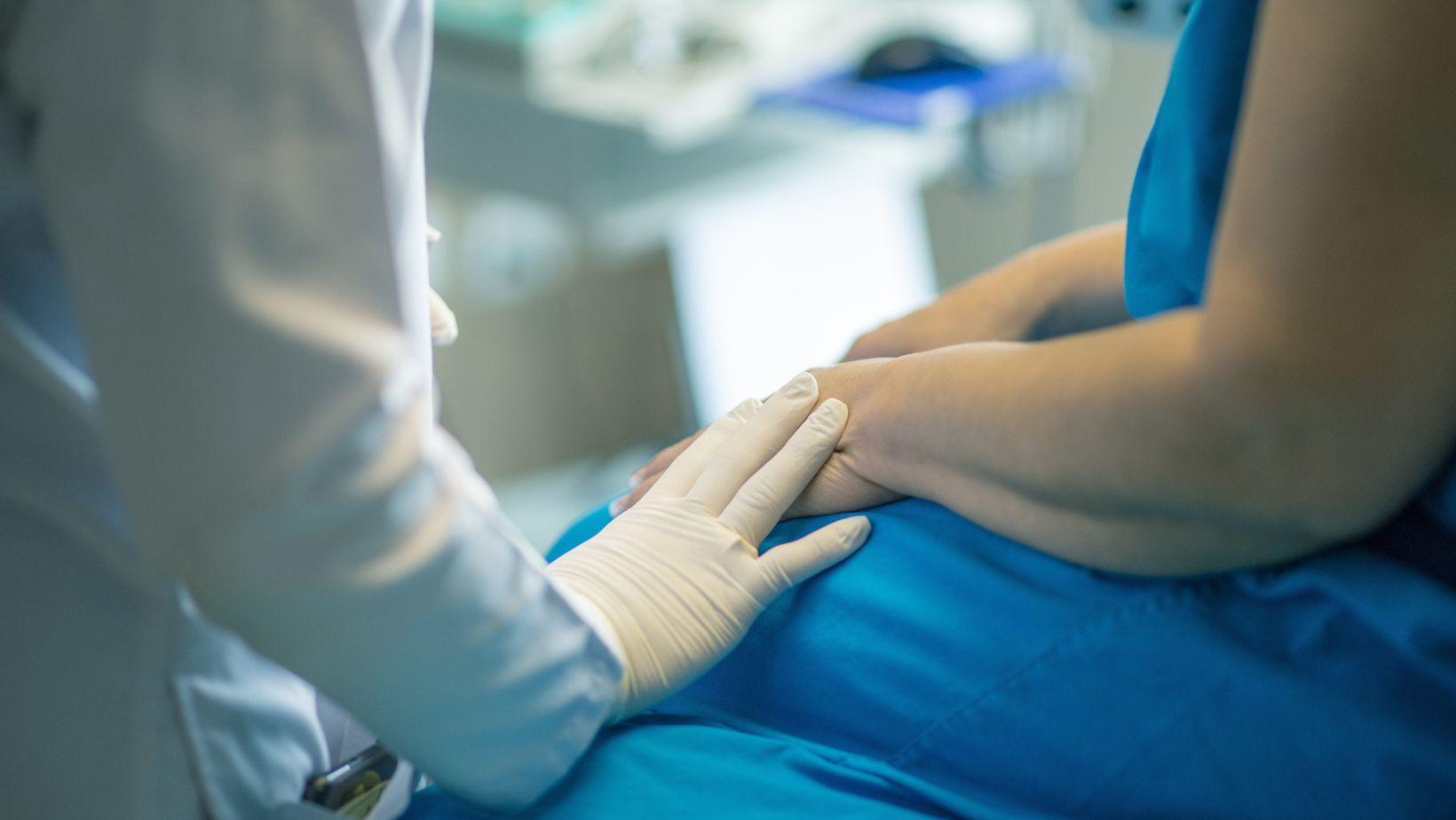
Are you putting off seeing a specialist about a women’s health issue?
You are not alone. Millions of women in the UK suffer with symptoms for years before being correctly diagnosed. The longer you leave it the worse it can become.
The good news?
Expert care can make all the difference. The right specialist can provide you answers, treatment and real relief faster than you realize.
Find out about the most frequent women’s health problems requiring specialised care. How does private healthcare differ from public? When do you need to make an appointment?
Let’s jump in!
In This Guide:
- Why Women’s Health Issues Get Overlooked
- The Common Conditions That Need Specialist Attention
- Private vs Public Healthcare: What Women Need to Know
- When To See a Specialist
Why Women’s Health Issues Get Overlooked
Women’s health concerns often get dismissed.
That is the unfortunate reality. Pain that would send men darting for A&E is often deemed “normal” for women. Symptoms are dismissed as stress, hormones or “hormones woman”.
Here’s the problem:
Endometriosis, fibroids and chronic pelvic pain are NOT normal. They are real diseases that require proper diagnosis and proper treatment. Too many women suffer needlessly.
The NHS recognise there’s an issue. Women’s health conditions cost the UK economy £11 billion annually. It’s not just distress and suffering… It’s financial.
This brings us to the public vs private healthcare debate. NHS gynaecology waiting lists are some of the longest across the board and women are starting to seek help from private specialists like Chrissie Yu more than ever before. When it comes to accessing consultant-led gynaecology care, the private vs public route can mean the difference between waiting months, if not years, versus being seen within days.
So what are the most common conditions that deserve specialist attention?
Let’s break them down.
The Common Conditions That Need Specialist Attention
These are the medical situations where expert care matters most. Recognize any? Advocate if so.
Endometriosis
Endometriosis affects roughly 1 in 10 women.
That’s a lot of people. However, here’s the crazy thing….The average time it takes to be diagnosed with endometriosis in the UK is now at 9 years 4 months.
Nearly a decade.
That’s years of pain. Missed work. Doctors telling you it’s “just bad periods”. The symptoms aren’t minor:
- Severe pelvic pain
- Very heavy periods
- Pain during intercourse
- Fertility issues
- Chronic fatigue
When/if any of this resonates with you, you need a gynaecologist. Someone who can order appropriate imaging, refer you for laparoscopy, and work with you on an actual treatment plan.
Fibroids
Fibroids are non-cancerous growths in the uterus.
They are very prevalent and can go unnoticed for years. Many women discover they have them when being treated for something else.
The symptoms include:
- Heavy or long periods
- Pelvic pressure or pain
- Frequent urination
- Trouble getting pregnant
Specialists can provide treatments unavailable from your GP such as precise hormonal treatment and non-surgical procedures like uterine artery embolisation.
PCOS (Polycystic Ovary Syndrome)
PCOS affects hormone levels and ovulation.
It can lead to irregular periods, weight gain, acne, excess hair growth and fertility problems. The condition also increases your risk of developing type 2 diabetes and heart disease in the long-term. Your GP can treat some of these symptoms… But you need to see a gynaecologist or endocrinologist for a treatment plan that tackles everything.
Menopause and Perimenopause
The menopause transition can start years before most women expect it.
Symptoms such as hot flushes, brain fog, mood swings and joint pain can totally disrupt your life. But many women are still advised to “get on with it”.
A specialist will:
- Run proper hormone tests
- Offer tailored HRT options
- Address sexual health concerns
- Manage long-term bone and heart health
This kind of care is hard to fit into a 10-minute GP appointment.
Pelvic Pain and Prolapse
Pelvic pain is one of the most under-treated complaints in women’s health.
It could be caused by endometriosis, fibroids, adenomyosis, prolapse or nerve damage. Each condition has a different treatment. Left to a generalist, they may keep offering you painkillers for years… instead of fixing the underlying problem.
Private vs Public Healthcare: What Women Need to Know
Here’s where things get tricky.
The NHS offers world-class care. If you’re lucky enough to get access to it. But that’s the problem at the moment. Access. There are over 580,000 women waiting to see a gynaecologist in England right now. And the list continues to grow.
That’s a long time to live in pain.
Which is why demand for private care among women has soared. Healthwatch figures have shown that UK usage of private healthcare has nearly doubled in two years.
Private vs public healthcare comes down to a few key things:
- Waiting times: Appointments are usually days for private treatment but months with the NHS
- Continuity: You see the same consultant every visit on the private route
- Appointment length: Private consultations typically last 30-45mins, NHS consultations 10-15mins
- Diagnostics: Private scans and tests are typically done within a week
Granted…The NHS is fantastic if you need emergency care, complicated surgery and/or ongoing maintenance for chronic conditions. But for many women, the wisest option is a combination of the two. Seek private care to get quick diagnostics and consults, then move forward with the best course of treatment for your particular circumstance.
When To See a Specialist
So when should you stop waiting?
Here are the signs it’s time to book a specialist appointment:
- Symptoms have been dismissed by a GP more than once
- Pain is affecting your work, sleep or relationships
- You’ve been on a waiting list for months with no movement
- You need answers faster than the NHS can provide right now
- The condition is getting worse, not better
You don’t have to live in pain or discomfort. Booking an appointment with a specialist may be what puts you on the path to an actual plan.
Final Thoughts
Women’s health concerns deserve real attention, real time and real expertise.
Too many women are told their symptoms are “normal” when they’re not. Too many wait years on lists when quicker paths are available. And too many don’t receive treatments that could change their day-to-day lives.
Deciding between private vs public healthcare is subjective. However, being informed about your options is step number one.
To quickly recap:
- Endometriosis, fibroids and PCOS need specialist input
- NHS diagnosis delays can stretch into years
- Private care offers faster access and longer appointments
- A mix of NHS and private care often works best
Listen to your instincts. If something doesn’t feel right, it probably isn’t. Go see someone who cares enough to listen!










Discussion about this post