
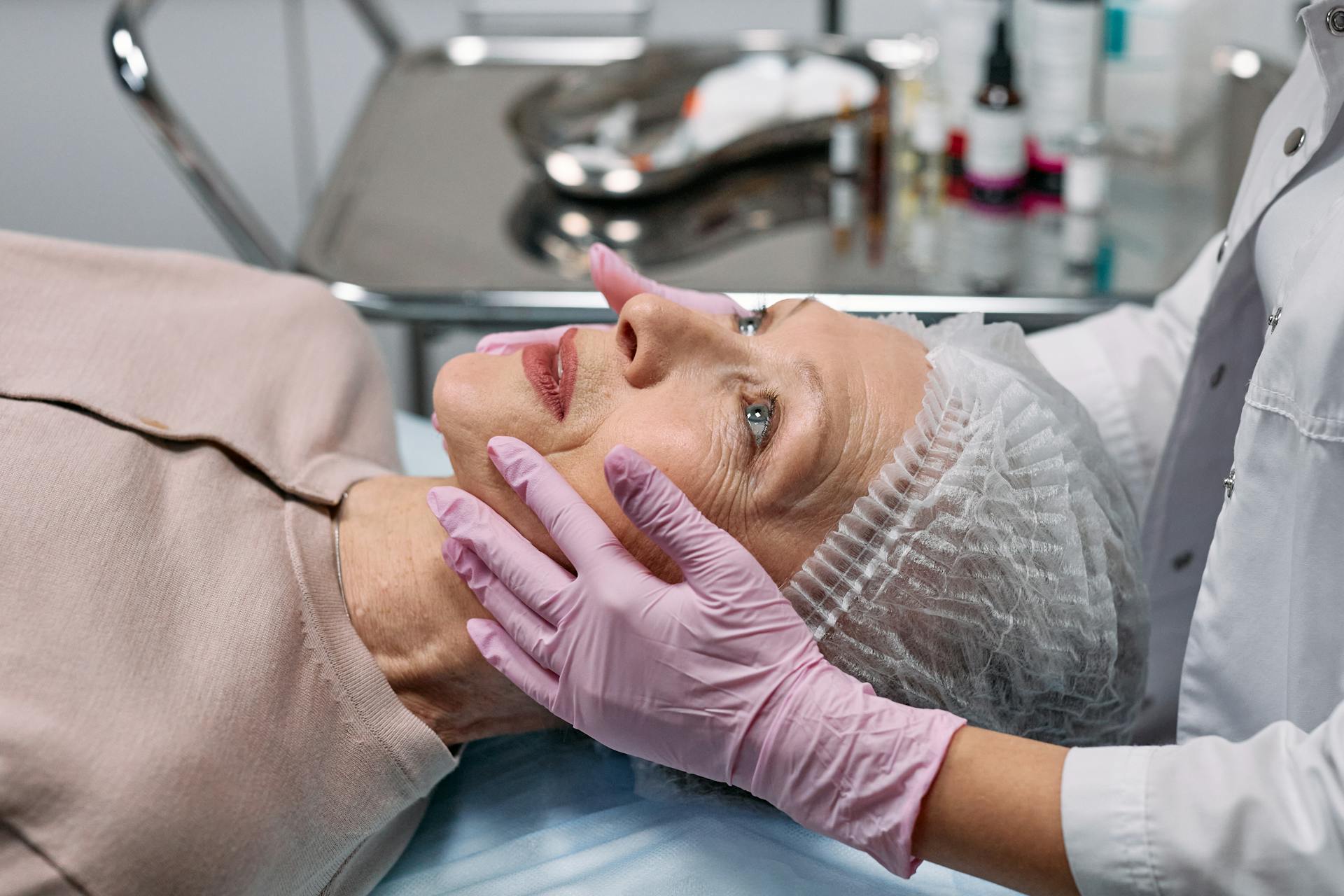
Undergoing a deep plane facelift is a one-morning commitment in the operating room, yet the real story plays out slowly; first in the bathroom mirror, later in phone selfies, and finally in random shop-window reflections that no longer catch you off-guard. The outline below follows an average recovery in Canadian winter-spring language: kilometres, pillows, bruise colours that match Rocky Mountain sunsets, and no sales pitch hiding between paragraphs. It runs close to a thousand words, so grab a tea and settle in.
Days 1 and 2 – The Cocoon
Surgery ends. A head-wrap and gentle pressure take its place. The face feels as if it borrowed a goalie mask one size too small: snug but not unbearable. What helps most is elevation: two firm pillows or a recliner tilted thirty degrees. Gravity becomes the cheapest anti-inflammatory in the game. Swelling rises steadily but usually stops short of alarming. Pain? More of a heavy throb than a stab, and plain acetaminophen often handles it by the second night. Skip salt, hot baths, and heroic dog-walking. A few slow laps between couch and kitchen keep circulation moving and boredom in check.
Days 3 to 7 – Colour Week
Morning of day three: swelling peaks and bruises bloom like tie-dye; violet, then sage, then a murky yellow. They look worse than they feel. Shampoo time calls for creativity: a jug at the sink beats the blast of a showerhead. A humidifier beside the bed keeps crusting down inside the nose and throat. Short upright naps help because lying flat invites a “moon-face” greeting in the mirror. Stitches tug a little and itch a lot; press lightly on the spot with a cool cloth rather than scratching. Five minutes of gentle hallway strolling every hour is enough exercise; laundry baskets can wait.
Week 2 – Back to Half-Speed
External sutures usually bid farewell around day nine. Once they’re gone, skin along the ears loosens and turning the head feels less robotic. Concealer hides lingering bruise ghosts, so brief grocery runs or low-stakes Zoom meetings become realistic. Smiles still feel stiff from the inside, though colleagues rarely notice on camera. Light tasks like watering houseplants and drafting emails fill the day, but lifting anything heavier than a cat is still out. For outdoor moments, feather-weight sunglasses shield healing skin; heavy frames dig and ache by supper.
Week 3 – Energy Sneaks Back
Something shifts right after the second weekend: energy sneaks in like spring thaw. Swelling lingers under the chin and along cheekbones, but mornings no longer start with a puffy shock. A treadmill walk at conversation pace or a stationary bike on its easiest setting scratches the exercise itch without rattling stitches. Drivers reclaim keys once shoulder checks feel smooth and no prescription pain pills cloud reflexes. SPF 50 goes on instinctively, because even thin March sunshine reflects off lingering snow.
Week 4 – First Glimpse of Normal
Mid-face puffiness drops another notch. Side-sleeping finally feels safe, though a soft pillow beneath the cheek stays wise. Low-impact strength, like air squats, resistance bands, joins the routine. A ridged line in front of the ear, courtesy of deep sutures, flattens a hair each day. Patio season may tempt; if so, choose soft evening light and stash a scarf in the jacket pocket as backup. Skipping the second coffee on salty take-out days helps keep night-time swelling down.
Weeks 5 and 6 – Green-Light Stage
Turning the head? No tug. Laughing at a sitcom? Totally fine. Flat-surface jogging, gentle lap swimming, and mindful Pilates usually get clearance around week six. But high-intensity intervals and heavy kettlebells need a later date. Scar care now pivots to fade mode: silicone gel morning and night, hats with decent brims, and diligence with sunscreen, even on cloudy days. A chewy bagel no longer reminds anyone of surgery. Evening selfies often look share-worthy, filter-free.
Weeks 7 and 8 – Refinement Mode
Remaining swelling hides in small pockets; maybe under one cheekbone at dawn, maybe beside the nostril after ramen. Full yoga flows, including easy inversions, feel comfortable; rising slowly from headstands avoids a sudden blood rush. A salon visit finally makes sense. Pack a travel pillow for the shampoo sink and explain the ear incisions so the stylist treats them kindly. Tiny zings near the earlobe mark nerves reconnecting; strange but reassuring.
Month 3 – The Quiet Plateau
Roughly seventy per cent of swelling is gone. Friends mention “rested” or “lighter” rather than probing for secrets. Deep tissue under the earlobe can still feel firm during an exaggerated grin; gentle fingertip massage helps. Heavier weights or hill sprints sneak back, provided an ice pack stands by for any after-workout puff. Monthly selfies in identical bathroom lighting confirm progress better than daily mirror critiques.
Months 4 to 6 – Settling In
Numb spots shrink; cold air nips cheeks evenly again. A passport photo at month six often looks like pre-surgery, but after eight hours of sleep and a good vacation. Cross-country flights feel normal; water sips and aisle strolls ward off cabin bloat. Rec-league hockey and martial-arts drills return, though helmets, mouthguards, and basic caution stay wise; facial bones don’t judge stray elbows kindly.
Curious about nose work? Many of these habits, hydration, sun vigilance, cautious exercise, in fact, echo sound after-care for too.
Beyond Six Months – Lifestyle Takes Over
Surgery steps back; day-to-day habits step forward. Sunscreen, steady weight, true sleep, and a diet rich in protein and colourful produce do more than fancy lotions. Annual skin checks and a mild laser touch-up every now and then keep texture even. Winter wind on a ski hill might still redden scars briefly; balaclavas earn their place in the gear bag.
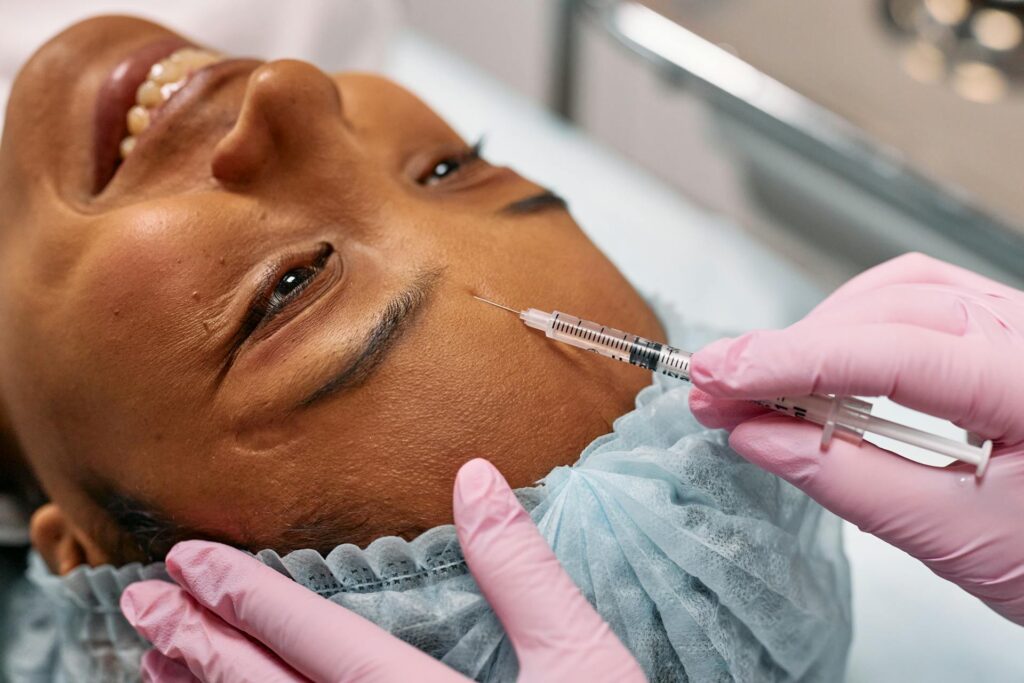
Five Reminders
- Drink half a litre of water before breakfast; dawn puffiness retreats faster.
- Cook at home more than you order in; secret restaurant salt bloats.
- Add movement in five-minute blocks; bodies hate sudden fitness leaps.
- UVA is sneaky; cloud, snow, and window glass still deliver it.
- Check progress weekly, not hourly; healing, like sourdough, dislikes constant poking.
Handling Detours
Recovery rarely behaves. An extra-salty pho, a late binge-watch, or a surprise cold snap can puff cheeks overnight. Most flare-ups fade within a day. Circle calendar checkpoints at two, four, and six months for photo comparisons; long-view tracking beats obsessive zoom-ins.
Final Note
A deep plane lift re-hangs the internal frame first and lets skin relax over it; more like straightening a picture than stretching a canvas. Recovery follows the same logic: control the setting, give biology room, and the face finds its balance again. By six months, most mirrors reflect a familiar friend who simply looks well-rested and that’s usually the exact target.










Discussion about this post