

Weighted vests are sometimes used as part of sensory support strategies for autistic individuals, especially children and teens. While they are not a treatment for autism itself, they may help some people feel calmer, more organized, and more aware of their body in space. Their effects vary widely from person to person, and they should always be used thoughtfully.
What is a weighted vest?
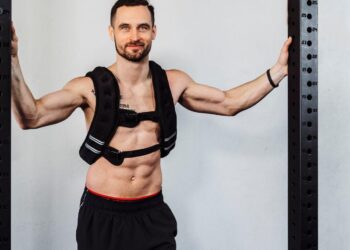
A weighted vest is a wearable garment with evenly distributed weights sewn into pockets or panels. The added weight provides deep pressure input to the body, similar to a firm hug or gentle compression.
For some autistic individuals, this type of sensory input can be helpful because it engages the proprioceptive system—the sense that tells the brain where the body is in space.
Why sensory input matters in autism
Many autistic people experience sensory processing differences. This means sounds, textures, movement, or touch can feel either overwhelming or under-stimulating.
Deep pressure input from tools like weighted vests for autism is thought to help some people feel more grounded. It may support regulation during stressful or overstimulating environments like classrooms, shopping centers, or therapy sessions.
Potential Benefits of Weighted Vests for Autism
1. May promote calmness and emotional regulation
Some users report feeling calmer when wearing a weighted vest. The steady pressure can provide a sense of security, which may help reduce restlessness or anxiety in certain situations.
However, this effect is not guaranteed and can vary depending on the individual’s sensory preferences.
2. May improve body awareness
Weighted vests can increase proprioceptive feedback, helping the wearer feel more aware of their movements and posture. This can be especially helpful for individuals who seek sensory input through movement or touch.
3. May support focus in structured settings
In classroom or therapy environments, some children may find it easier to concentrate when they feel physically grounded. The vest may help reduce fidgeting or sensory-seeking behaviors in some cases, though it is not a universal solution.
Limitations and Considerations
Not effective for everyone
Weighted vests do not work the same way for all autistic individuals. Some may find them comforting, while others may feel restricted, uncomfortable, or overstimulated.
Sensory preferences are highly individual, so what works for one person may not work for another.
Should be used with professional guidance
It is important to consult an occupational therapist before using a weighted vest regularly. Incorrect weight, prolonged use, or unsupervised use may lead to discomfort or fatigue.
A common guideline is that the vest should be no more than 5–10% of body weight, but this should always be personalized by a professional.
Not a treatment for autism
Weighted vests do not treat or change autism. They are simply a sensory support tool that may help with regulation in certain situations.
How to Use a Weighted Vest Safely
Start with short sessions
Begin with short periods of use, such as 10–15 minutes, and observe how the individual responds. Gradually adjust based on comfort and effectiveness.
Use during specific activities
Weighted vests are often most helpful during structured tasks like:
They are not typically recommended for sleep unless specifically advised by a professional.
Monitor comfort and behavior
Watch for signs of discomfort such as increased agitation, attempts to remove the vest, or changes in breathing or posture. If any negative reactions occur, discontinue use and reassess.
Final Thoughts
Weighted vests may offer sensory support for some autistic individuals by providing calming deep pressure and improving body awareness. However, they are not a universal solution and should be treated as one possible tool within a broader sensory or therapeutic plan.
The most effective approach is always individualized—based on comfort, observation, and guidance from qualified professionals.











Discussion about this post