
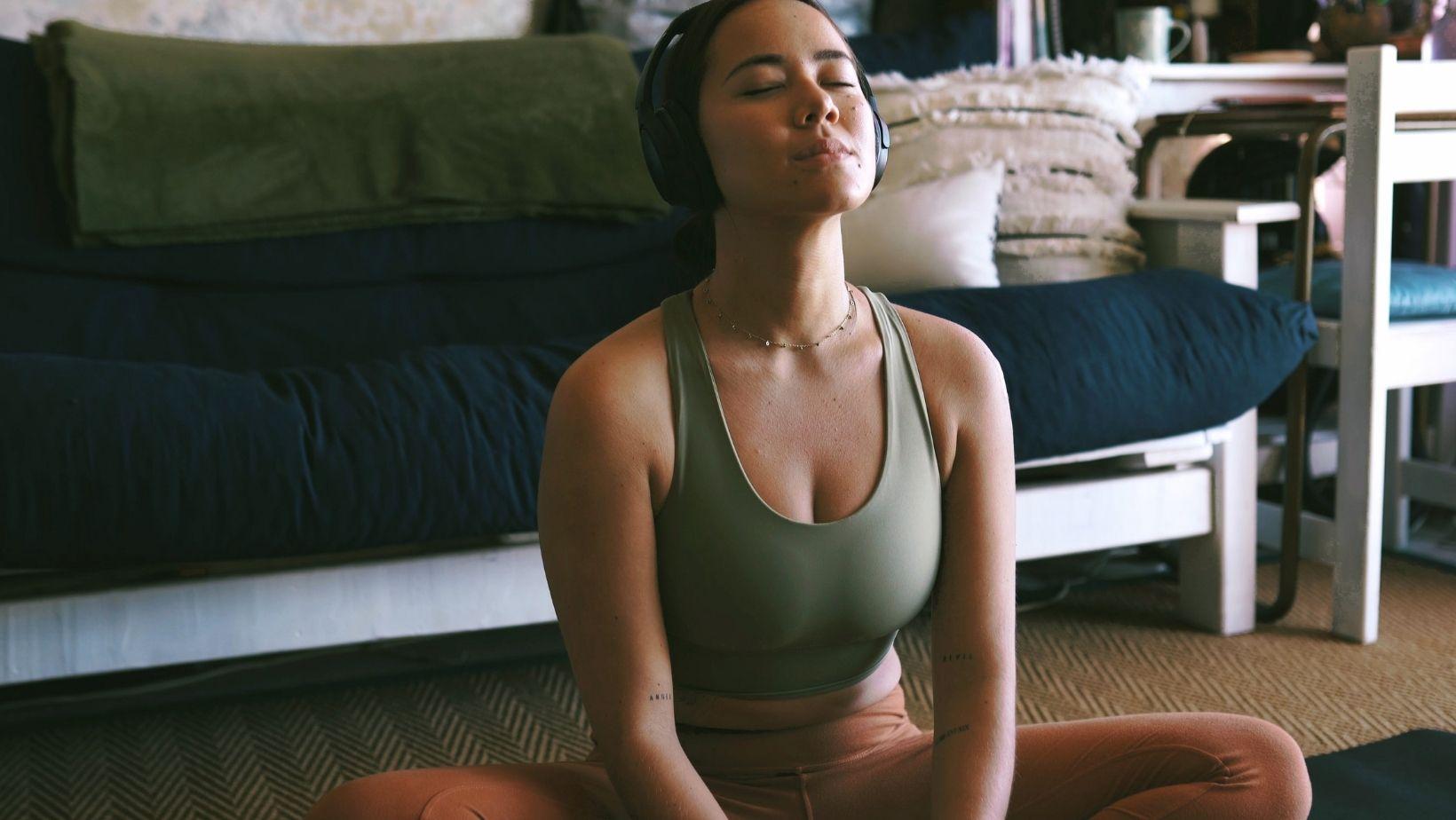
Wellness is typically associated with nutrition, exercise, mental health or preventive medical care. However, there is much more to wellness than the common perception of diet and exercise; an often overlooked aspect of wellness is moving comfortably within our own bodies without constantly feeling discomfort or fatigue. Physical comfort and mobility touch almost every part of everyday living from productivity to socialisation to emotional well-being, perception and confidence.
People often acclimatise to symptoms even such as heavy legs, swelling, tiredness, aching joints, muscle tension or less flexibility without realising how these problems infiltrate our wellness. As these discomforts typically evolve over time, they are regarded as natural happenings of aging, stress or a hectic routine. Yet, chronic physical pain can impact not only the body but also emotional resilience, cognitive function, and overall quality of life.
The late modern healthcare has laid to rest the idea that wellness is simply a lack of illness. Real wellness encompasses a number of physical comforts, freedom to move easily and participate fully in day-to-day life without restrictions due to chronic pain or decreased movement ability.
Why Physical Comfort is More Important than People Think
Physical Comfort is something we rely on every day that affects How people think, feel, and function. People will be more active, engaged socially and emotionally when the body feels healthy and safe. However, chronic pain can slowly induce physical stress that affects a person’s mood, motivation, concentration and emotional well-being in general.
A lot of people don’t realize how much physical discomfort is taking a toll on mental energy. Having to always adjust to new ways of moving around because of ongoing pain, swelling, or lack of mobility can take a toll over time. Even if the discomfort is mild but recurrent every single day can disturb sleep quality, productivity and emotional resilience.
Comfort also influences confidence. People who have been in pain for a long time or struggle with issues such as bad circulation and are unable to move around well may feel put off from doing physical activity, social events or exercise courses they once did. This can cause diminishing physical fitness, loneliness, and way of life self-confidence above the long-term.
So physical comfort is not indeed a luxury. It is the basis for enduring health that is in support of physical and mental wellbeing.
Some people also incorporate a CBD rub for muscle comfort into their wellness routine alongside stretching, movement, and other recovery practices.
Mobility and independence
Mobility and quality of life are intertwined; in order to remain active, independent and engaged with their surroundings. Healthy muscles, joints, circulation and physical endurance is what enables you to walk comfortably, exercise effectively, travel widely and even perform day-to-day tasks.
The mobility: When you can no longer move and do several things, daily life routines become heavy from physical respect too. When patients have pain, fatigue, or swelling in their legs, they may start to avoid movements that can lead to decreased bodily function and worsening symptoms over time.
Diminished mobility may also have a number of adverse effects in our emotional well-being. Physical barriers prevent many individuals from practicing favourite hobbies, fulfilling work responsibilities or engaging in social interaction so these people are often frustrated or disheartened. Staying mobile, therefore, is essential for not just maintaining a degree of physical independence but also an aspect in keeping one energetic and feeling good about life.
Why does healthy circulation make a big difference in mobility? Leg heavy, cramping, swelling and fatigue are all conditions that occur more frequently as blood flow is reduced. Long-term untreated vascular problems can reduce tolerance to physical activity and lead to discomfort.
How Circulation Impacts Everyday Wellness
The circulatory system carries out the functions of delivering oxygen and nutrients to cells in the body as well as removing waste products from tissues. Blood flow is important for muscle function, energy production, recovery and tissue repair. The symptoms gradually begin to develop in the legs and lower extremities if circulation becomes compromised.
Feeling of aching, swelling, throbbing or heaviness that gets worse after standing or sitting for long periods of time due to conditions like varicose veins and chronic venous insufficiency. These symptoms are sometimes treated as only cosmetic issues in the early stages when they could impact comfort and mobility significantly over time.
Fatigue and less physical endurance could be due to inadequate oxygen support of muscles resulting from poor circulation. People suffering from chronic vascular pain frequently complain of reduced energy, which makes it more difficult to maintain an active lifestyle.
Patients have traditionally seen a need for vascular treatment stand by until things became severe; people can see modern supply care get into a position sooner and greater efficiency. People who are looking to treat leg pain that is chronic or has related vein symptoms may visit a Vein Clinic in Frisco and consider less invasive treatment solutions aimed at improved circulation and recovery of physical well-being.
The Emotional Aspect of Physical Wellness and Confidence
There is a deep connection between physical wellness and emotional confidence. It is common knowledge that, when physical health and comfort levels are good, we tend to feel more confident in social situations, at work, even in intimate relationships.
Chronic pain or external vascular conditions may influence body image and self-esteem when symptoms inhibit the wearing of specific clothing styles, the volume of physical activity performed by a patient, or socialization. People who have pain or fatigue may also be emotionally exhausted from having to expend mental energy all day in the process of coping with their symptoms.
And making ourselves more physically comfortable very frequently translates into benefits for how we feel as well. Improved circulation, pain reduction, and enhanced mobility can provide the confidence needed to return to previous levels of activity and socialization.
Physical function is a strong predictor of mental wellness. Being able to move freely, sleep soundly and remain independent all make for a much improved sense of control, stability and emotional well-being.
Over time, healthcare providers come to realize that they should assist patients with managing both the physical and emotional effects of chronic discomfort, rather than just treating symptoms in isolation.
Building Wellness Through Preventive Care
Preventive healthcare and daily practices for wellness are among the best methods to stay comfortable and mobile. Most physical conditions are better managed if diagnosed earlier, before symptoms worsen.
Movement is critical and necessary to staying circulated, mobile through joints, and having muscular strength. Exercise also increases blood circulation and contributes to mobility for life in the form of walking, stretching, swimming, or low impact workouts.
In terms of physical wellness, healthy nutrition also reduces inflammation and enhances vascular health. Adequate water intake and a mixed diet in terms of macronutrients and calories can contribute to more vigorous blood circulation and increased energy.
Listening to your body is as important. Constant swelling, tiredness, the feeling of heaviness or discomfort should not be just considered normal. Getting an assessment sooner rather than later may reduce the difficulties with getting worse symptoms and much greater impacts on well-being.
Thanks to modern minimally invasive treatments, however, many conditions that require the surgical management of vascular and mobility-related issues can now be treated with shorter recovery times, and far less disturbance to day-to-day life than was previously possible.
Conclusion
The three Cs of overall wellness are comfort, confidence and mobility, all key but often neglected elements. To begin with, the increasing physical discomfort and circulatory problems can slowly touch directly on mobility, energy but also happiness, independence but also confidence.
Health of circulation, movement and preventative health all contribute to physical comfort in the short term and quality of life over time. Understanding how physical function and emotional wellness are interrelated can encourage people to adopt a more preventive attitude toward body and mind care.
Today, healthcare has been continually stressing on how the ideal way of attaining holistic wellness is by ensuring mobility, recovery, confidence and comfort together. Needing to focus on physical wellness is so much bigger than mitigating pain, however. It is keeping people active, independent, and fully engaged in day to day activities.








Discussion about this post