
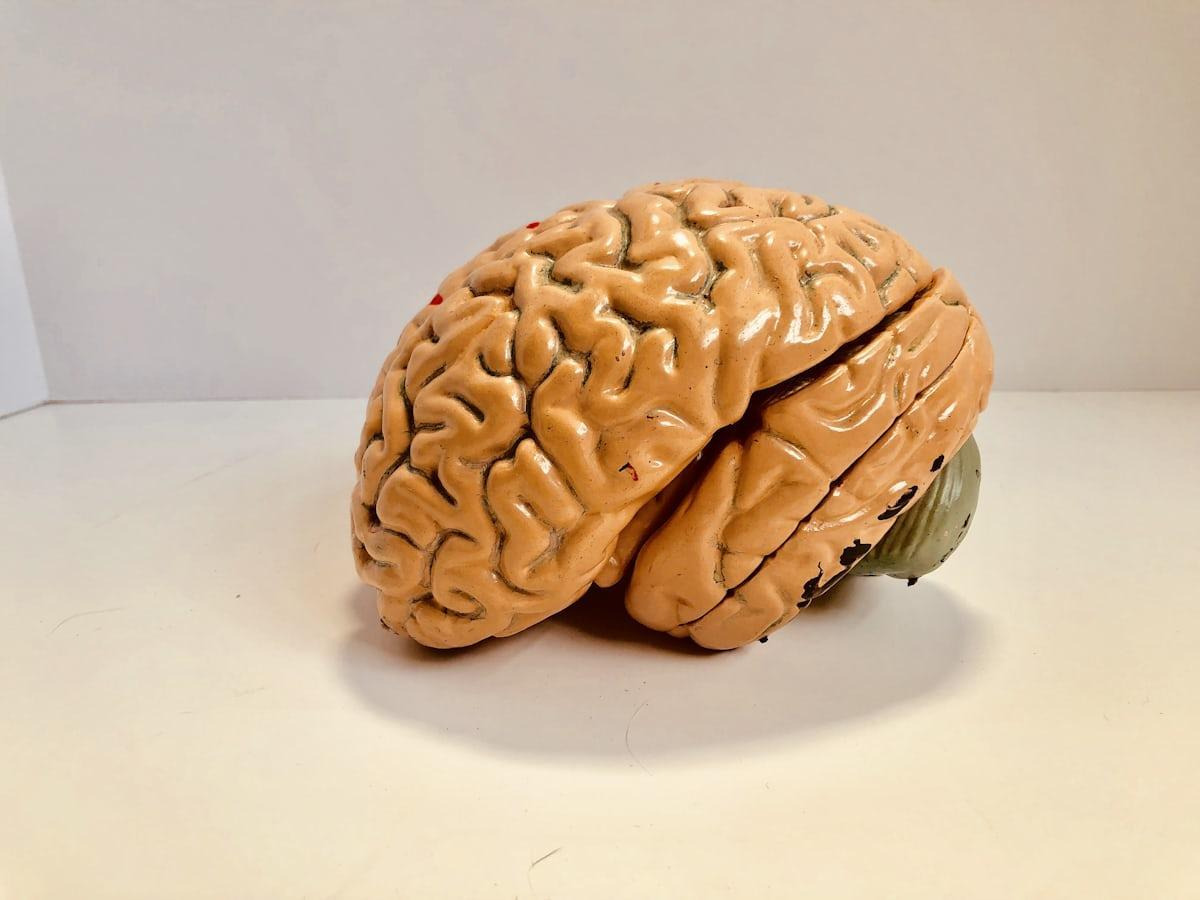
Neuro-therapeutics has moved from a niche corner of medicine into a fast-moving frontier that touches primary care, psychiatry, neurology, rehabilitation, and even pediatrics.
What once felt speculative (targeting specific brain circuits to relieve symptoms or restore function) is now part of everyday clinical conversation.
For patients living with ADHD, depression, traumatic brain injury (TBI), or neurodegenerative disease, this shift signals something important: treatment is becoming more precise, more personalized, and more hopeful.
At the same time, the complexity of these innovations raises a critical question. How do we safely translate cutting-edge neuroscience into real-world hospital protocols and patient care? The answer lies with advanced doctoral-level clinical leadership.
From Broad Treatments to Personalized Neuro-Therapeutics
For decades, neuropsychiatric care relied heavily on trial-and-error pharmacology. A medication might work well for one patient and fail entirely for another, with limited insight into why.
Today, advances in neuroimaging, electrophysiology, and computational neuroscience are reshaping that model. The focus is shifting toward personalized neuro-therapeutics; interventions designed to modulate specific neural circuits associated with symptoms.
Repetitive Transcranial Magnetic Stimulation (rTMS)
By delivering targeted magnetic pulses to defined cortical regions, rTMS can influence neural activity without surgery or systemic medication.
It is now an established option for treatment-resistant depression and is being actively studied for other conditions, including ADHD, where attentional control networks may be selectively modulated. While not a universal solution, rTMS reflects a broader trend: treating the brain as a networked, interconnected system.
Deep Brain Stimulation (DBS)
Deep Brain Stimulation (DBS) represents a more invasive but powerful extension of this idea. Already well-established in movement disorders like Parkinson’s disease, DBS is being investigated for severe, treatment-resistant depression and other neuropsychiatric conditions.
By implanting electrodes that deliver controlled electrical impulses to precise subcortical targets, clinicians can modulate dysfunctional circuits in ways medications alone cannot. These approaches demand rigorous patient selection, ethical oversight, and long-term monitoring; elements that underscore the need for highly trained clinical leadership.
Neuro-Restoration and Functional Recovery
The conversation in neuro-therapeutics is expanding beyond symptom control toward neuro-restoration. Researchers are exploring how damaged neural tissue might be repaired or functionally compensated, particularly after TBI and in early neurodegenerative disease.
Stem Cell-Based Therapies
Stem cell-based therapies are a prominent area of investigation. Rather than promising instant cures, current research focuses on whether transplanted or stimulated cells can support neural repair, reduce inflammation, or enhance plasticity in injured brain regions.
For patients with TBI, even modest improvements in cognition, motor control, or emotional regulation could translate into meaningful gains in independence and quality of life. These therapies remain largely experimental, but their progress is shaping how clinicians think about long-term recovery rather than static disability.
Digital Innovation Redefining Rehabilitation.
Virtual reality (VR) based cognitive retraining programs are being designed to harness the brain’s natural capacity for plasticity. By immersing patients in adaptive, goal-oriented environments, these tools aim to improve attention, memory, executive function, and motor coordination.
Unlike traditional therapy, VR platforms can provide real-time feedback, data tracking, and personalized difficulty scaling, features that align closely with the personalized care model.
Integrating Technology and Human Support
It’s important to note that these technologies do not replace clinicians. They expand the therapeutic toolbox, requiring skilled professionals to interpret data, adjust protocols, and integrate digital interventions with pharmacological and behavioral care plans.
Why Doctoral Leadership Matters

As neuro-therapeutics become more complex, the gap between laboratory discovery and safe clinical application can widen. This is where advanced clinical oversight, particularly from Doctor of Nursing Practice (DNP) prepared leaders, becomes essential.
DNP-trained clinicians are uniquely positioned at the intersection of science, systems, and patient care. Their education emphasizes evidence translation, quality improvement, ethics, and interprofessional leadership. In the context of neuro-therapeutics, this means evaluating emerging research, developing institution-specific protocols, and ensuring that interventions are implemented safely and equitably.
Online DNP programs have further expanded access to this level of training, allowing experienced clinicians to advance their expertise without stepping away from practice. Graduates are prepared to lead initiatives such as implementing rTMS services, overseeing clinical trials integration, or developing VR-based rehabilitation pathways. They are also trained to ask the hard questions: Which patients truly benefit? What are the risks? How do we measure outcomes beyond symptom checklists?
In hospital settings, DNP leaders often serve as the bridge between physicians, nurses, therapists, administrators, and technology partners. When introducing bioelectronic or advanced pharmacological therapies, that coordination is foundational to patient safety.
Neuro-Therapeutics: Innovation with Accountability
The era of neuro-therapeutics is not about flashy devices or futuristic promises. It is about aligning deep scientific insight with compassionate, evidence-based care. Personalized brain stimulation, regenerative research, and immersive rehabilitation technologies all hold real potential, but only when guided by rigorous clinical judgment.
As the field evolves, doctoral-level leadership will play a defining role in shaping how these innovations reach patients. By grounding technological progress in ethics, outcomes research, and system-wide accountability, DNP-prepared clinicians help ensure that neuro-therapeutics fulfills its promise: not just to treat disease, but to restore function, dignity, and hope.
In that sense, the future of brain health is not only about neurons and circuits. It is about leadership, at the bedside, in the boardroom, and across the healthcare system. It is capable of turning scientific possibility into safe, meaningful care for the people who need it most.










Discussion about this post