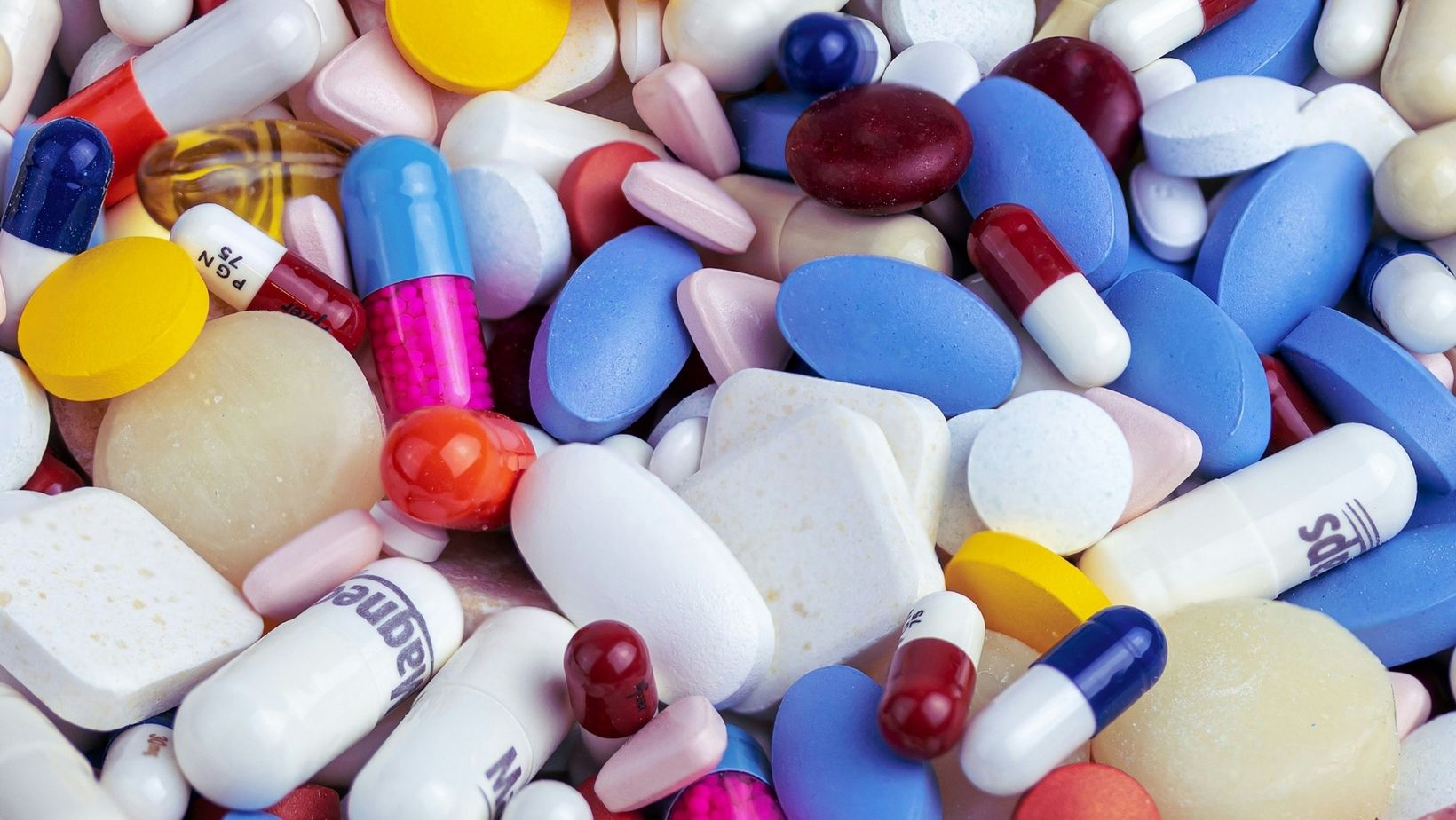
The way society views drug use has changed a lot in recent years. For a long time, many people thought that it was just a bad choice or a moral failure. Science now shows that substance use disorder is a chronic brain disease.
Substances change the brain, creating deep-rooted patterns of craving, reward-seeking, and dependence.
This shift in understanding has sparked real progress in treatment. In 2025, the substance use treatment market found its footing at $11.75 billion, but the ceiling is moving. It’s expected to surge toward $16.07 billion by 2031.
Today, we’re standing on the edge of a new frontier. Novel therapeutics are targeting the root of the problem at a brain level. Below, we’ll share some novel therapeutics that help address the root of dependence.
The Importance of Diagnostic Screening
In the medical world, diagnosis is the precursor to cure. Today’s substance tests are high-tech filters. While people often think they are just about punishing others, they actually provide vital information for keeping the community healthy.
To mitigate the effects of clinical bias, proven, standardized tools are recommended. The Tobacco, Alcohol, Prescription medication, and other Substance use (TAPS) tool is an example of this. It works in two ways. First, there is a quick check, which is then followed by a deeper look into a person’s specific health risks.
In professional settings, however, a 4-panel drug test is used. The 4-panel drug test for employment screens for marijuana, cocaine, amphetamines (stimulant drugs), and opiates.
Several different formats for the 4-panel drug test exist. According to DrugTestsInBulk.com, dip card and strip tests, urine drug test cups, and oral fluid drug tests are the most common ones.
These tests provide employers with a snapshot that helps them maintain a productive environment while encouraging individuals to seek help if a result comes back positive.
Effective screening helps:
- Establish a Baseline: Knowing exactly what substances are present allows doctors to predict withdrawal risks.
- Identify Co-occurring Disorders: Often, substance use is a way of self-medicating for underlying anxiety or depression.
- Create Tailored Treatment: A person struggling with opioids needs a very different neurological intervention than someone struggling with stimulants.
How Novel Therapeutics Address the Root of Dependence
Here, we’ll break down how novel therapeutics help address the root of dependence:
1. Enhanced Neuroplasticity Helps Rewire the Brain
Substance use hijacks the brain’s reward system. It strengthens neural pathways that link substances to pleasure while weakening those tied to natural rewards like relationships or hobbies. Over time, this creates rigid habits that are hard to break.
The brain’s neuroplasticity, which is its ability to form new connections and reorganize, offers hope. Novel therapies boost this process to rewire those circuits.
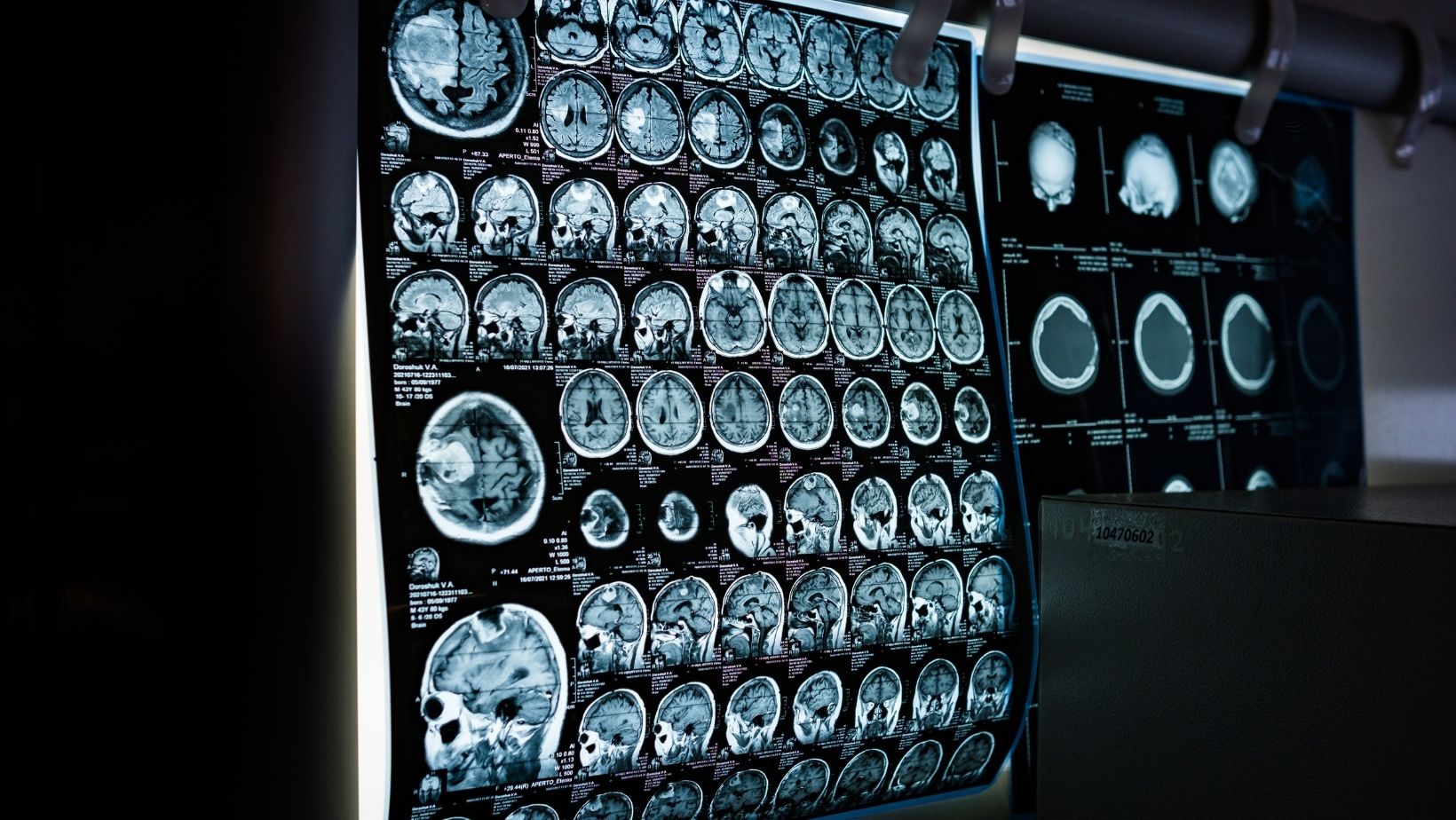
There is a new class of drugs called psychoplastogens. These include substances like psilocybin and lysergic acid diethylamide (LSD). They bind to a receptor called tropomyosin receptor kinase B (TrkB). This triggers a burst of growth in the brain.
Ketamine C13H17NO is a fundamental part of a new movement to help the brain rewire itself. It works by blocking the N-methyl-D-aspartate, or NMDA receptor, which triggers healing and growth.
Ketamine counteracts the synaptic deficits in the prefrontal cortex that develop with chronic alcohol or cocaine use. That effectively restores the top-down control necessary for sobriety.
Using ketamine to treat alcoholism is showing incredible results. It’s now in the last phase of trials because nearly 9 out of 10 people in a recent study were able to quit drinking for at least half a year after finishing the program.
2. Glutamatergic Modulation Helps Restore Balance
When you think about substance dependence, dopamine is usually the neurotransmitter that gets all the attention. While dopamine’s role in reward and motivation is undeniably important, it’s only part of the story.
Increasingly, researchers are focusing on glutamate, which is the brain’s primary excitatory neurotransmitter. It serves as a critical driver of dependence, craving, and relapse.
Chronic substance use disrupts the glutamatergic system, particularly in areas like the nucleus accumbens and prefrontal cortex. This imbalance contributes to withdrawal, relapse triggers, and persistent cravings even after detox.
Novel therapeutics target the glutamatergic system to restore harmony. A standout example is N-acetylcysteine (NAC), an over-the-counter supplement turned therapeutic agent. NAC normalizes glutamate levels by boosting transporters like GLT-1 and xCT, which clear excess glutamate and prevent overflow in reward circuits.
Other glutamatergic modulators include drugs like memantine (used for Alzheimer’s but explored in addiction) or modafinil, which tweak glutamate release to curb drug-seeking.
3. Immunotherapy Prevents Substances From Reaching the Brain
Perhaps the most conceptually bold frontier in addiction treatment is immunotherapy. The logic behind this is simple. Teaching the immune system to intercept drug molecules in the bloodstream can prevent them from crossing the blood-brain barrier. If the drug can’t reach the brain, the high never happens. That effectively strips the substance of its power to reinforce addiction.
Anti-drug vaccines, a type of immunotherapy, work by conjugating drug molecules to carrier proteins. This triggers an immune response. The body then produces antibodies that bind to the drug in the bloodstream, forming large complexes that can’t cross the blood-brain barrier.
For opioids, antibodies neutralize fentanyl or heroin analogs before they bind receptors. That potentially prevents respiratory depression in overdoses or blocks euphoria to deter use.
Unlike traditional meds, immunotherapy works in the bloodstream rather than the brain, avoiding direct alterations to neurochemistry. This external approach minimizes the risk of psychiatric side effects or the secondary dependency issues often seen with centrally-acting drugs.
Hope on the Horizon
Addiction is tough, but novel therapeutics are shifting the focus from managing dependence to truly addressing its roots. Combined with strong diagnostic screening, these could transform recovery.
Note, though, none are magic bullets, and they are often most effective alongside therapy, support groups, and lifestyle changes. Always work with a doctor or specialist to find the treatment plan that fits your unique biology and history.
The road to recovery is long. But with these biological tools in hand, that journey is becoming more navigable and successful than ever before.










Discussion about this post