
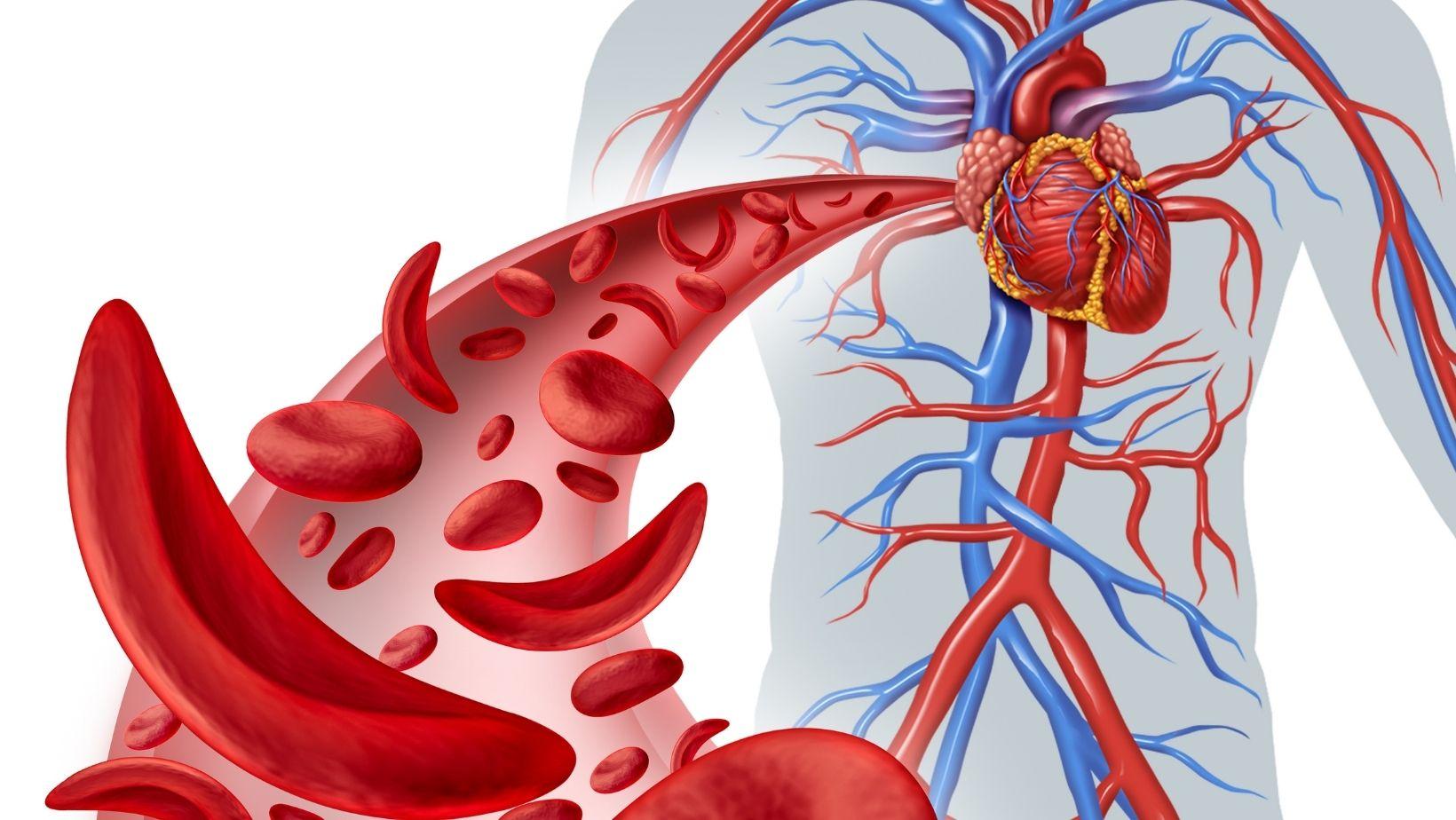
Blood circulation is vital for the human body to work properly. Blood is the carrier of oxygen and nutrients as well as hormones and other vital components to all organs, muscles, and tissues in use. Poor circulation, even in its mildest form can lead to great difficulties in a number of areas from physical energy, mobility, cognitive function and general health and well being. Though poor circulation is most commonly thought of as a condition associated with aging, it can affect people of any age and lifestyle, particularly those who are frequently sedentary or suffer from an underlying health issue or vascular problem.
Because symptoms can develop gradually and may appear unrelated, it is important to understand how circulation relates to overall health. Close attention should be paid to persistent fatigue, swelling, discomfort in the legs or a decrease in physical performance which may indicate circulation problems.
What is poor circulation and what causes it
Poor circulation occurs when blood is restricted from flowing through the arteries and veins properly. There are many reasons that could cause this, such as narrowed blood vessels, damaged veins, blood clots and chronic conditions like diabetes, obesity and hypertension. Lifestyle factors are a big contributor to circulatory problems including prolonged sitting, smoking, lack of exercise and poor dietary habits.
These conditions make it difficult for blood to flow back toward the heart, often causing leg swelling, heaviness and pain.
Some do not take early signals seriously, it can be very mild at first. But if ignored, circulation issues can develop over time and have serious implications on both health and quality of life.
Low Energy and Poor Circulation
Chronic fatigue or low energy: One of the most common signs of inadequate blood circulation. We extract oxygen via blood, every cell in the body needs oxygen to generate energy. As circulation gets poor, muscles and organs start not getting enough oxygen and people seem to enjoy it even if they have already rested sufficiently.
That lack of energy is often more than just physical tiredness. People with circulation problems often complain of mental fatigue, inability to concentrate as well as impaired daily activities. As the brain relies largely on good blood flow, poor circulation may affect cognitive function and mental clarity.
In addition, poor blood circulation may impact your sleep quality too. With proper oxygenation rest becomes elusive, and the result is fatigue that fuels a vicious cycle of tiredness: leg discomfort, cramps, tingling sensations, or restless legs related to vascular problems. Chronic tiredness over time can lessen the enthusiasm for exercise, possibly even worsening blood circulation health.
Exercise, adequate hydration and appropriate assessment by a healthcare professional when appropriate can dramatically improve circulation which in turn supports energy levels and daily activities.
How Circulatory Problems Impact Mobility
Circulation is another of the areas where mobility has seen a fundamental impact. A nutrient-rich supply of blood is essential for muscle function, joint health, and tissue repair. The legs and feet are often the first to feel the effects of compromised circulation, as blood must fight against gravity in its return journey back up to the heart.
Those with poor circulation can also feel heaviness, aching, numbness or swelling of the lower extremities. You may find walking distances or standing/being still for long periods harder. In advanced but not severe cases, may cause cramps or pain when moving so that they cannot move;
Lowered movement can place other health problems into play. Lack of physical activity leads to poor weight gain, cardiovascular disease, and poor muscle strength which can further lead to poor circulation. This cycle has the potential to slowly impact autonomy and global welfare.
Disorders of veins like varicose veins are one of the most common reasons for mobility disabilities. Bulging, cracked veins may be feeling sore and starting to bulge visible discomfort to movement. The earliest stages can be identified in order to prevent complications from getting worse by seeking Professional care. Around treating cumbersome symptoms related to veins, people see experts who evaluate the health of their circulatory system. This is the reason a large number of patients prefer to get treated by vein specialists in Great Neck NY to manage symptoms effectively and improve long-term vascular health as well.
The Wider Impact on Overall Wellness
Why Does Poor Circulation Impact So Many Aspects Of Wellness? Circulation is involved in nearly every system of the body, and poor blood flow can affect big aspects of overall wellness. Circulation helps regulate skin health, tissue function, immune systems and even wound healing. Chronic circulatory problems can lead to dry skin, skin discoloration, slow healing of cuts or a reduced tolerance to temperature changes.
It can also be a risk for greater medical complications, to start with poor circulation. Untreated vascular diseases may lead to chronic inflammation in your body, which can be associated with blood clots and cardiovascular disease. People who have high blood sugar levels are also at an increased risk of developing foot ulcers and infections, this is due to the fact that they might have circulation problems causing their wounds to heal more slowly.
When chronic pain and fatigue become chronic mental and emotional well-being may also suffer. The inability to perform is making it challenging to work, exercise, meet friends or follow your daily routines. Circulation concerns can make persons less active, the discomfort, and often a feeling their entire body or legs are sagging but early motions on these disorders may possibly empower men and women to give back into a more active and comfy lifestyle and also be lively again.
Lifestyle and Medical Care to Improve Circulation
Good circulation can be achieved through good habits and professional medical support. Exercise is really one of the best things you can do for your blood flow since movement helps increase circulation and makes the cardiovascular system work more effectively. Exercises walking, stretching, swimming and low-intensity exercises also aid the vascular system.
Nutrition also matters a lot. Diets high in fruits, vegetables, whole grains and healthy fats can promote blood vessel health. Hydration ensures effective blood volume which then supports circulation, while minimising smoking and excess drinking reduces load on the vasculature.
Force can influence sensations in the limbs over time, which is why you wear compression therapy and try additional techniques, like weight management and practicing proper posture. But, in cases of ongoing or worsened symptoms, medical evaluation is needed. Many newer vein treatments as well as other vascular therapies get to the root causes with minimally invasive procedures that enhance comfort and mobility.
Conclusion
Bad blood flow is more than a slight nuisance. It has big effects on energy levels, physical mobility, mental clarity and long-term health. Symptoms are often so gradual that most individuals downplay the impact circulation has on everyday life, only to realize when the discomfort becomes impossible to ignore.
In the meantime, learning to recognize the very early signs of vascular issues and taking proactive measures can make an immediate difference to one’s comfort and quality of life over the long term. With proper lifestyle decisions and appropriate medical attention when needed, the body will end up with much better blood circulation, more mobility and holistic health.








Discussion about this post