
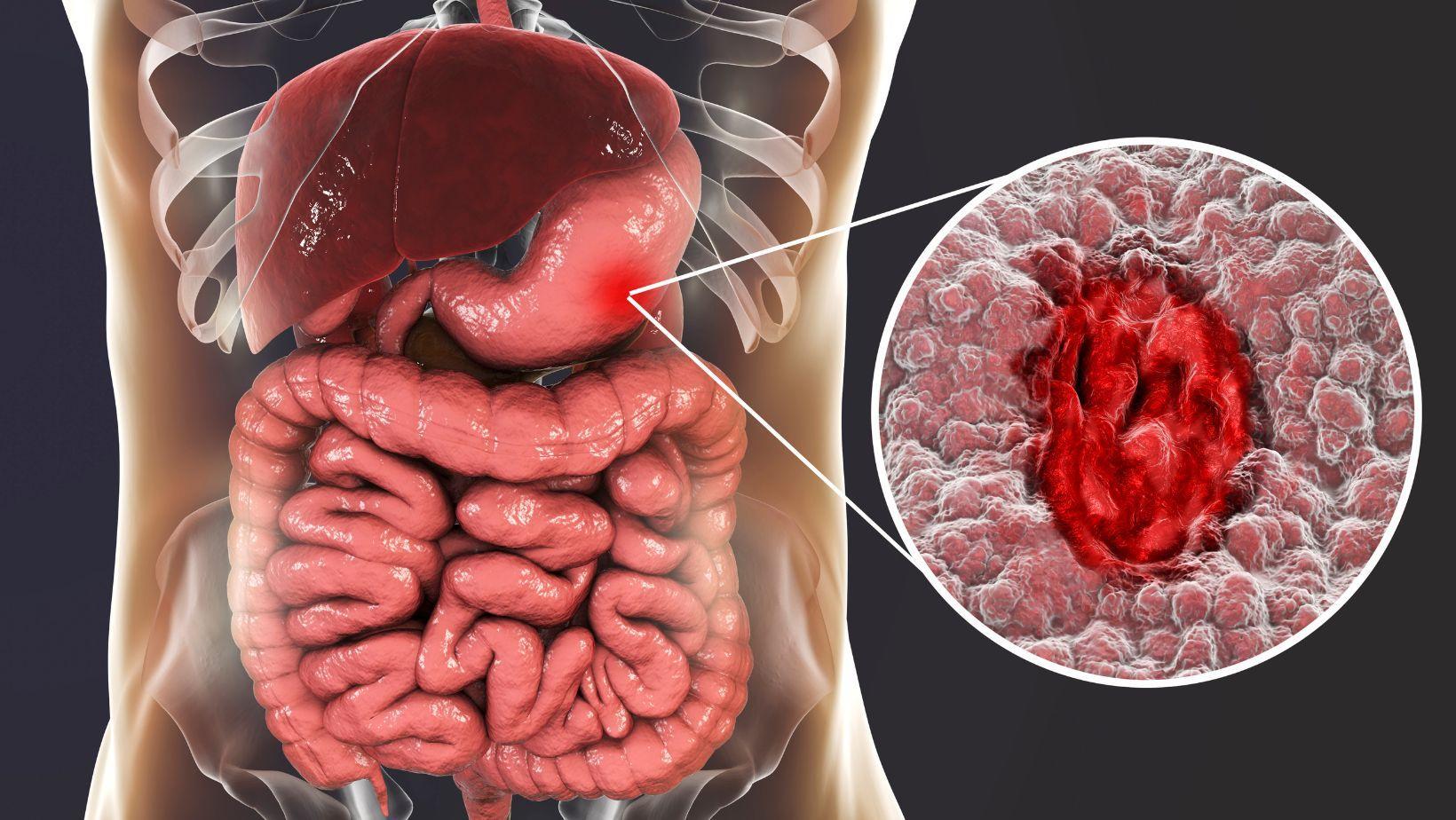
The individualized disease of gastric cancer is becoming better understood. Hence, a growing number of patients with gastric cancer are no longer treated solely with the tried-and-true methods of surgery, of chemotherapy, and of radiation therapy. Many other treatment approaches are considered for the individual patient, which are based on biomarker testing and employ targeted therapies and/or immunotherapy.
Gastric cancer is a highly complex disease. Therefore, in individual cases, different options for treatment are discussed with the patient. An important point for discussion is whether a tumor can be completely removed by surgery and the patient’s overall state of health.
Why Biomarkers Matter
Biomarkers for cancer are measurable features of tumors or of the response to treatment. Thus, the results from a biomarker test can be used for discussions about the treatment option for a patient with cancer. Biomarkers for advanced gastric cancer are defined as HER2, PD-L1, mismatch repair or microsatellite instability status and CLDN18.2.
It is essential to note that the presence of biomarkers in gastric cancer does not predetermine a specific treatment. In combination with the cancer’s stage, the prior treatment given to the patient, the patient’s overall health and other clinical factors, biomarker information can be used to help decide on an appropriate treatment approach for each individual and to discuss corresponding options with the patient.
Understanding HER2
HER2 protein is expressed in higher amounts in some gastric cancers or gastroesophageal junction (GEJ) adenocarcinomas. Treatment with HER2-targeted therapies (e.g. trastuzumab) may be considered for locally advanced unresectable or metastatic HER2-positive gastric or GEJ cancers. Trastuzumab may be used as a single agent or in combination with chemotherapy and/or other systemic therapies for patients with locally advanced unresectable or metastatic HER2-positive gastric or GEJ cancers. The specific situation and the criteria that are applicable in a given clinical situation would determine which of these options would be considered for a given patient.
Targeted therapies, such as trastuzumab, are used in combination with certain chemotherapy regimens as well as other anti-cancer therapies. Trastuzumab is a targeted therapy for use in patients with HER2-positive gastric cancers.
In addition to information regarding the disease and treatment criteria, healthcare providers and their patients can discuss considerations for treatment based on the HER2 status of the patient’s cancer. Patients may also want to discuss whether their tumor has been tested for HER2 status and what the results of the test indicated.
The Emergence of CLDN18.2
There are several other biomarkers for gastric cancer including CLDN18.2, a protein that is expressed on the surface of stomach cancer cells. Some gastric cancers can be treated with a drug called zolbetuximab (Zynthyga) if they are positive for CLDN18.2, as determined by a tumor sample. CLDN18.2 testing must be done using an FDA-approved test.
Zolbetuximab (Zolbetuximab, Zylinc) is a drug for the treatment of adults with locally advanced or unresectable, HER2-negative, gastric or gastroesophageal junction adenocarcinoma, whose tumors are CLDN18.2-positive as determined by an FDA-approved test.
The development of gastric cancer treatment has reached a stage where treatments are being introduced into the clinic. These are based on advances in our understanding of tumor biology. Therefore, accurate pathology and biomarker testing is essential for selection of the most appropriate treatment for an individual’s disease.
PD-L1 and Immunotherapy
The expression of the biomarker PD-L1 in a tumor can be used as a determinant in the treatment of patients with advanced gastric cancer. These biomarkers can be tested using different methods and scoring systems.
Most chemotherapy treatments kill cancer cells in a fashion similar to how most Chemotherapies work by killing cancer cells. There are certain situations where the cancer cells can become resistant to the treatment. On the other hand, Immune checkpoint inhibitors such as pembrolizumab work by releasing the brakes of the immune system, and thereby allow the immune system to recognize and attack cancer cells.
Pembrolizumab is an immune checkpoint inhibitor used in gastric and gastroesophageal junction cancer. Immunotherapy is a form of cancer treatment. Like all cancer treatments, it is not right for everyone. In order to consider using pembrolizumab for a patient’s cancer, their doctor will review their overall medical situation, assess their tumor(s) using various biomarkers and prior treatments, and determine whether or not the indications for use of pembrolizumab for gastric or gastroesophageal junction cancer are met.
Immunotherapy, in the form of a checkpoint inhibitor, is not for everyone. As with all therapies, there are potential side effects. These must be weighed against the potential benefits to come. Each case must be looked at individually and all relevant factors taken into account.
MSI and Mismatch Repair Status
However, there are some cases of gastric cancer that are classified as MSI-high or mismatch repair-deficient (dMMR) and may be more sensitive to immune checkpoint inhibitors. In these cases, testing for mismatch repair (M-R) and assessing the level of microsatellite instability (MSI) in the tumor would be relevant to treatment planning.
Mismatch repair deficiency and/or presence of high levels of microsatellite instability (MSI-H) in gastric cancer can influence treatment decisions for patients with advanced disease and may be associated with response patterns to immune checkpoint inhibitors.
As for MSI and Mismatch Repair testing for gastric cancer, this is not a single test but part of the patient’s clinical and pathological evaluation of their tumor. It can tell us of the tumor’s biological behavior and lead us to other treatment options for the gastric cancer patient.
Treatment Is More Than One Biomarker
MSI and Mismatch Repair Status: More to Cancer Treatment than Biomarkers.
For any one patient with gastric cancer, there can be a number of relevant clinical and molecular findings. Consequently, the number of potential treatments for any one case of gastric cancer, as well as the number of factors that a health care team needs to consider when making a treatment decision for any one patient with gastric cancer, can be very large indeed. (For example, a health care team for a patient with gastric cancer might consider factors such as the stage of the gastric cancer, the location of the gastric cancer, prior treatments for the gastric cancer, organ function, nutritional status, performance status, other medical conditions, and treatment preferences of the patient with gastric cancer.)
The approach to the treatment of a patient’s cancer changes as new information becomes available. This information can come from a number of sources, for example from new images of the patient’s tumor, from changes in the patient’s symptoms, from how the patient is responding to current treatment, and from information from the tumor’s pathology and from biomarker testing.
Balancing Treatment with Quality of Life
However, with more treatment options available and being developed for gastric cancer patients, it is also important to protect their quality of life, i.e. their appetite, nutrition, energy, physical activity and emotional well-being and how the cancer itself and its treatment may affect them.
In addition to the physical effects of cancer and its treatment, there are a number of other problems that may affect a patient’s quality of life. These problems may affect appetite, nutritional intake, energy, physical function and many other aspects of a patient’s life and need to be assessed and for which support and symptom management can be offered on an individual basis and as required.
Your goals for treatment, in discussion with your health care team, can help identify the expected benefits and potential risks to consider with your cancer and how treatment may affect your life and your personal priorities.
What May Come Next?
Most of the current research is to develop further targeted therapies for gastric cancer, such as antibody-drug-conjugates and/or immune-based therapies. These can be used as single agents, as well as in combination with other treatments. As more is learned about the individual gastric tumors, gastric cancer will become a more individualized treatment situation and thus patients will be told which patients may derive benefit based on clinical factors. The treatment and management of gastric cancer is rapidly evolving and there are a number of treatments for gastric cancer that are in research stages.
Surgery, chemotherapy and/or radiation therapy as well as new targeted therapies and/or even immunotherapy will be used for gastric cancer in specific cases, including in a combination of different methods of treatment, i.e. in individual cases.
In recent years there has been an increase in the number of treatments for gastric cancer. Immunotherapy and targeted treatments are often used on specific groups of patients. New findings and treatments for gastric cancer are constantly being published in medical journals around the world. For this reason it is very important for patients with gastric cancer and their relatives to stay up to date with the latest news from around the world on the topic of gastric cancer and to discuss the latest findings with their doctor.
Disclaimer: The information provided in this article is intended for educational purposes only and should not be interpreted as medical advice, a clinical guideline, or a recommendation for any specific treatment.













Discussion about this post