
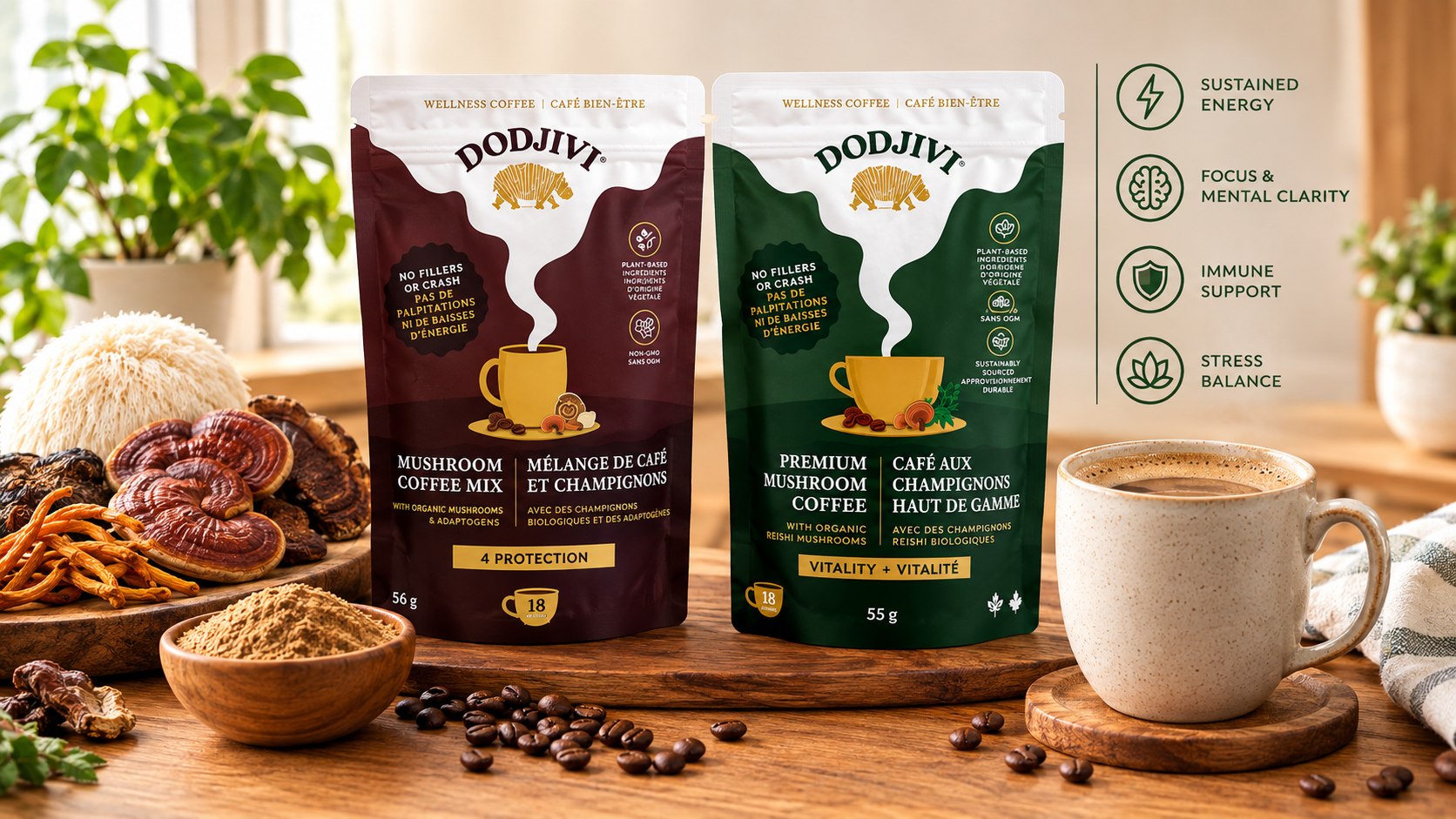
You just bought your first bag of mushroom coffee. Now you’re standing in the kitchen wondering: can you actually drink this stuff every single day, or is it more like a supplement you take now and then?
Here’s the short answer. Yes, most healthy adults can drink mushroom coffee every day. In fact, daily use is how it’s meant to work. The lower caffeine dose and the mushroom compounds inside both work best with steady, everyday use, not occasional sips. If you’re curious what a best-selling organic mushroom coffee blend actually looks like day to day, this guide walks through exactly what changes in your body, what the research says, and who should be more careful.
What Is Mushroom Coffee, Exactly?
Mushroom coffee is regular coffee mixed with extracts from functional mushrooms. These are not the hallucinogenic kind. They don’t cause any mind-altering effects. They’re closer to a supplement than a drug.
The most common mushrooms used are:
-
Lion’s mane, often linked to focus and mental clarity
-
Chaga, known for its antioxidant content
-
Reishi, often used for calm and stress support
-
Cordyceps, associated with energy and physical performance
The coffee itself still tastes like coffee. Most brands blend the mushroom extract so well you’d never know it’s there unless you read the label.
What Happens When You Drink Mushroom Coffee Every Day
Your Caffeine Intake Drops
This is the biggest change people notice first. A regular cup of coffee has close to 95 mg of caffeine. Most mushroom coffee blends have far less, often in the 25 to 50 mg range. That’s a real difference in mushroom coffee vs regular coffee caffeine content, and it adds up fast if you drink coffee daily.
Less caffeine usually means less of the “need three cups just to function” pattern that regular coffee can create over time.
You May Feel Fewer Jitters and Crashes
Jitters and crashes are mostly a caffeine dose problem. With less caffeine per cup, many daily drinkers say their energy feels steadier throughout the morning instead of spiking and dropping. This is one of the most searched mushroom coffee daily benefits, and it lines up with basic caffeine science: lower dose, smaller crash.
Your Gut Gets a Small, Steady Boost
Mushrooms contain natural compounds called polysaccharides. Your body can’t fully break these down on its own. Instead, they travel to your large intestine, where research on mushroom polysaccharides and gut bacteria shows they feed good gut bacteria. This is part of why mushroom coffee gut health claims keep coming up in reviews and research alike.
The catch: this same fiber-like content is also the most common reason people notice mild bloating in the first few days. It usually settles once your gut adjusts.
Focus and Mood May Improve Slowly
Lion’s mane coffee benefits are the most talked-about part of this category, and for good reason. Research on mushrooms and cognitive health links lion’s mane to improved mood and mental performance over time. That said, most of this research looks at lion’s mane on its own, not blended into coffee specifically. Expect a slow, steady effect, not an instant switch.
Sleep May Improve, Indirectly
Mushroom coffee is not a sleep supplement by itself. But because it has much less caffeine, swapping your regular afternoon coffee for a mushroom blend, or simply avoiding caffeine within eight hours of bedtime, is a common reason people report sleeping better after a few weeks.
Mushroom Coffee Every Day: Side Effects to Know
Most people tolerate daily mushroom coffee well. Still, side effects can happen, especially in the first week.
|
Side Effect |
Likely Cause |
Who Notices It Most |
|
Bloating or gas |
Mushroom fiber (polysaccharides) |
First week of use, people with IBS |
|
Mild caffeine sensitivity |
Even 25 to 50 mg adds up |
Slow caffeine metabolizers |
|
Medication interaction |
Reishi and chaga may affect blood pressure or blood sugar |
Anyone on related medication |
|
Kidney stone risk |
Chaga contains oxalates |
People with a kidney stone history |
If you’re asking is it safe to drink mushroom coffee daily for your specific situation, the honest answer depends on your health history. Most people are fine. Some groups need a doctor’s opinion first.
Who Should Not Drink Mushroom Coffee Daily
-
People who are pregnant or breastfeeding
-
Anyone with a history of kidney stones or kidney disease
-
People taking blood thinners, blood pressure medication, or diabetes medication
-
Anyone with a known mushroom allergy
How Much Mushroom Coffee Per Day Is Safe?
Most brands and health experts agree on a simple range: one to two cups a day. Going beyond that mostly adds caffeine, not extra benefit, since mushroom doses in most blends are built around one or two servings.
If you’re new to it, a simple way to start:
- Days 1 to 3: Start with half a serving in the morning, with food.
- Days 4 to 7: Move up to a full serving if you feel good.
- Week 2 and beyond: Add a second cup only if you want it. Many people find one cup is plenty.
Best Time to Drink Mushroom Coffee
Morning is the most common choice, mainly because of the caffeine content. If your blend is closer to decaf, an early afternoon cup can work too, as long as it’s outside that eight-hour window before bed.
For anyone exploring different blends based on their goal, whether that’s focus, calm, or gut support, timing your cup around when you need that effect most tends to work better than drinking it purely out of habit.
Can Mushroom Coffee Replace Coffee Completely?
For most people, yes. The main trade-off is caffeine. If you’re used to a strong jolt, the switch will feel noticeably gentler at first. If you’re trying to cut back on caffeine without losing your coffee routine, this is exactly the gap mushroom coffee is built to fill.
What Real Drinkers Say About Daily Use
Outside of clinical studies, a few patterns show up again and again in reviews and online discussions:
-
“One cup is enough.” People who normally drink coffee all day often report not wanting a second cup, likely tied to the steadier energy curve.
-
Taste splits people. Some notice an earthy note at first. Most say it fades or becomes unnoticeable within a few cups.
-
Caffeine-sensitive drinkers switch on purpose. People prone to anxiety or jitters from regular coffee often try mushroom coffee specifically to avoid that edge.
-
The first week is the adjustment period. Mild digestive changes in week one, then things settle down, is the most common pattern reported, matching what shows up in a week-long daily mushroom coffee experiment run by a health writer who tested it herself.
Actionable Takeaways
-
Start with half a serving for the first few days, then build up to a full cup.
-
Stick to one or two cups a day; more isn’t more effective.
-
Give your gut about a week to adjust before deciding how you feel about it.
-
Check with a doctor first if you’re pregnant, breastfeeding, on blood thinners, or have a kidney stone history.
-
Drink it in the morning if your goal is replacing regular coffee.
-
Read the label. Caffeine and mushroom content vary a lot by brand.
Conclusion
So, can you drink mushroom coffee every day? For nearly everyone, yes, and daily use is really how it’s designed to work best. Expect less caffeine, steadier energy, a short gut adjustment period, and slow, gradual benefits for focus and stress rather than an instant effect. The people who should pump the brakes are pregnant or breastfeeding individuals, anyone with kidney stone history, and people on certain medications. For everyone else, one to two cups a day, started slowly, is a safe and simple way to build the habit.













Discussion about this post