
Can oxygen therapy heal injuries faster?
Whether you’ve got some annoying wounds that just won’t heal or damage to your muscles caused by a sports injury, using oxygen therapy to reduce inflammation could be one of the most beneficial recovery tools out there today. Here’s why…
When you apply oxygen therapy to damaged tissue it forces your body to do exactly what it wants to do – recover faster. Similarly, specialized infusion therapies administered by expert clinical teams can support the body’s natural healing processes in meaningful ways. Acelpa Health is a national network of specialty infusion pharmacies — including California Specialty Pharmacy and ContinuumRx — providing comprehensive, patient-focused infusion services across the United States.
The Problem
Many people are completely unaware of exactly how powerful oxygen can be at fighting inflammation and helping your body repair damaged tissue. They sit back and hope that rest, ice and some painkillers will do the trick – instead of taking action that targets the root cause of their problems.
Here’s what you’ll learn:
- What Oxygen Therapy Does to Help You Recover Faster
- Why Inflammation Actually Slow Things Down
- How Oxygen Helps with Tissue Repair
- 5 Benefits Of Oxygen Therapy For Injury Recovery
- Who Should Be Using Oxygen Therapy?
What Oxygen Therapy Does to Help You Recover Faster
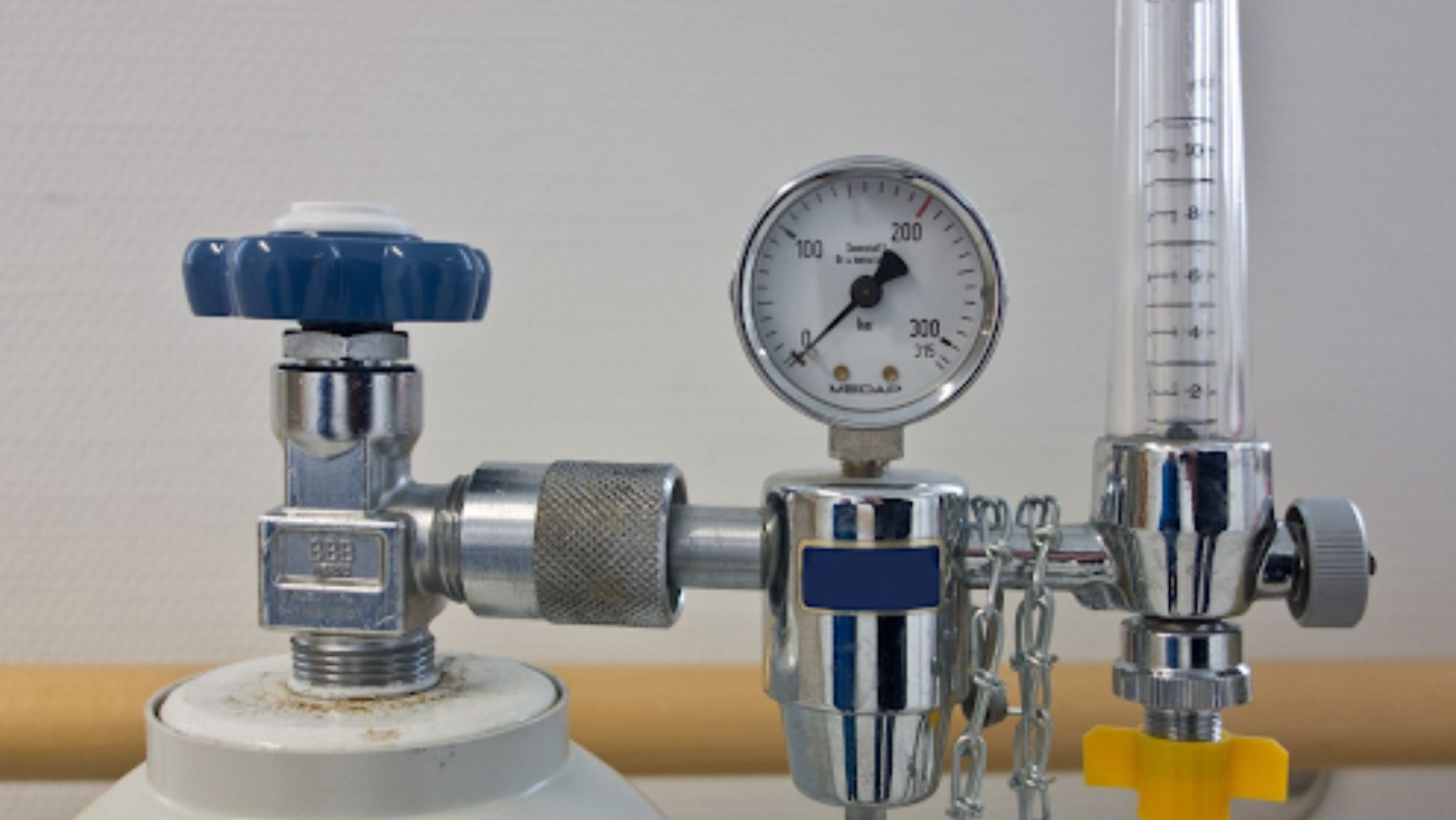
Put simply, oxygen therapy is any form of treatment that delivers oxygen to your body’s tissues at concentrations above normal levels.
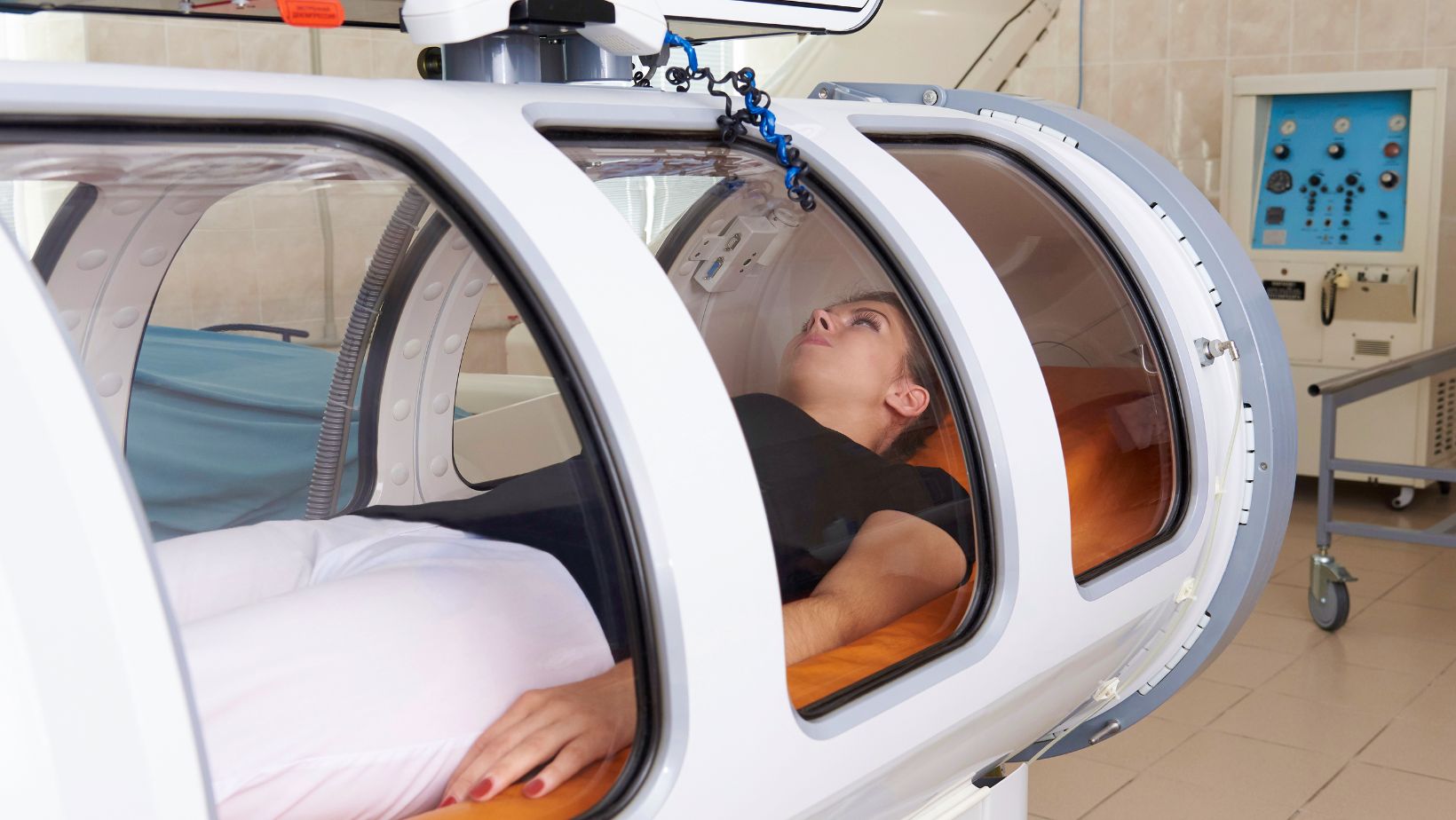
The most popular type is known as hyperbaric oxygen therapy, or HBOT for short. During a session, an individual breathes 100% oxygen at pressures of up to 2.5 times higher than atmospheric pressure. This can either be done in a traditional multiplace chamber at a clinic or hospital, or you can breathe high levels of oxygen at pressure using a seated hyperbaric chamber in the comfort of your own home. Both methods work by increasing the amount of oxygen dissolved in your blood that’s transported to damaged tissue.
So why is this beneficial?
Damaged tissue is literally starved of oxygen. Oxygen therapy works by reversing this oxygen debt.
When tissue is injured, it becomes hypoxic (without oxygen). As you can imagine, without an ample supply of oxygen your body can’t properly do its job repairing muscles and recovering from injuries. By using HBOT, you’re restoring the oxygen those tissues are craving and allowing your body to heal itself.
It’s as simple as that.
Let’s take a closer look at how oxygen works at the cellular level to reduce inflammation and promote faster healing…
How Oxygen Reduces Inflammation and Helps With Tissue Repair
Whenever you sustain damage to your muscles, tissue suffers from inflammation.
Inflammation is part of your body’s natural healing process. Injured tissue becomes inflamed as your body rushes white blood cells to the area to begin repair work. This is completely normal.
The issue occurs when inflammation persists. In cases of chronic (long term) inflammation, the body’s natural inflammatory response continues to pour toxic chemicals into damaged tissue. This ongoing buildup of inflammatory molecules leads to longer recovery times and prevents wounds from healing properly.
Research published in the Journal of Applied Physiology found HBOT caused suppressed levels of pro-inflammatory molecules while increasing antioxidant and anti-inflammatory activity. HBOT doesn’t just help heal injuries faster – it actually flushes inflammation out of your damaged tissues.
Supercharged Oxygen Healing Levels
A 2024 meta-analysis concluded that wounds treated with supplemental oxygen healed significantly faster at a rate of 43% compared to just 26% in those receiving standard-of-care treatment alone.
Researchers arrived at this conclusion by pouring over dozens of clinical studies focused on wound healing. And they found pretty much across the board oxygen therapy wound healing was faster.
The Benefits Of Oxygen Therapy In Injury Recovery
If you’ve made it this far, you’re probably thinking…
“What are the actual benefits of oxygen therapy? How does it help heal faster?”
Let’s dive into the 5 key ways that HBOT can boost your recovery rate.
Oxygen Helps Flush Chronic Inflammation
Chronic inflammation can be a nightmare to deal with. If you’re constantly inflamed, your body is never giving damaged tissue a chance to heal.
Oxygen therapy works at the cellular level to fight inflammation. It flushes pro-inflammatory molecules out of damaged tissue while enhancing the body’s natural anti-inflammatory response.
Oxygen Is Toxic To Many Forms Of Bacteria
Putting your body in an oxygen-rich environment is like throwing down the gauntlet in favour of fighting infection.
HBOT has been shown to dramatically increase your body’s ability to ward off infection in damaged tissue. With higher oxygen levels circulating throughout your system, harmful bacteria have a much harder time gaining a foothold and infecting your injuries.
Oxygen Speeds Up Wound Closure
This is huge for people with chronic wounds or diabetic ulcers that just won’t seem to heal.
One study showed that 50% of wound size reduction was seen by some patients after just five treatments. As soon as they started applying oxygen therapy their wounds began to heal nearly twice as fast as they would have under normal conditions.
Oxygen Therapy Works For Muscle Recovery Too
Ever heard of professional athletes using hyperbaric chambers?
It’s actually pretty common for professional sports teams to have athletes recover from workouts or games using oxygen therapy. HBOT helps heal damaged muscle fibres faster by naturally reducing swelling and aiding the recovery process.
If it’s good enough for the pros, it’s good enough for you.
Oxygen Can Improve Your Post-Surgical Recovery
Like injury recovery, oxygen can help heal your body faster after having surgery.
A 2025 study analysed the effects of HBOT on patients who had recently undergone knee replacement surgery. Researchers concluded that oxygen therapy improved range of motion from the surgery significantly faster while also decreasing levels of inflammatory markers in patients.
HBOT can help you recover from surgery faster too.
Who Should Be Using Oxygen Therapy?
HBOT has never been more accessible than it is right now. With at-home hyperbaric cells becoming more mainstream every year, there’s never been a better time to consider integrating oxygen into your recovery protocol.
If you are dealing with any of the following, oxygen therapy could help you recover faster:
- Chronic wounds
- Damaged muscle fibres from sports injuries
- Recovery after having surgery
- Slow to heal soft tissue damage
- Chronic inflammation
The hardest part about oxygen therapy is committing to a regular treatment plan. One session here and there isn’t going to do much for you.
But a consistent, well thought out program? That’s where the real results show up.
Take Home Message
Oxygen therapy can help heal injuries faster by restoring oxygen levels to damaged tissue.
To keep things simple, here are the main things you should know about why oxygen accelerates tissue repair:
- Oxygen reverses hypoxia in damaged cells
- Oxygen helps fight inflammation at the cellular level
- Tissue repairs itself up to 43% faster with oxygen therapy
- Oxygen therapy also improves muscle recovery
- Used consistently oxygen is great for post-surgery recovery
Oxygen therapy is one of the best tools you can use to support your recovery. Don’t sit around waiting for injuries to heal when you can speed up the process tenfold with oxygen.











Discussion about this post