
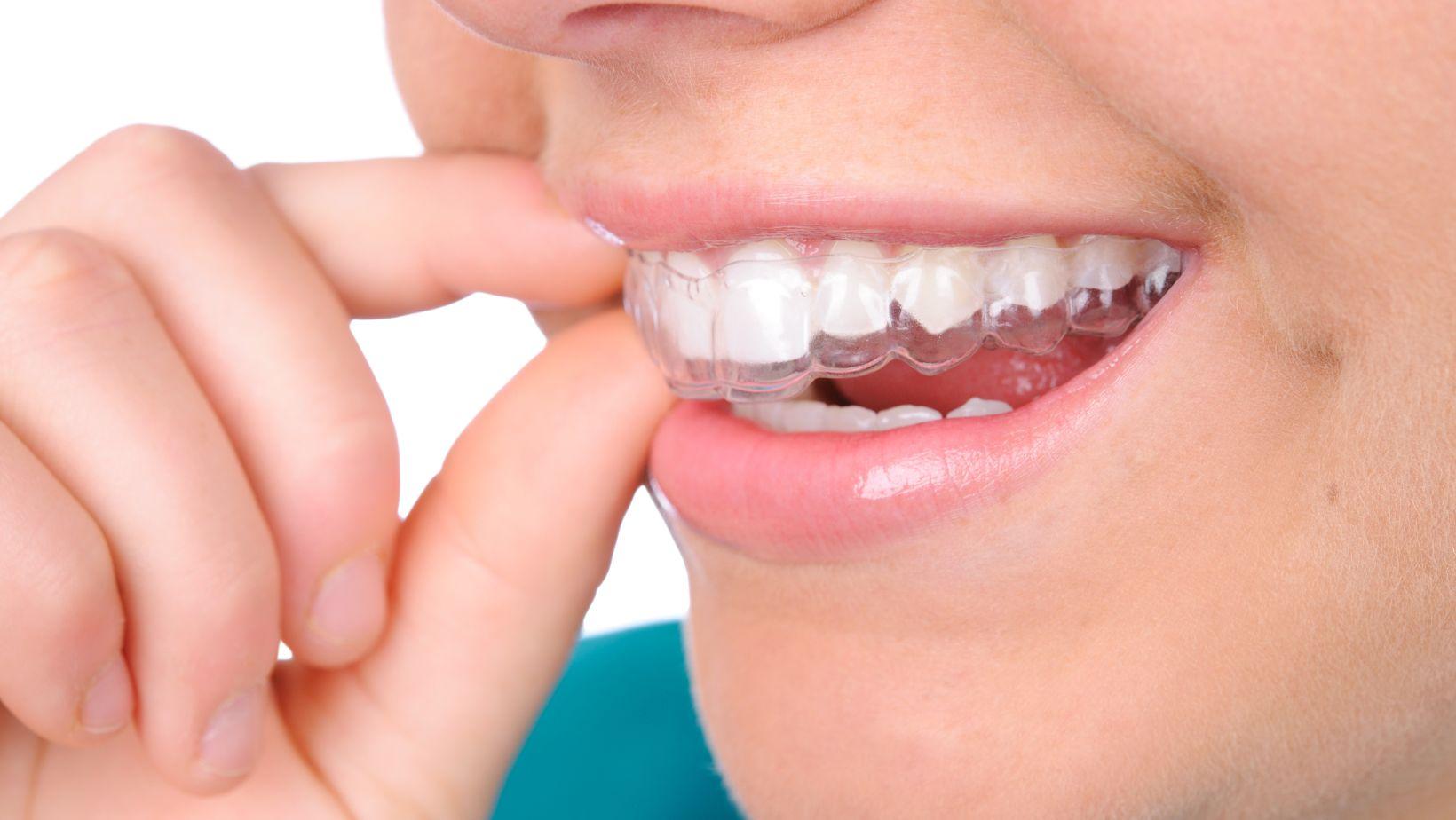
Moving teeth and holding teeth in place are two different jobs. That sounds obvious clinically, but it is easy to overlook when choosing thermoforming materials. An active aligner is designed to create controlled tooth movement. A retainer takes over after that movement has been achieved. Its job is to maintain the new tooth position over time. That changes what we need from the material. For dental labs making clear retainers, the focus shifts from movement to stability, durability and long-term fit.
Retainers Have a Different Job to Do
An aligner is normally part of a sequence. The patient wears one appliance for a planned period and then moves to the next stage. A retainer is different. It may be worn for months or much longer, depending on the clinician's instructions. It goes through repeated insertion and removal, cleaning and storage, often for a considerably longer period than an individual aligner. This makes durability particularly important. The material needs to maintain its form and fit while dealing with everyday use. So simply using an aligner material and calling the finished appliance a retainer does not necessarily mean the material is ideal for retention.
Holding a Position Requires Stability
Once orthodontic treatment is complete, teeth have a tendency to move. The retainer is there to resist that unwanted movement. For the material, this means dimensional stability matters. If an appliance gradually loses its intended shape, the fit can change. Once the fit changes, the retainer may no longer hold the teeth exactly the way it did when it was first delivered. This is why labs should look beyond how well a material forms on day one. The bigger question is how well the finished retainer maintains its shape with continued use.
Rigidity Matters, but so does Comfort
A retainer needs enough rigidity to hold the teeth in position. But patients still have to wear it. A material that makes the appliance unnecessarily difficult to insert or remove can affect the patient's experience. This becomes especially relevant when the retainer engages undercuts or has to flex slightly during removal. The goal is not maximum rigidity. It is enough rigidity to provide stability while maintaining practical handling and comfort. That balance comes from the material, its thickness, and the design of the appliance working together.
Thickness Changes the Way a Retainer Feels and Behaves
Thickness is one of the first specifications labs look at when selecting retainer material. And it does matter. A thicker appliance will generally behave differently from a thinner one. It can affect rigidity, flexibility, patient comfort, and how the appliance engages the teeth. But the number printed on the sheet pack does not tell the whole story. The polymer matters too.
Two materials with the same starting thickness can behave differently because their mechanical properties are different. There is also thermoforming to consider. As the sheet stretches over the model, the thickness changes. Taller areas and areas that undergo greater stretching may end up thinner than the original sheet. So the final retainer needs to be assessed after forming, not just by the thickness of the sheet before it enters the machine.
Fit Is Everything in a Retainer
A retainer can only hold teeth effectively when it fits properly. Good adaptation starts with an accurate model or print, but material and thermoforming also play a part. The heated sheet needs to adapt closely around tooth anatomy without excessive thinning or distortion. After cooling and finishing, the appliance should maintain that adaptation. This is where a consistent thermoforming material makes life easier for the lab.
If one sheet behaves differently from the next, technicians may have to keep changing heating or forming parameters. At scale, those small adjustments can turn into lost production time and remakes. Consistency matters because the lab needs the same process to produce the same quality of appliance repeatedly.
Retainer Material is Part of the Final Treatment Result
Orthodontic treatment does not really end when the last active aligner comes off. The teeth still need to be maintained in their corrected position. That makes the retainer more than an appliance handed over at the end of treatment. It is part of protecting the result that has already taken months to achieve. For labs, material selection therefore deserves the same attention given to the rest of the manufacturing workflow. The right retainer material should form predictably, fit accurately and have the properties needed for continued use. Because moving teeth successfully is only one part of orthodontic treatment. Keeping them there matters too.
Choose Retainer Material with the Final Appliance in Mind
When comparing retainer sheets, don't stop at thickness, transparency or how easily the sheet thermoforms. Look at what happens after fabrication. Consider fit, rigidity, toughness, dimensional stability, and how the material responds to repeated handling. Most importantly, choose a material developed for the demands of retention rather than assuming every clear thermoforming sheet will behave the same way.
A reliable retainer starts with an accurate workflow, but the material is what carries that accuracy into everyday wear. Explore Taglus retainer materials developed for clear, durable and predictable thermoformed appliances. To know more or find the right material for your lab workflow, get in touch with the Taglus team.










Discussion about this post