

Health advice is everywhere. At the dinner table. On TikTok. In the back-and-forth of friends who swear they “read somewhere” that coffee stunts your growth. Half of it sticks because it sounds believable. The other half survives because no one bothers to check if it’s true.
And that’s the thing. Myths feel easy. They’re tidy little rules we can hold onto. Drink eight glasses of water a day. Don’t go outside with wet hair. Take vitamins and you’ll never get sick. Sounds comforting. But reality? Science rarely deals in absolutes.
The real story is less flashy. It’s layered, filled with nuance. And while it may not sound as catchy as “don’t crack your knuckles or you’ll get arthritis,” it’s far more useful.
Why Myths Stick So Well
They usually come from three places. Old traditions that people just never let go of. A bit of truth stretched way out of shape. Or clever marketing that turned into “common knowledge.”
Think about the whole “breakfast is the most important meal of the day” idea. That didn’t come from some ancient doctor. It came from cereal companies trying to sell more cornflakes. Does that mean breakfast is bad? No. It just means the story we were sold wasn’t exactly pure science.
And once a myth takes root, it’s tough to shake it off. Familiar stories are sticky. They sound right because we’ve heard them so many times.
Where Science Steps In
Science is slower, messier. It doesn’t shout in headlines, it builds piece by piece. One study. Then another. Then a bigger one to check the first two. Over time, a picture forms.
It doesn’t hand us a perfect yes or no. Instead, it says: “This seems to be true most of the time, for most people, under these conditions.” Not as catchy, but far more reliable.
Take the vaccine-autism myth. That mess came from a single bad study, which has been retracted. Since then, countless large studies have proven no link at all. Yet fear stuck harder than facts. That’s the uphill battle science faces: undoing the comfort of simple stories.
Treatments We Misunderstand
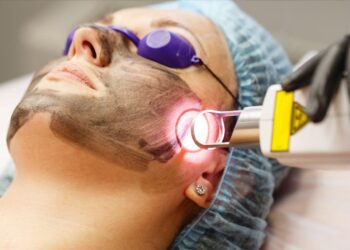
Cosmetic medicine is another place where myths thrive. People assume it’s all vanity, risky shortcuts, or fake looks. That’s the stereotype. The reality? Modern treatments often aim for something smaller, gentler. Not dramatic changes, but adjustments that support how someone already feels inside.
That’s where newer options matter. Instead of overhauling, they restore balance. Innotox is one example: science finding ways to make results look natural, not plastic. A shift from chasing extremes to focusing on precision. It’s about care, not caricature.
The myth says cosmetic equals fake. The fact says: it depends on the product, the approach, and the hands guiding the process.
A Few Myths Worth Breaking Apart
Let’s put some of the big ones on the table.
- Myth: More vitamins equal better health.
Sounds logical, but the body has limits. Extra often gets flushed away. Sometimes, too much can harm the liver or kidneys. - Myth: Natural is always safe.
Nature gives us healing herbs. It also gives us deadly nightshade. What matters is the dose, preparation, and your own body’s needs. - Myth: Eight glasses of water a day, no matter what.
Hydration depends on activity, climate, diet. Fruits and vegetables also hydrate you. No single number works for everyone. - Myth: Cracking knuckles ruins your joints.
Studies show no connection. The sound is just gas bubbles popping, not bones grinding down. - Myth: Cosmetic medicine always looks obvious.
Science today leans toward subtlety. It’s about matching someone’s features, not erasing them.
Why We Keep Believing
Because myths are easy to tell at a family gathering. Easy to share on social media. Easy to pass down as tradition.
Colds and cold weather are the perfect example. Parents for decades have told kids, “Bundle up or you’ll catch a cold.” The truth? Viruses cause colds, not temperature. But since we spend more time indoors together in winter, viruses spread faster. The myth feels real, even though the mechanism is wrong.
And sometimes, people just prefer myths. They’re comforting. They let us think we’re in control. Drink this, avoid that, and you’ll be safe. Facts, on the other hand, are less certain. They ask us to live with grey areas.
Spotting the Difference
So how do you tell a fact from a myth without getting a medical degree? A few tricks help:
- Check the source. Was it a TikTok influencer, or was it peer-reviewed research?
- Look for patterns. One study is interesting. Ten studies pointing in the same direction is far more reliable.
- Watch the words. Myths often use “always” and “never.” Science almost never does.
- Ask who benefits. If the advice sounds like a sales pitch, it probably is.
It’s not about being cynical. It’s about being careful.
Science Isn’t Cold, It’s Care
A lot of people see science as detached, robotic. But the heart of science is compassion. It’s people dedicating their lives to figuring out what keeps us alive, healthy, or simply feeling good in our own skin.
The key difference: myths never change. Science does. It adapts when new information comes in. That willingness to shift isn’t weakness. It’s strength. It means we’re safer tomorrow than we were yesterday.

Living Between the Two
Clinging too hard to myths can trip us up. They shape habits, decisions, even fears. Science won’t always give us fast, shiny answers, but it keeps testing, keeps adjusting. That’s the point: it doesn’t stand still.
Health isn’t about memorizing a set of strict rules. It’s more about staying curious, asking “why,” and being open to changing your mind when better information shows up.
So when a friend tells you about some miracle trick or warns you that cracking your knuckles will ruin your hands, take a breath. Ask: is this really backed up, or just another hand-me-down story?
Science doesn’t take away the old comfort. It trades it for something sturdier: a bit of clarity in all the noise.









Discussion about this post