
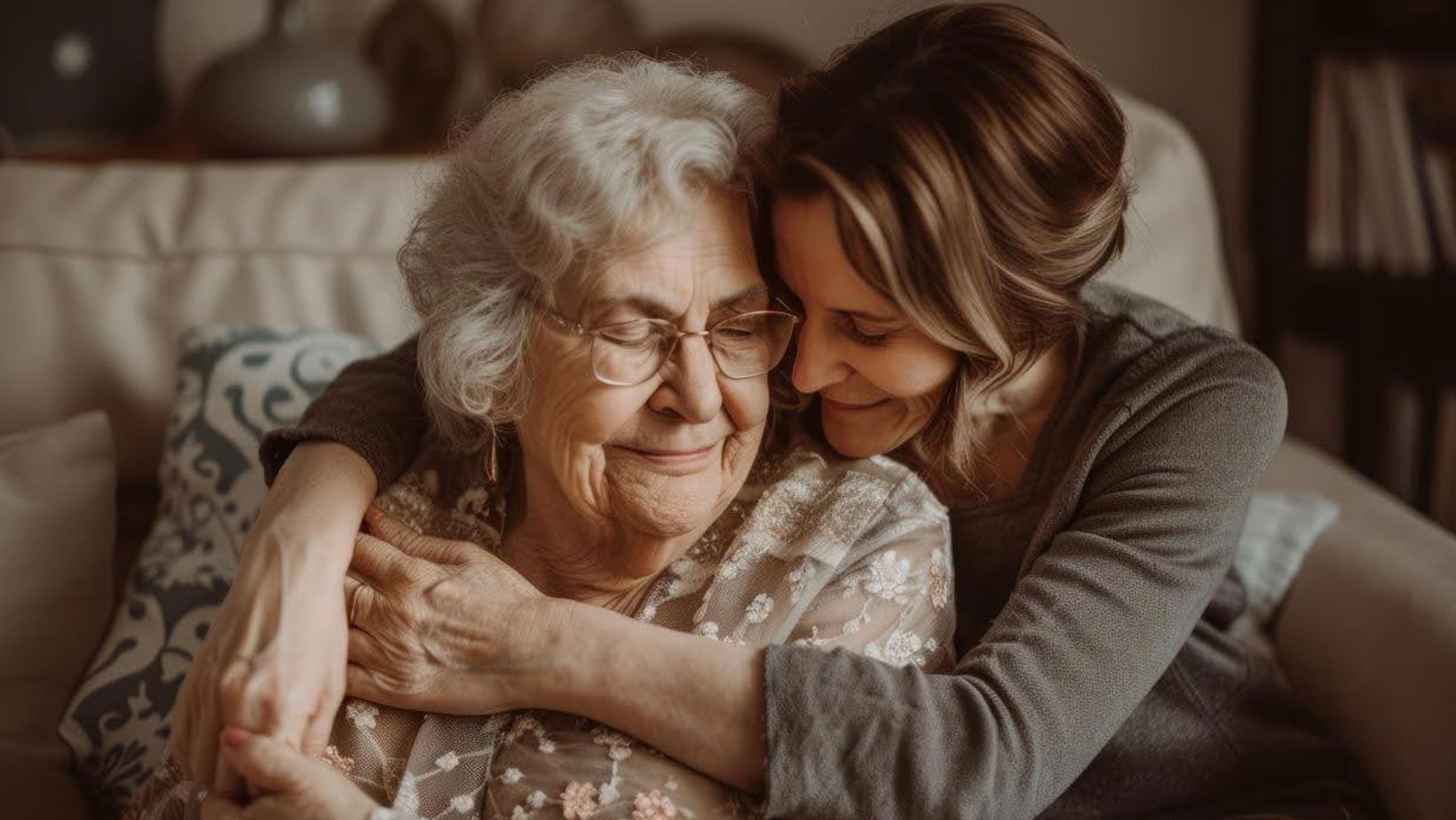
Caring for an older adult or a loved one with long-term health needs often begins with practical questions about medication, safety, and mobility. Very quickly, though, most families realise that emotional well-being matters just as much as physical care.
Homecare sits at the centre of that conversation. Receiving support in a familiar environment does more than make life convenient. It can protect identity, strengthen relationships, and create a calmer day to day experience for everyone involved.
Below are some of the key emotional benefits of homecare, and why they matter for both older adults and their families.
Comfort of Familiar Surroundings
Home is full of memories, habits, and small details that give people a sense of continuity. Photographs, favourite chairs, the view from a window, even the sound of the kettle in the kitchen, can act as emotional anchors.
When care is delivered at home, individuals can often remain in this familiar environment rather than adjusting to a new setting. Public health guidance on aging at home describes how staying in one’s own home, with the right support, helps many older adults feel safer and more settled, which in turn supports emotional well-being.
Homecare organisations such as 365 Health Services work within that existing environment. Support is brought into the person’s life rather than asking them to uproot, which often feels more respectful of their history, routines, and sense of self.
Greater Sense of Independence
One of the most powerful emotional benefits of homecare is its protection of a person’s independence. Even when someone needs help with washing, dressing, or meals, they can still make many of their own choices.
At home, people can usually decide what time to get up, which clothes to wear, or how they would like their day to flow. Caregivers can fit their visits and tasks around these preferences. This balance between support and autonomy helps preserve confidence and self-worth, and reduces the feeling of “everything being taken over” that some people associate with more institutional settings.
For family members, seeing a loved one remain active in their own decisions can also ease worries about loss of control or rapid decline.
Stronger Emotional Connection With Loved Ones
Emotional health is closely linked to feeling connected to other people. In later life, that connection often comes from family, friends, and neighbours rather than large social events.
Homecare makes it easier to preserve these relationships. Visits feel more natural and flexible when they happen in a familiar living room or garden. Grandchildren can drop by after school, friends can share a cup of tea, and neighbours can keep up their usual conversations over the fence.
Social connection is also a core part of emotional health. Loneliness and withdrawal can worsen symptoms, while regular contact supports resilience and a sense of belonging.
Reduced Stress and Anxiety
Major transitions can be stressful at any age. Moving into a care home, adapting to institutional routines or sharing space with many unfamiliar people can heighten anxiety, especially for someone already coping with illness, pain, or cognitive change.
Homecare can reduce many of these stressors. The person keeps their own bedroom, bathroom, kitchen, and daily rhythms. New elements are introduced more gradually, such as a caregiver visiting at the same time each day or small adjustments to the home to improve safety.
This sense of predictability lowers the mental load of constant adaptation. When the environment feels stable, it becomes easier to cope with medical appointments, symptoms or unexpected setbacks. Family caregivers may also feel calmer when they know support is coming into the home rather than managing a complex move.
More Personalised Attention
In a homecare setting, support is usually provided one-to-one or in a very small group. That makes it easier for caregivers to get to know the person as an individual, not just a list of tasks.
Over time, many caregivers learn how someone likes their tea, which topics they enjoy talking about, what calms them when they are unsettled, or how to encourage them on difficult days. This level of personalised attention can create a strong sense of being seen and understood.
From an emotional point of view, that matters a great deal. Feeling listened to and treated as a whole person rather than a patient helps people relax, open up about worries, and build trust. For some, a regular caregiver becomes a key companion, especially if family members live far away.
Preservation of Dignity
Dignity is closely tied to emotional health. It involves privacy, respect, and being able to participate in decisions about one’s own life.
Homecare can support dignity in several ways. Personal care happens in familiar rooms, often with more control over who is present and how tasks are carried out. The person can be involved in planning their care, even if they need support to manage the details.

Understanding the difference between mental and emotional health also highlights why dignity matters. Mental health is influenced by factors such as diagnosis, treatment and brain function, while emotional health relates to how we process and express feelings. Being treated respectfully, listened to, and included in decisions supports both, especially when life circumstances are changing.
When dignity is preserved, people are more likely to speak up about pain, fears or preferences. That, in turn, helps caregivers and family members respond in a way that feels collaborative rather than imposed.
Improved Overall Mood
All of these elements, comfort, independence, connection, lower stress, personalised support, and dignity, overlap and reinforce one another. Together, they create conditions where a more stable, positive mood is possible, even when health challenges are significant.
Someone who feels safe at home, surrounded by meaningful relationships and involved in their own care, is more likely to experience days filled with small pleasures rather than constant distress. That might mean looking forward to a regular walk, feeling proud of managing certain tasks independently, or simply enjoying familiar music in the background while a caregiver prepares lunch.
For families, seeing a loved one more at ease can bring its own emotional benefits. It may ease guilt, reduce conflict around care decisions, and create space for more meaningful time together rather than focusing only on crises.
In practice, the emotional benefits of homecare are not separate from physical or practical outcomes. They are woven into every part of daily life, shaping how people experience ageing, illness, and support. When these emotional needs are recognised and respected, homecare can become not just a way to “manage” later life, but a way to live it with as much comfort, connection, and dignity as possible.












Discussion about this post