
Depression is not just feeling sad. It drains your energy, disrupts your sleep, and makes even the simplest tasks feel impossible. Many people with depression struggle to get out of bed, connect with their family, or focus at work. Over time, the weight of untreated depression can damage relationships, careers, and overall quality of life. The pain is real, and it deserves real answers.
When antidepressants do not work or cause intolerable side effects, patients start searching for better options. Many seek minimally invasive solutions that offer lasting relief without sedation, surgery, or extended downtime. If you are looking for a TMS Treatment for Depression in Texas, TMS Therapy has emerged as one of the most promising breakthroughs for people who have not found success with traditional treatments. It offers new hope for those who felt they had run out of choices.
At The Center For Integrative Psychiatry, Dr. Tahir Khwaja brings years of specialized expertise in treating depression with advanced, evidence-based care. Our practice combines cutting-edge TMS technology with a deeply compassionate, patient-first approach. We take the time to understand your unique history, symptoms, and goals. Our mission is to help every patient achieve meaningful, long-lasting recovery with a treatment plan built specifically for them.
What Is TMS Therapy for Depression?
Transcranial Magnetic Stimulation, commonly known as TMS, is a non-invasive brain stimulation therapy. It uses precisely targeted magnetic pulses to activate areas of the brain that become underactive during depression. These pulses stimulate neural pathways, helping the brain restore normal mood regulation over time.
TMS is FDA-cleared and has been proven effective through extensive clinical research. Unlike electroconvulsive therapy (ECT), TMS does not require anesthesia or sedation. Patients remain awake and alert during each session. Most people return to their daily activities immediately after treatment without any restrictions.
How TMS Works in the Brain
Depression is linked to reduced activity in the prefrontal cortex, the region responsible for mood, decision-making, and emotional regulation. TMS delivers magnetic pulses directly to this area, encouraging neurons to fire and reconnect. Over a course of treatment, this repeated stimulation helps rebuild healthier brain activity patterns.
The process is similar to physical therapy for the brain. Just as muscles rebuild strength through repeated exercise, the brain responds to consistent stimulation by forming stronger, more balanced neural connections. This is why TMS therapy produces gradual but lasting improvements in mood and function.
What to Expect During a TMS Session at TMS Dallas
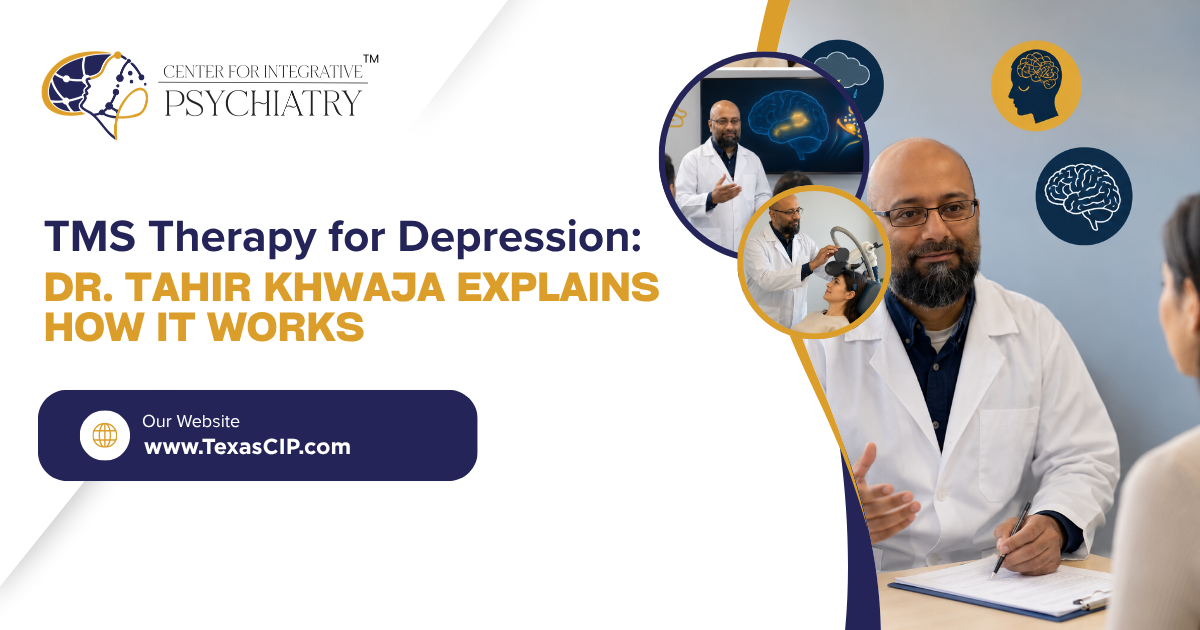
Your TMS session at our TMS Dallas clinic is straightforward and comfortable. You will sit in a reclined chair while a trained technician positions the magnetic coil near your scalp. You may feel a light tapping sensation during the session. Each appointment typically lasts 20 to 40 minutes depending on your protocol.
Most TMS treatment courses consist of 36 sessions completed over several weeks. Your care team will monitor your progress throughout and adjust your plan as needed. Many patients begin noticing improvements in mood, sleep, and energy within the first few weeks of treatment.
TMS Treatment for Depression in Texas: Success Rate and Outcomes
One of the most common questions patients ask is about the TMS Treatment for Depression in Texas success rate. Clinical studies consistently show that TMS produces significant improvement in about 50 to 60 percent of patients with treatment-resistant depression. Around one-third of those patients achieve full remission.
These outcomes are particularly meaningful because TMS is typically recommended for patients who have already tried two or more antidepressant medications without adequate relief. For this group, the response rates represent a life-changing improvement in quality of life and daily functioning.
At The Center For Integrative Psychiatry, we carefully evaluate each patient before recommending TMS. We review your psychiatric history, prior treatments, and current symptoms to determine whether TMS is the right fit. This personalized evaluation is one reason our patients consistently experience strong outcomes.
Factors That Influence TMS Outcomes
Is TMS Therapy right for you?
TMS therapy is most commonly recommended for adults with major depressive disorder who have not responded adequately to antidepressant medications. It is also a strong option for patients who experience significant side effects from medications such as weight gain, sexual dysfunction, or emotional blunting.
TMS is not appropriate for everyone. Patients with certain metal implants in or near their head, such as cochlear implants or aneurysm clips, are generally not candidates. Dr. Khwaja will conduct a thorough evaluation to determine whether TMS is safe and appropriate for your specific situation.
Conditions TMS Can Help
TMS Mental Health Treatment in Texas: Accessible Expert Care
Our practice serves patients throughout the Dallas-Fort Worth metroplex. Whether you are searching for a TMS Therapy Specialist in Texas or TMS Mental Health Treatment in Texas, our centrally located facility provides convenient access to expert psychiatric care without the long wait times common in larger hospital systems.
Dr. Khwaja and his team understand that seeking mental health treatment requires courage. We make every effort to create a welcoming, stigma-free environment where you feel heard, respected, and supported from your very first visit. You will never feel rushed or reduced to a diagnosis.
Why Patients Choose The Center For Integrative Psychiatry
What Happens After TMS Treatment?
Most patients notice gradual improvement beginning around weeks two to four. The full benefit of TMS often becomes apparent two to four weeks after completing the entire treatment course. Some patients feel better during treatment itself, while others see the biggest gains in the weeks that follow.
After completing TMS, many patients experience sustained relief that lasts for months or longer. Some patients return for maintenance sessions periodically to preserve their gains. Dr. Khwaja will create a long-term care plan that supports your continued wellness well beyond the initial treatment course.
Lifestyle Tips to Support Your TMS Recovery
Conclusion
TMS therapy for depression has changed the treatment landscape for patients who once felt they had no options left. It is non-invasive, well-tolerated, and backed by decades of clinical research. For patients in the Dallas-Fort Worth area struggling with treatment-resistant depression, TMS offers a genuine path toward lasting relief and a better quality of life.
At The Center For Integrative Psychiatry, Dr. Tahir Khwaja provides personalized, expert TMS Therapy Specialist in Texas care with a compassionate touch. Whether you are searching for TMS Treatment for Depression in Texas or TMS Mental Health Treatment in Texas, our team is ready to help you take the next step. Contact our office today to schedule your consultation and find out if TMS is right for you.
Ready to Start Your TMS Journey? Schedule a Consultation Today
If you or a loved one is struggling with treatment-resistant depression, you do not have to keep searching for answers alone. TMS therapy has helped thousands of patients reclaim their lives — and it could do the same for you. At The Center For Integrative Psychiatry, Dr. Tahir Khwaja and his team are ready to guide you every step of the way.
Do not wait another day to take the first step toward lasting relief. Contact our office now to schedule your personalized TMS consultation. Our team will review your history, answer every question, and create a treatment plan built specifically for you.
Texas Center for Integrative Psychiatry
Physician: Dr. Tahir Khwaja, MD
Phone: (972) 212-5068
Email: [email protected]
To schedule an appointment, visit: https://texascip.com/book-appointment/
FAQs About TMS Therapy for Depression
1. What is TMS therapy for depression?
TMS stands for Transcranial Magnetic Stimulation. It is a non-invasive procedure that uses magnetic pulses to stimulate underactive areas of the brain linked to depression. It is FDA-cleared and does not require medication, anesthesia, or surgery.
2. What is the TMS Treatment for Depression in Texas success rate?
Clinical research shows that about 50 to 60 percent of patients with treatment-resistant depression experience meaningful improvement with TMS. Approximately one-third achieve full remission. Results vary based on individual history and treatment consistency.
3. How long does a TMS treatment course last?
A standard TMS course consists of 36 sessions completed over six to nine weeks. Each session lasts 20 to 40 minutes. Your psychiatrist may adjust the number of sessions based on your individual response and progress.
4. Does TMS therapy hurt?
Most patients describe a light tapping or clicking sensation on the scalp during treatment. Some people experience mild headaches after the first few sessions. These sensations typically diminish as treatment continues. There is no pain during or after the session for the majority of patients.
5. Who is a good candidate for TMS therapy?
TMS is typically recommended for adults with major depressive disorder who have not responded adequately to at least one antidepressant medication. It is also appropriate for those who cannot tolerate medication side effects. A psychiatric evaluation is required before starting treatment.
6. Is TMS therapy covered by insurance?
Many major insurance plans cover TMS when it is medically necessary, typically requiring documented failure of prior antidepressant trials. Our staff at The Center For Integrative Psychiatry will verify your coverage before treatment begins so you understand your benefits.
7. How soon will I notice results from TMS?
Many patients begin noticing improvements in mood, sleep, and energy within the first two to four weeks of treatment. The full benefit of TMS often becomes most apparent two to four weeks after completing the entire course of sessions.
8. Can I return to work after a TMS session?
Yes. TMS does not require sedation or downtime. You can drive yourself to and from appointments and return to work, school, or other activities immediately after each session. There are no restrictions on daily activities.
9. Are there any side effects of TMS therapy?
TMS is generally very well tolerated. The most common side effects are mild scalp discomfort and headaches in the first week of treatment. Serious side effects such as seizures are extremely rare. TMS does not cause the systemic side effects associated with antidepressant medications.
10. How do I get started with TMS therapy in Dallas or Fort Worth?
Contact The Center For Integrative Psychiatry to schedule a consultation with Dr. Tahir Khwaja. During your initial visit, Dr. Khwaja will review your psychiatric history, evaluate your symptoms, and determine whether TMS is the right treatment for you. We serve patients across the Dallas-Fort Worth metroplex. Visit us at 580 S Denton Tap Rd Suite 280, Coppell, TX 75019 or 17480 Dallas Pkwy, Suite 125, Dallas, TX 75287, or call us at +1 (972) 212-5068.
This content is for educational purposes only and should not be considered medical advice.












Discussion about this post