

Many people worry about keeping their teeth healthy. It can feel hard to know if you are doing enough to prevent cavities or gum disease.
Dentists use special tools that help catch problems early. For example, digital X-rays find issues before they get worse.
This blog will show you what tools dental professionals trust for better preventive care. You will see how these tools protect your oral health, make checkups easier, and keep small problems from turning big.
Keep reading to discover which dental devices really make a difference.
Diagnostic Tools for Early Detection
Dentists use smart diagnostic tools to spot problems early. These devices help find issues before they cause pain or bigger health concerns.
Digital X-rays
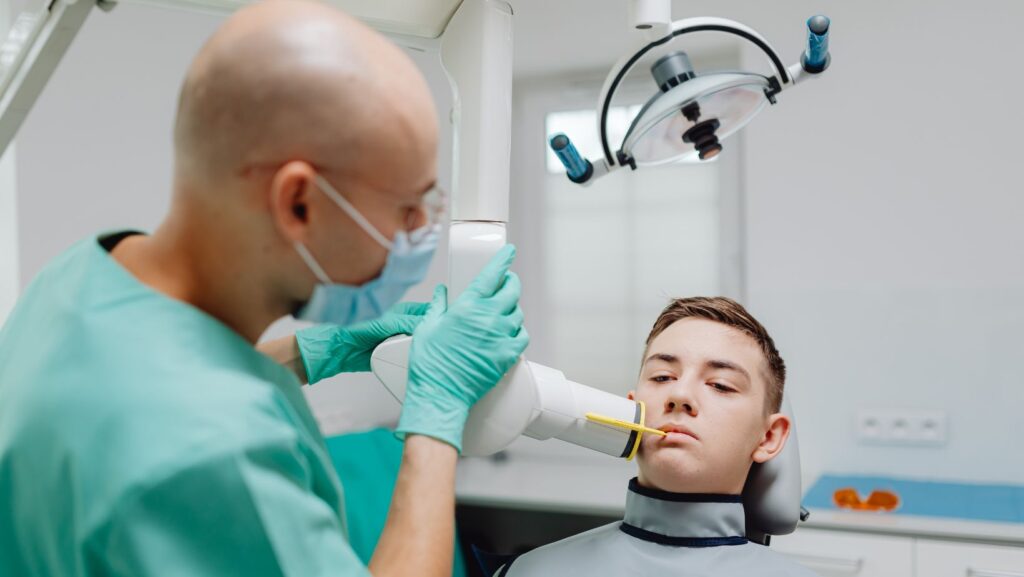
Digital X-rays use less radiation than old film X-rays. They show clear pictures of teeth, bones, and gums almost right away. Dental professionals can spot tiny cavities or hidden problems early with digital imaging.
This helps improve oral health and makes treatment planning much easier.
Many clinics choose digital X-rays for preventive care because they are safer for patients and better for the environment. Images store easily on computers, so dentists can compare changes over time or share them quickly with other specialists if needed.
Digital radiography gives us a sharper image with lower exposure to our patients, says Dr. Janet Hall of Smile Clinic in Chicago.
Using this dental technology also engages patients more during visits; seeing their own images helps them understand diagnosis tools and treatment options better.
Intraoral Cameras
After digital X-rays, intraoral cameras play a key role in dental care. These small cameras fit inside the mouth and capture clear images of teeth and gums. Dentists use them to find problems that might be hard to see with just the eye.
Intraoral cameras help patients understand their oral health better. They can see what the dentist sees on a screen. This visual aid makes it easier for dentists to explain issues and treatment plans.
With these tools, patient engagement improves, leading to better preventive care outcomes.
Tools for Professional Cleaning and Plaque Removal
Dental professionals use special tools to clean teeth and remove plaque. These tools help keep smiles bright and healthy.
Ultrasonic Scalers
Ultrasonic scalers help clean teeth during dental visits. They use high-frequency vibrations to break down plaque and tartar. This tool makes the cleaning process faster and more effective.
It can reach areas that are hard to clean with traditional tools. Patients often find ultrasonic scaling less uncomfortable than other methods.
Fluoride varnish cups are often utilized during checkups to provide an added layer of protection against tooth decay.
These devices also use a water spray to cool the tip while cleaning. The spray helps wash away debris, keeping the mouth clear during treatment. Many dental professionals rely on ultrasonic scalers for their efficiency in promoting oral health through preventive care practices.
Air Polishing Systems
Air polishing systems are modern tools used for cleaning teeth. They use a mix of air, water, and fine powder to remove plaque and stains. This method is quick and comfortable for patients.
These systems can clean hard-to-reach areas that traditional methods may miss. Many dental professionals choose air polishing because it helps improve oral health effectively. It makes preventive care easier for both the dentist and the patient.
Preventive Treatment Tools
Preventive treatment tools help keep teeth safe. They aid in applying sealants and fluoride, which strengthen enamel and prevent cavities.
Sealant Application Instruments
Sealant application instruments help protect teeth from decay. These tools apply a thin layer of sealant on the chewing surfaces of back teeth. Sealants fill in tiny grooves and cracks where food can hide.
This simple step keeps cavities away, especially in children.
Dental professionals use special brushes and applicators for this process. Some advanced devices even offer quick curing with light technology. These methods make it easier to ensure effective coverage on each tooth surface.
Now, let’s explore fluoride treatment devices that also play a key role in preventive care.
Fluoride Treatment Devices
Fluoride treatment devices help protect teeth from decay. These tools apply fluoride directly to the teeth. Fluoride strengthens enamel and makes it harder for cavities to form. Many dental offices use trays or varnishes for these treatments.
Some devices use a gel that patients wear in their mouths for a short time. Others spray fluoride onto the tooth surface quickly and easily. Both methods are effective at improving oral health and preventing issues down the line.
Regular use of fluoride treatments is an essential part of preventive care in dentistry.
Advanced Technologies for Preventive Care
Advanced technologies help dentists keep your smile healthy. Laser tools and smart software make check-ups faster and more accurate.
Laser Dentistry Tools
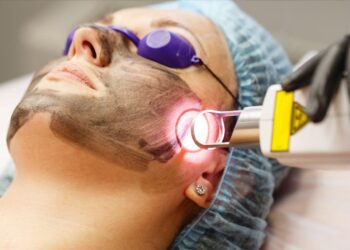
Laser dentistry uses light energy to treat soft and hard tissues in the mouth. These tools help dentists perform procedures with accuracy. They can reduce discomfort and speed up healing times for patients.
Lasers are beneficial for tasks like cutting gums or removing decay from teeth. They also aid in teeth whitening procedures, making them more effective. Many dental offices now use these advanced tools as part of their preventive care approach, enhancing oral health for patients.
AI-Powered Diagnostic Software
AI-powered diagnostic software helps dental professionals spot issues early. This technology analyzes digital images quickly and accurately. It reduces the chances of missing a problem like cavities or gum disease.
AI can also suggest treatment plans based on the analysis.
Using this tool makes it easier to engage patients in their care. They can see clear reasons for treatments and preventive measures. The software supports better decision-making for dentists and enhances patient trust in their care plan.
Next, we will explore tools used for professional cleaning and plaque removal.
Conclusion
Dental professionals use many tools to boost preventive care. These tools help find problems early and keep smiles healthy. From digital X-rays to laser devices, each aids in better treatment planning.
Improved technology means better oral health for everyone. With the right instruments, dentists can engage patients and make dental visits more effective and enjoyable.










Discussion about this post