
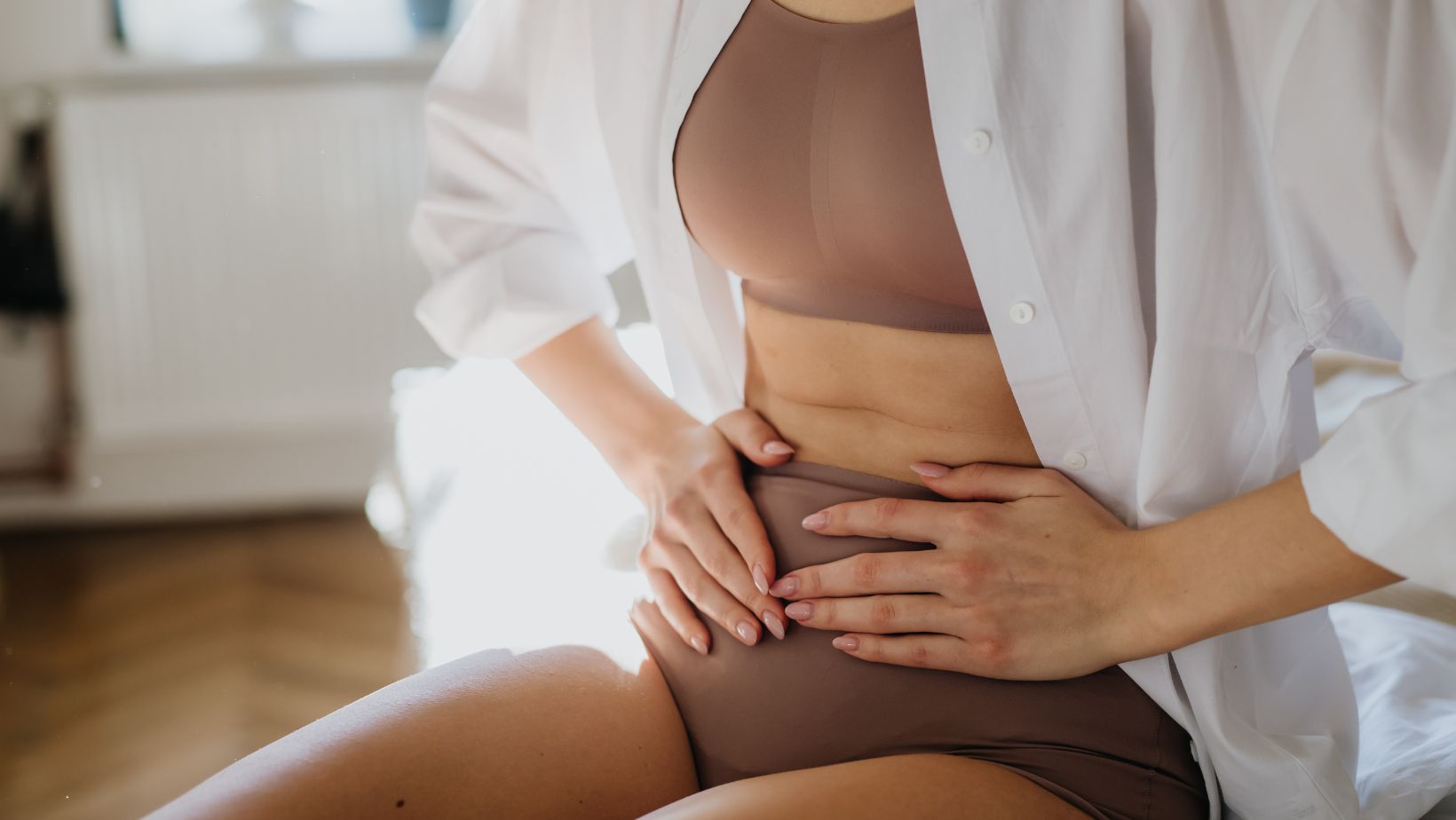
Uterine fibroids are noncancerous growths that form in or on the uterus. They are very common, especially among women of reproductive age, and while many fibroids do not cause symptoms, others can lead to heavy menstrual bleeding, pelvic pain, bloating, and even fertility challenges.
The good news is that treatment options for fibroids have advanced significantly over the years. Today, women no longer have to settle for a one-size-fits-all approach. Instead, they can explore a wide range of therapies designed to fit their lifestyle, fertility goals, and preferences. For women seeking advanced care, specialized centers offering uterine fibroid treatment in El Paso provide personalized solutions that bring relief and restore quality of life.
When Do Fibroids Require Treatment?
Not all fibroids require medical intervention. Some women may never notice they have them, and in many cases, fibroids shrink naturally after menopause. However, when fibroids cause disruptive symptoms such as:
- Excessively heavy or prolonged periods
- Chronic pelvic pain or pressure
- Frequent urination from pressure on the bladder
- Difficulty conceiving or complications during pregnancy
…it’s time to consider treatment. The type of treatment chosen will depend on the severity of symptoms, the size and location of the fibroids, and whether the patient wishes to preserve fertility.
Non-Surgical and Medical Treatments
For women with mild to moderate symptoms, medications may provide an effective first step in treatment.
- Hormone-regulating medications can shrink fibroids temporarily and reduce heavy bleeding. These treatments often help manage symptoms, though they are not considered permanent solutions.
- Intrauterine devices (IUDs) with hormones may ease bleeding and cramping, offering a non-invasive way to improve quality of life.
- Non-hormonal medications such as anti-inflammatory drugs can reduce pain and discomfort, making menstrual cycles more manageable.
While medication doesn’t eliminate fibroids, it can be an excellent option for women seeking symptom control without surgery.
Minimally Invasive Options
Many women today are choosing minimally invasive treatments that provide long-term relief without the need for large incisions or extended recovery times.
Uterine Fibroid Embolization (UFE)
This innovative procedure blocks the blood supply to fibroids, causing them to shrink over time. UFE is performed through a small incision in the groin or wrist, and most patients return home the same day. It offers significant relief from bleeding and pressure with minimal downtime.
Focused Ultrasound Therapy
This non-invasive option uses high-frequency ultrasound waves to target fibroid tissue, guided by advanced imaging technology. It destroys fibroid tissue without harming surrounding structures and is performed as an outpatient procedure.
Radiofrequency Ablation
With this method, energy is delivered directly to the fibroid, shrinking it from within. It is performed laparoscopically or transcervically, leaving no large scars and offering a quick recovery.
These minimally invasive solutions are ideal for women who want effective treatment while avoiding the risks of traditional surgery.
Surgical Options
For some women, surgery may be the best approach. This is particularly true when fibroids are very large, numerous, or when fertility preservation is a priority.
- Myomectomy removes fibroids while keeping the uterus intact. This is often the treatment of choice for women who want to maintain the ability to become pregnant. In some cases, pairing this approach with IVF treatment can improve conception chances for women whose fertility has been affected by fibroids.
- Hysterectomy is the only permanent cure for fibroids. By removing the uterus, the chance of recurrence is eliminated. This option is typically recommended for women who have completed childbearing and are seeking a definitive solution to their symptoms.
Advances in surgical techniques, such as robotic-assisted surgery and laparoscopic procedures, have made these options safer and faster, with shorter recovery times compared to the past.
Lifestyle and Self-Care Approaches
In addition to medical and surgical treatments, lifestyle changes can help women manage fibroid symptoms more effectively. Maintaining a healthy weight, eating a balanced diet rich in fiber and low in processed foods, and engaging in regular exercise may reduce the severity of symptoms. Stress management techniques, such as yoga or meditation, can also provide relief from discomfort and improve overall well-being.
While lifestyle changes alone cannot shrink fibroids, they can make other treatments more effective and support long-term health.
Choosing the Right Treatment
The decision about how to treat fibroids is deeply personal and should be made in consultation with a specialist. Factors such as age, family planning goals, the severity of symptoms, and personal preferences all play a role. For women hoping to conceive in the future, discussions may include how fibroid care aligns with potential fertility treatments.

What is most important is that women today have choices. Whether through medication, minimally invasive therapies, or surgery, modern medicine offers multiple paths to relief.
The Bottom Line
Uterine fibroids are a common health concern, but they don’t have to control your life. With today’s wide range of treatment options, women can find personalized care that addresses their symptoms and supports their lifestyle goals.
If you’re struggling with fibroids, don’t wait to seek help. Specialized centers offering Uterine Fibroid Treatment El Paso provide advanced therapies that can help you regain comfort, improve your quality of life, and move forward with confidence.









Discussion about this post