
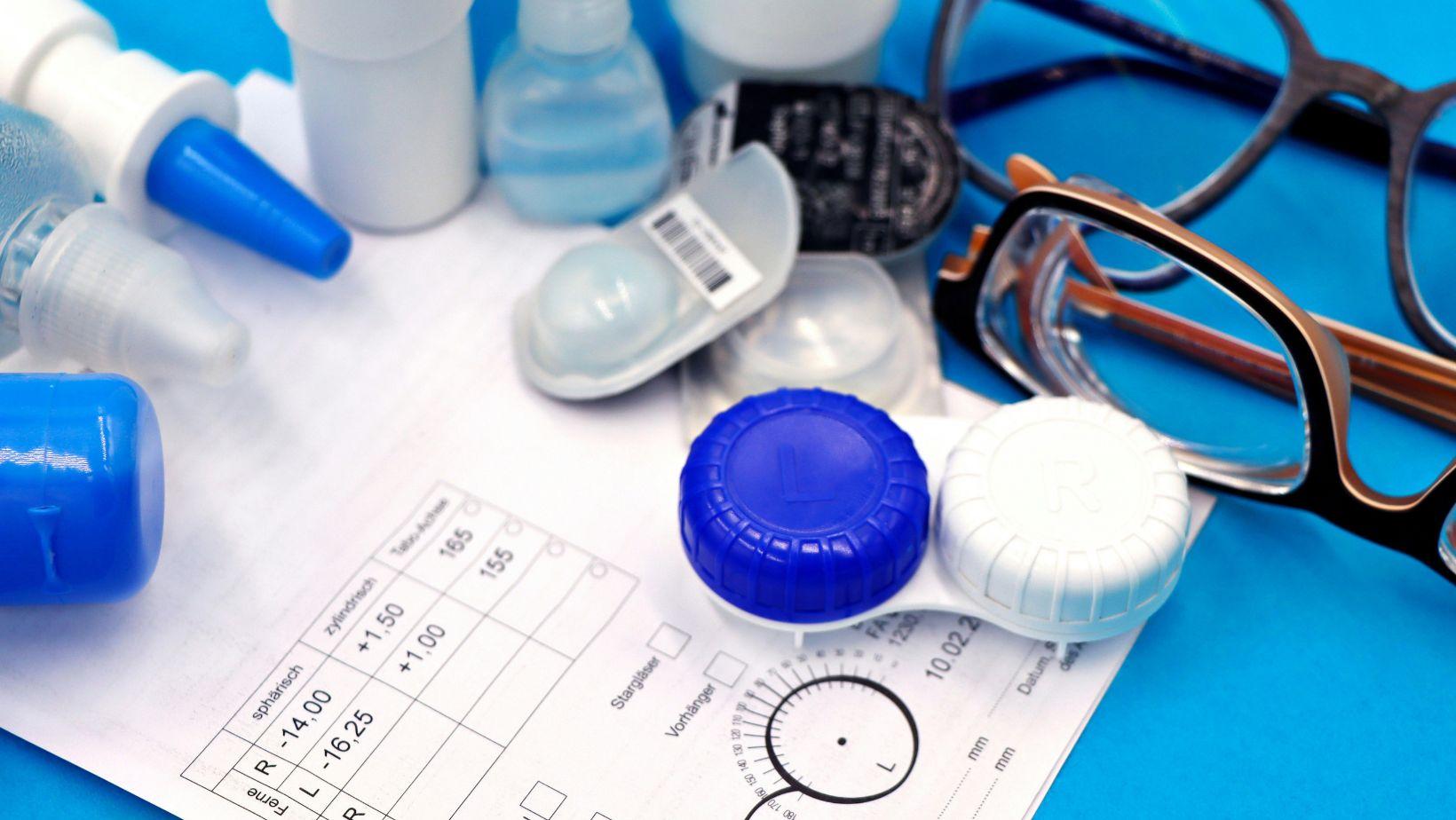
Dr. James C. Loden, from Loden Vision Centers, explains that choosing between glasses, contacts, and a procedure is not only about which option gives the sharpest vision. For people researching LASIK eye surgery in Nashville or simply wondering whether their current setup still fits their life, the better question is often this: which form of vision correction matches your eyes, your health, and your daily routine?
Glasses, contacts, and laser vision correction can all help correct refractive errors, which are common focusing problems such as nearsightedness, farsightedness, and astigmatism. The difference is not just how they correct vision. It is how much maintenance they require, how they feel day to day, what risks they carry, and whether your eyes are good candidates for each option.
There is no universal “best” choice. A person who loves the simplicity of glasses may not want the upkeep of contacts. Someone who plays sports or works long shifts may find contacts more convenient. Another person may be interested in reducing dependence on both. A useful comparison starts with real life, then moves into eye health and medical suitability.
Start with how your vision correction fits your daily life
The first question is not medical. It is practical.
How do you use your eyes during a normal week? Do you spend long hours at a computer? Drive at night? Work outdoors? Exercise often? Travel? Wear safety equipment? Deal with dry eyes? Lose glasses constantly? Forget contact lens solution?
These details matter because vision correction is something you live with every day.
Glasses are simple and low-maintenance. They do not touch the eye, which makes them a good fit for many people who have dryness, allergies, or difficulty handling lenses. They can also be removed easily when not needed. The trade-off is that they can fog, slip, break, get misplaced, interfere with some activities, and limit peripheral vision depending on the frame and prescription.
Contacts sit directly on the eye, so they can feel more natural for sports, active work, or situations where frames are inconvenient. They can also provide a wider field of view than glasses. But they require careful hygiene because contact lenses are medical devices, and improper wear or storage can increase the risk of eye infections, including microbial keratitis [1].
Laser vision correction changes the comparison because it aims to reduce dependence on external correction. Procedures such as LASIK reshape the cornea, the clear front surface of the eye, so light focuses more accurately on the retina. That can be appealing for people who are tired of glasses or contacts. Still, it is surgery, and candidacy matters. The decision should be based on an exam, not convenience alone [3].
A helpful way to compare the options is to think in categories:
- Daily convenience
- Comfort
- Cost over time
- Maintenance
- Safety and hygiene
- Prescription stability
- Eye health
- Long-term flexibility
The right answer may change over time. A person may prefer contacts in their twenties, glasses during a period of dry eye, and laser vision correction later if they become a good candidate. Vision correction is not a one-time identity. It is a tool, and tools should fit the job.
What glasses do well, and where they can feel limiting
Glasses remain the simplest form of vision correction for many adults. They are easy to use, easy to update, and do not require touching the eye. For people who have dry eye symptoms, recurrent eye irritation, or trouble tolerating contacts, glasses may be the most comfortable option.
They are also flexible. You can have different pairs for different needs: distance, reading, computer work, progressive lenses, sunglasses, or safety glasses. If your prescription changes, lenses can usually be updated without changing your whole routine.
From a medical standpoint, glasses have an important advantage: they do not increase infection risk by sitting on the eye. They can also provide some physical protection from wind, dust, or minor debris, though regular eyeglasses are not a substitute for certified protective eyewear when doing hazardous work or sports.
The limitations are mostly practical. Glasses can fog in cold weather, shift during exercise, interfere with helmets or masks, and become frustrating in rain or humid conditions. Some people dislike the way they look in frames. Others find that strong prescriptions make lenses thick, heavy, or visually distorted at the edges.
Glasses can also become inconvenient for people whose daily activities demand more movement. Athletes, healthcare workers, construction workers, performers, frequent travelers, and parents chasing small children may all have reasons to want another option.
Still, “limiting” does not mean inadequate. For many people, glasses are safe, effective, and predictable. The question is whether they still fit your day.
When contacts make sense, and what they require
Contacts often appeal to people who want a clear vision without frames. They can be useful for sports, exercise, active jobs, social events, and situations where glasses feel inconvenient. They may also help some people with higher prescriptions or certain prescription differences between the eyes, depending on the case.
But contacts are not maintenance-free.
The CDC emphasizes that contact lenses must be worn and cared for properly to reduce the risk of eye infections. That includes washing and drying hands before handling lenses, cleaning and storing lenses as directed, replacing the lens case regularly, and avoiding unsafe habits such as sleeping in lenses unless specifically prescribed [1].
This is where the comparison becomes honest. Contacts can be convenient once they are in, but they require discipline before and after wear.
They may not be ideal for everyone. People with significant dry eye, allergies, frequent eye irritation, irregular corneas, or repeated infections may struggle with contact lens comfort or safety. Some people tolerate daily disposable lenses better than reusable lenses, but that depends on the eye, prescription, budget, and doctor’s recommendation.
Contacts can also hide small problems until they become more irritating. Eye pain, redness, blurred vision, light sensitivity, excessive tearing, or discharge while wearing contacts should not be brushed off. CDC guidance advises removing contact lenses and calling an eye doctor if those symptoms occur [2].
For the right person, contacts can be an excellent option. They just need to be treated like medical devices, not casual accessories.
How laser vision correction changes the comparison
Laser vision correction is different because it is not something you put on in the morning. It is a procedure designed to change how the eye focuses light.
LASIK is the best-known option. During LASIK, a surgeon creates a thin corneal flap and uses a laser to reshape corneal tissue underneath. Other procedures, such as PRK or SMILE, use different techniques and may be considered depending on eye anatomy, prescription, lifestyle, and surgeon evaluation. The American Academy of Ophthalmology describes LASIK as a procedure that can correct nearsightedness, farsightedness, and astigmatism, but it also notes possible risks such as dry eye, glare, halos, double vision, and reduced night vision in some patients [3].
That is why candidacy is central. A patient’s prescription, corneal thickness and shape, tear film, pupil size, age, medical history, medications, and expectations all matter. Stable vision is also important. If your prescription is still changing, surgery may not be the right next step yet.
Laser vision correction may be attractive for people who want less dependence on glasses or contacts. It can simplify exercise, travel, outdoor activities, and daily routines. But it does not eliminate the need for eye care. People may still need reading glasses later in life due to presbyopia, the normal age-related loss of near focusing ability. Some may still need glasses for certain tasks. Others may not be candidates at all.
The FDA advises patients to understand both benefits and risks before LASIK, including possible dry eye, glare, halos, and other visual symptoms [4]. That does not mean the procedure is wrong for every patient. It means the decision should be individualized and informed.
The uploaded company facts page describes the Nashville-area practice as specializing in modern vision correction surgery, including laser-based and lens-based vision correction, with services such as LASIK, PRK, SMILE, EVO ICL, cataract care, routine eye exams, dry eye treatment, glaucoma treatment, retina care, and comprehensive eye care [5]. In a comparison like this, that range matters because not every patient who wants freedom from glasses or contacts is best served by the same procedure.
A good consultation should help answer practical and medical questions:
- Is my prescription stable?
- Are my corneas healthy enough?
- Do I have dry eye that should be treated first?
- Am I a better candidate for LASIK, PRK, SMILE, EVO ICL, or no procedure?
- What risks are most relevant to my eyes?
- What should I realistically expect afterward?
- Will I still need glasses for reading or certain tasks?
The best choice is not the one that sounds most advanced. It is the one that fits the person.
Glasses, contacts, and laser vision correction each have a place. Glasses are simple and low-risk. Contacts offer flexibility but require careful hygiene. Laser vision correction may reduce dependence on both, but only after a thorough evaluation confirms that the eyes are suitable.
The decision becomes clearer when it is not framed as “Which option is best?” but “Which option is best for my eyes, my health, and the way I actually live?”










Discussion about this post