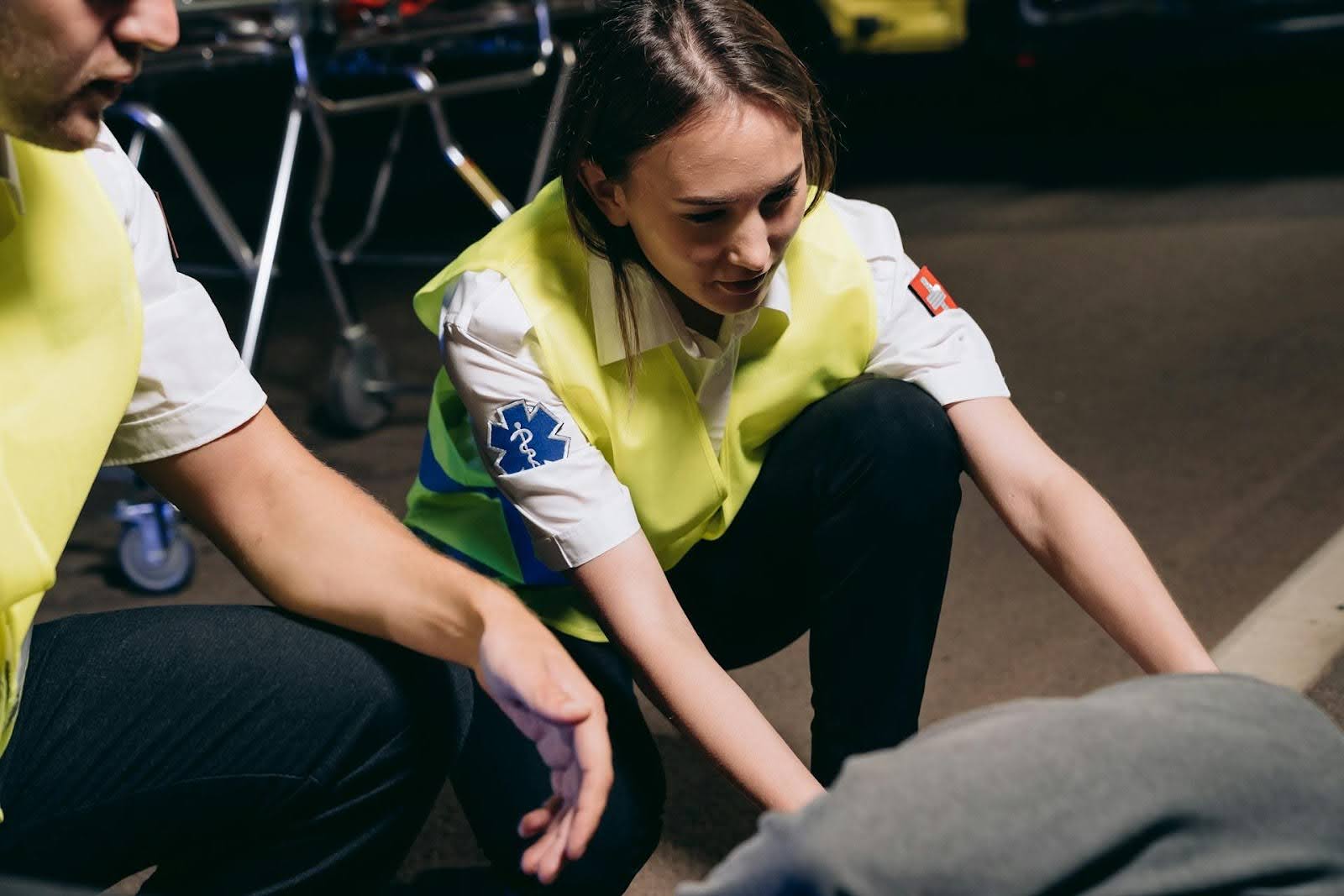
Being an EMT means staying calm under pressure, thinking fast, and delivering critical care when every second counts. But if you’re feeling the tug toward long-term patient care, professional growth, and greater financial stability, nursing could be the move you’re ready to make. Transitioning from EMT to RN doesn’t mean abandoning your mission—it means expanding it. Whether you’re driven by a desire for deeper clinical involvement or more predictable hours, nursing offers a clear path forward.
In this article, we’ll explore some reasons why nursing can be your next big career move.
Career Advancement Opportunities That Grow with You
As an EMT, you might feel limited by the scope of care you can provide or the ceiling on professional advancement. Nursing opens up a wide range of possibilities. Once you earn your RN license, you’re no longer confined to one type of environment. You can choose to specialize in pediatrics, critical care, labor and delivery, or mental health, to name a few. Beyond clinical practice, nurses often branch out into leadership, research, or education. You’ll also have the option to continue your studies and pursue advanced roles such as nurse practitioner or nurse anesthetist. This career ladder means that your growth doesn’t stop at becoming an RN—it only begins there.
Online Programs Make the Switch More Doable Than Ever
One of the biggest reasons EMTs hesitate to pursue nursing is the fear of leaving a steady job or juggling a tight schedule. But thanks to the rise of online and hybrid nursing programs, making the switch from EMT to nursing has become much easier. Many schools now offer EMT-to-RN bridge programs that allow you to complete coursework online while continuing to work. These programs are designed with flexibility in mind—perfect for someone used to unpredictable hours and long shifts. Some even allow you to complete clinical rotations locally, so you don’t have to relocate or pause your career entirely. This accessibility makes nursing not just a dream, but a realistic next step.
Better Compensation and Job Security

Let’s talk numbers. EMTs are essential, but their compensation often doesn’t reflect the intensity of their work. Registered nurses typically earn a much higher salary, along with better benefits like comprehensive health coverage, retirement plans, and tuition reimbursement. Beyond pay, there’s also strong demand. The nursing shortage in the U.S. continues to grow, and hospitals and clinics are always seeking qualified RNs. This translates to more job openings, greater bargaining power, and increased job stability. If you’re looking for a career where your skills are both valued and well-compensated, nursing checks those boxes.
You’ll Have More Time to Connect with Patients
One of the biggest differences between EMT work and nursing is the duration and depth of patient interaction. As an EMT, you provide life-saving interventions, but rarely see how your patients fare in the long run. Nursing gives you that continuity. You’re able to build relationships, track recovery, and witness the full arc of patient care. For many EMTs, this is a welcome shift. It brings more emotional satisfaction and allows you to be part of someone’s healing journey, not just the crisis.
More Predictable Schedules and Work Settings
Many EMTs are drawn to the fast pace and variety of their work, but the irregular hours and unpredictable calls can wear down even the most dedicated professionals. Nursing, while still demanding, offers far more scheduling options and settings. Hospitals, clinics, schools, outpatient centers, and even corporate environments hire RNs. You could choose to work full-time, part-time, or per diem. With experience, you may even transition into administrative or educator roles with regular daytime hours. While some nursing shifts are still long or overnight, the ability to move into a schedule that supports your lifestyle is one of the major advantages of the profession.
Your Emergency Skills Give You an Edge in Fast-Paced Units
EMTs have a level of composure and clarity under pressure that not every nursing student starts with. That experience becomes a major asset in areas like the emergency department, intensive care, or trauma units. You already know how to respond to rapid changes in a patient’s condition and how to communicate effectively in high-stress environments. That comfort with crisis makes you a strong candidate for units where quick decision-making and teamwork are vital. Many EMTs find they adjust to the hospital setting more easily than others because they’ve already lived through countless real-life emergencies.
Opportunities to Make a Lasting Impact
As an EMT, your role is critical—but often short-lived. You stabilize, transport, and hand off the patient. In nursing, your involvement doesn’t end after those first few minutes. You play an active role in the entire treatment journey—from admission to recovery. This means more time to educate patients, comfort families, and participate in care decisions. Nurses often serve as the bridge between doctors and patients, advocating for needs that may otherwise go unheard. If you’re looking for a career where your presence has a lasting effect on health outcomes and personal well-being, nursing gives you that ongoing connection.
Licensing and Certification: What to Expect
To become a registered nurse, you’ll need to complete an accredited nursing program and pass the NCLEX-RN exam. This process includes coursework in anatomy, pharmacology, patient care, and ethics, along with supervised clinical hours. Some states may have additional requirements, such as background checks or continuing education. While the path requires commitment, many former EMTs find the academic content easier to grasp thanks to their field experience. And you won’t be alone—most schools offer tutoring, test prep, and guidance throughout the licensing process. If you stay organized and committed, the RN license is well within reach.
Stepping into nursing from an EMT background isn’t a leap into the unknown—it’s a logical next step in a healthcare career. You’ve already proven your dedication, your ability to act under pressure, and your commitment to helping others. Nursing builds on all of that and rewards you with new challenges, more control over your work life, and expanded opportunities. With flexible programs, higher earning potential, and growing demand, now is a great time to move forward. If you’re ready to deepen your impact in patient care and shape a more sustainable future for yourself, becoming an RN could be the move that defines your next chapter.












Discussion about this post