
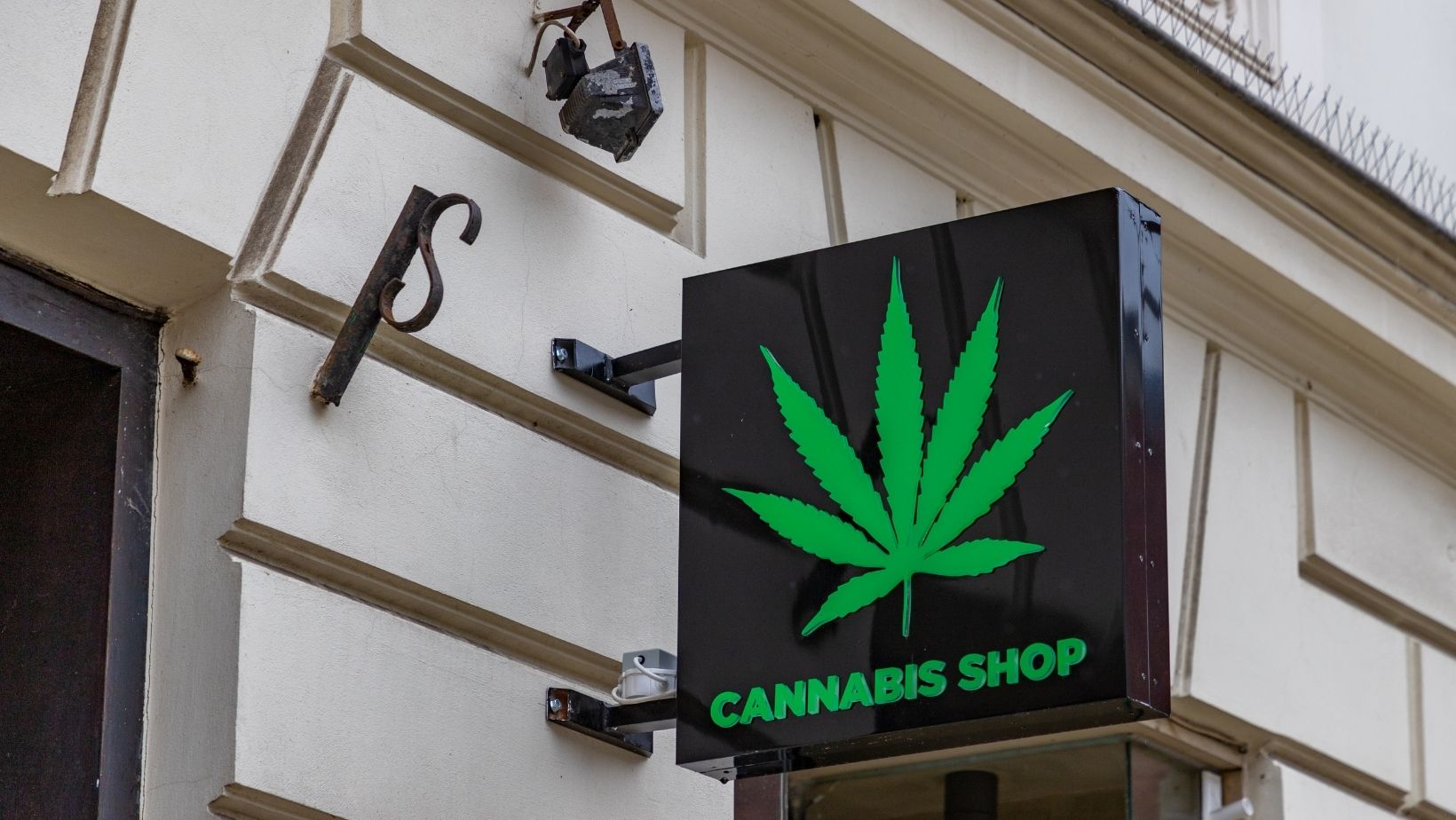
It’s not just the strength or price of the cannabis that affects how long customers take to decide. The way things are set up affects what shoppers see first, how fast they understand the categories, and if they feel calm enough to make a choice. When the space organically guides visitors, they compare fewer things, ask clearer questions, and buy things without second-guessing themselves. Customers circle, reread menus, and put off making selections, even if they came in with a plan,n when the space is perplexing. A good layout makes things easier, encourages staff to talk to each other, and ensures the experience is consistent from the door to the checkout. It affects privacy and how long people stay in each zone nowadays.
Layout Factors That Drive Faster Decisions
Entry Zone Signals And The First Minute
The entry area sets the pace for everything that follows, since it tells shoppers whether they are oriented or lost. Customers require a clear starting point, a clear check-in area, and a quick way to read the store map without stopping at the entryway. A short decompression zone is helpful because it gives people a few steps to get used to things and look around before they have to make decisions. Category cues are preferable to posters with many brands, since they make it easier for people to sort through their thoughts. Customers should be able to see the main menu and personnel positions so they can guess what will happen next. When that prediction is easy, the time it takes to make a decision goes down, since browsing becomes a series of steps rather than a riddle. This is the same retail logic used by CBD Shops in Austin, which separates orientation from product comparison during busy periods. Privacy also matters at the start. If the first waiting area is exposed to foot traffic or windows, shoppers may delay asking questions or keep moving, which can lengthen the later decision stage. A modest buffer, softer acoustics, and lighting that avoids glare on menus reduce hesitation and encourage quicker, clearer requests. A host stand near the entry can triage needs and prevent customers from clustering around menus.
Traffic Flow That Prevents Backtracking Loops
Patterns of movement affect how long customers remain unsure, since every forced detour adds time and prompts them to think more. Dead ends, tight spaces, and displays that obstruct aisles make customers turn around, and going back often leads them to compare the same items again. A loop approach lessens that effect by giving clients a route that is both predictable and flexible. People may go on to the next category and decide whether to stop without worrying that they missed something behind them. Cross aisles can help shoppers reach their destination faster, but they should be arranged to maintain flow and prevent people from bumping into each other near busy areas. Placement of queues is also an aspect of flow. If clients who are waiting spill into the main path, it slows browsing and makes everyone take longer to decide. Floor markers can help with spacing, but the layout should do most of the work by making sure there are enough turning zones and distinct break points between categories. Even little things, like where a door swings or where a display corner lands, can cause delays that make judgments take longer during busy times. When fixtures align with natural walking paths, shoppers don’t have to ask where to go next as often.
Merchandising Density And The Psychology Of Choice
How quickly people decide depends on how many things they can see at once. When there are too many things fighting for attention, customers slow down to cut out the noise, and the extra time doesn’t usually make them feel more confident. By showing fewer options per display and following consistent grouping principles, layout can help avoid overload. First, group by format: flowers, vapes, edibles, topicals, and tinctures. This is easy to remember. Then break it down into groups based on indications clients will understand, such as “daytime energy,” “calm evenings,” or “sleep support,” while still using compatible language. Price bands can be shown as ranges instead of dozens of individual tags.

This makes scanning faster. The space between fixtures is just as important as the fixtures themselves. Customers take less time to make a decision when they can step back, compare, and talk without interfering with others. Rotating highlighted sets can help people find things, but the featured area should be small so it draws attention instead of competing with every other section simultaneously. Open sightlines across sections make it easy for shoppers to compare ranges even before they stop at a display.
Information Touchpoints That Shorten Conversations
Most people who shop want to know right away that they are making the right choice, and layout can provide that confirmation again and again. People should be able to view the menu screens from a normal distance without having to squint or step closer, which takes more time and makes the crowd larger. Use the same fields for information across all items so clients can learn the pattern once and apply it to all your items. For instance, always present the potency range, expected onset, duration, and major terpene notes in the same order on every display. Put short educational panels near decision points, not in a rear corner, so that people may get help when they need it. Staff stations should be near the categories that receive the most queries and have enough space on the side for a calm conversation without interfering with traffic. Customers are less likely to ask when consultation rooms are overly open, and they spend more time attempting to figure things out on their own. Calmer sounds, modest barriers, and clear lines of sight to staff make people less likely to stray and condense protracted conversations into short, focused ones. Using the same icons for effects and onset makes scanning faster, especially for new visitors who are unsure.
Practical Layout Moves That Reduce Decision Time Today
Store layout changes decision time by shaping visibility, movement, and the moment when information becomes clear. A welcoming entry reduces early confusion and keeps shoppers from hesitating at the door. A predictable path prevents backtracking, while comfortable spacing lowers crowd stress that can slow choices. Merchandising that limits what customers can see at once helps them compare faster and feel less overwhelmed. When menus, shelf cues, and staff stations appear right where decisions are made, questions become shorter, and purchases feel more confident. With a visible checkout and a calm queue, the visit ends cleanly, making repeat visits easier for everyone involved.










Discussion about this post