
The wellness industry has entered a new phase in 2026—one defined by plant-based innovation, functional nutrition, and consumer demand for clean-label alternatives. Among the fastest-growing segments is plant-based wellness edibles. These products combine botanical extracts, adaptogens, and nutrient-rich ingredients in convenient, snackable formats.
What began as a niche health trend has now evolved into a mainstream movement. From gummies and chocolates to infused snack bars, plant-based edibles are reshaping how consumers approach daily wellness.
A Shift Toward Functional Nutrition
Modern consumers are no longer satisfied with empty-calorie snacks or synthetic supplements. Instead, they are seeking foods that serve a purpose.
Wellness Meets Convenience
Plant-based edibles offer dual value: enjoyment and function. Rather than taking multiple capsules or mixing powders into drinks, individuals can incorporate wellness ingredients into simple, ready-to-consume products.
This convenience has driven significant market growth, particularly among busy professionals and health-conscious younger demographics.
The Influence of Preventative Health
In 2026, preventative health remains a major driver of consumer behavior. Shoppers are increasingly interested in ingredients traditionally associated with:
- Immune resilience
- Stress balance
- Cognitive clarity
- Sustained energy
- Digestive support
Plant-based edibles align with these goals while maintaining a natural positioning.
Why Plant-Based Matters More Than Ever
The plant-based movement has expanded far beyond meat alternatives. It now encompasses functional botanicals, mushrooms, herbal extracts, and superfoods.
Clean-Label Expectations
Consumers expect ingredient lists that are:
- Transparent
- Free from artificial additives
- Non-GMO
- Vegan-friendly
Plant-based wellness edibles often meet these expectations, reinforcing trust and brand loyalty.
Sustainability Considerations
Environmental awareness continues to influence purchasing decisions. Products formulated with responsibly sourced botanicals and eco-conscious packaging resonate strongly in 2026’s market landscape.
The Popular Formats Driving Growth
Innovation in delivery systems has played a critical role in the expansion of plant-based edibles.
Gummies as a Dominant Category
Gummies have become one of the most recognizable formats in functional nutrition. Their portability and appealing flavors make them particularly popular.
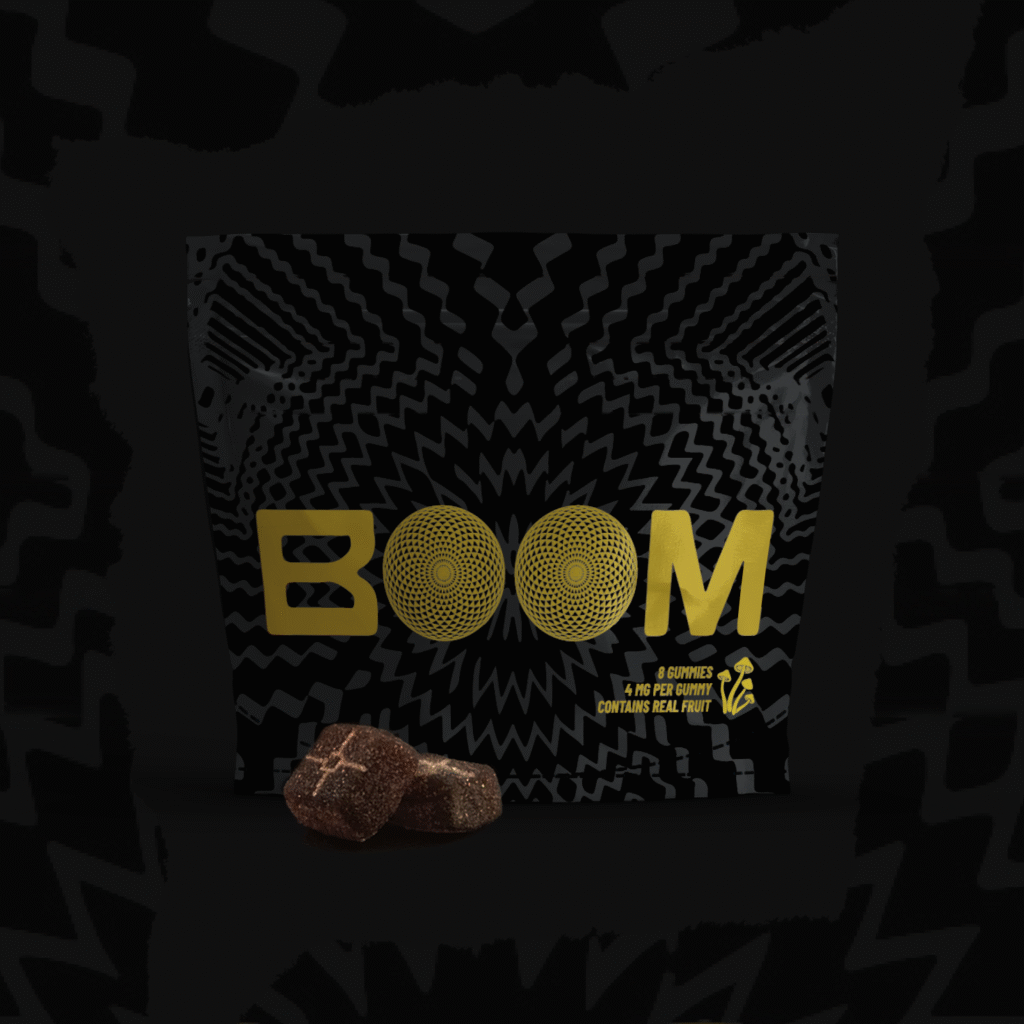
Products such as boom bite wellness gummies reflect the evolution of this category—combining plant-derived extracts with enjoyable taste profiles that remove the “medicinal” feel often associated with supplements.
Gummies appeal to a broad demographic, including younger consumers who value ease and discretion.
Chocolate and Snack-Based Alternatives
Chocolate-infused botanical products continue to grow in popularity. Cocoa pairs naturally with many plant extracts, creating a balanced and indulgent experience.
These formats allow wellness to blend seamlessly into daily routines without feeling restrictive.
The Role of Functional Ingredients
Plant-based wellness edibles often incorporate a blend of botanicals selected for complementary effects.
Adaptogens and Botanical Extracts
Adaptogenic herbs such as ashwagandha, rhodiola, and holy basil remain widely used in stress-support formulations. Functional mushrooms—including lion’s mane and reishi—are also common in cognitive and relaxation-focused blends.
Natural Sweeteners and Plant-Based Binders
To maintain clean-label standards, many brands rely on:
- Pectin instead of gelatin
- Monk fruit or organic cane sugar
- Tapioca-based syrups
These ingredient choices support vegan-friendly positioning and appeal to ingredient-conscious buyers.
Consumer Demographics Fueling Expansion
The rise of plant-based wellness edibles in 2026 is supported by diverse consumer groups.
Health-Conscious Millennials and Gen Z
Younger generations prioritize ingredient transparency and functional benefits. Social media continues to amplify plant-based wellness messaging, encouraging product exploration.
Professionals Seeking Balanced Energy
Many consumers are reducing caffeine intake and exploring plant-based alternatives associated with smoother energy support.
Fitness and Recovery Communities
Athletes and active individuals are incorporating plant-derived products into recovery routines, appreciating their natural positioning.
Digital Retail and Brand Accessibility
E-commerce continues to play a central role in the growth of wellness edibles. Direct-to-consumer platforms allow brands to educate buyers and maintain control over messaging.
Consumers can now research ingredient sourcing, review third-party testing details, and compare product lines before making a purchase. Many shoppers prefer to visit BoomBar online or similar brand websites to explore full product details rather than relying solely on retail shelves.
This direct engagement strengthens trust and fosters repeat purchases.
Challenges and Industry Maturity
Despite rapid growth, the plant-based wellness edible sector faces challenges.
Regulatory Oversight
Brands must navigate evolving labeling regulations and avoid unverified health claims. Responsible marketing ensures long-term credibility.
Ingredient Quality Variability
As demand increases, maintaining consistent sourcing standards becomes critical. Reputable companies invest in third-party testing and standardized extract ratios to ensure product reliability.
Looking Ahead: The Future of Plant-Based Edibles
Industry analysts predict continued innovation in 2026 and beyond. Emerging trends include:
- Sugar-free and low-glycemic options
- Personalized botanical blends
- Functional combinations with vitamins and minerals
- Sustainable, biodegradable packaging
As consumer knowledge deepens, brands that prioritize transparency, science-backed formulations, and sustainable practices will likely lead the market.
Conclusion
The rise of plant-based wellness edibles in 2026 reflects a broader transformation in how people approach health. Convenience, clean ingredients, and functional benefits now define purchasing decisions.
From gummies to chocolate-infused botanicals, these products bridge the gap between nutrition and enjoyment. With ongoing innovation and growing consumer awareness, plant-based wellness edibles are positioned to remain a powerful force in the global wellness industry for years to come.












Discussion about this post