
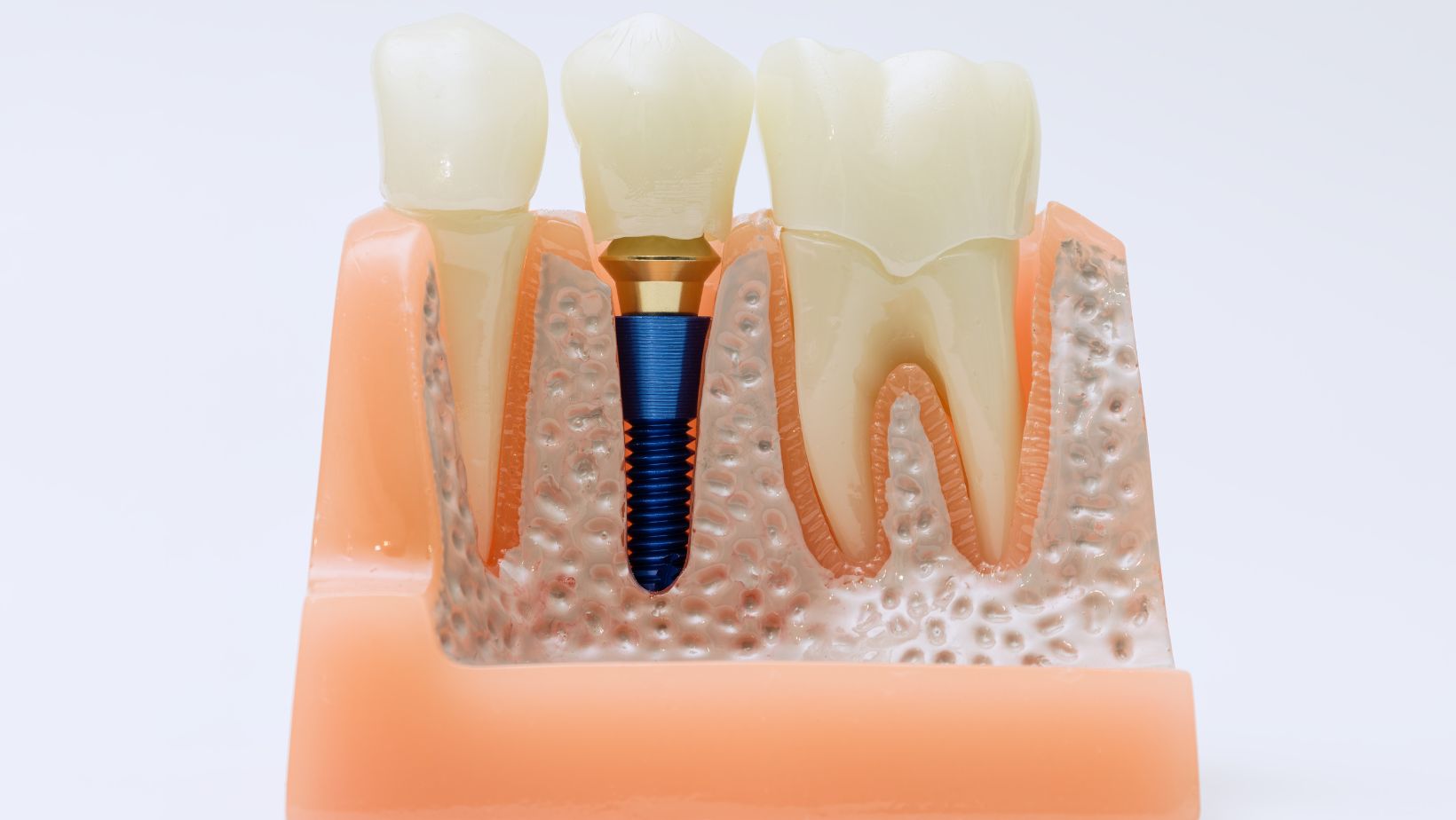
If you plan to get dental implants, your jawbone matters because it holds the implant in place and affects how long it will last. Strong jawbone gives implants the stable foundation they need to fuse with your bone and function like natural teeth. Without enough bone, implants can fail or cause complications.
This post explains how jawbone health affects implant success and why bone grafting can restore lost bone. You will learn common grafting techniques, how dentists like The Dome Dentistry decide if you need grafting, and the long-term benefits of keeping your jawbone healthy so your implant work stays reliable.
Jawbone Health and Its Impact on Dental Implants
Strong jawbone provides support for implants, keeps your facial shape, and helps implants fuse to bone. Weak bone can cause implant failure, change your bite, and lead to the need for bone grafting.
Role of the Jawbone in Dental Implant Success
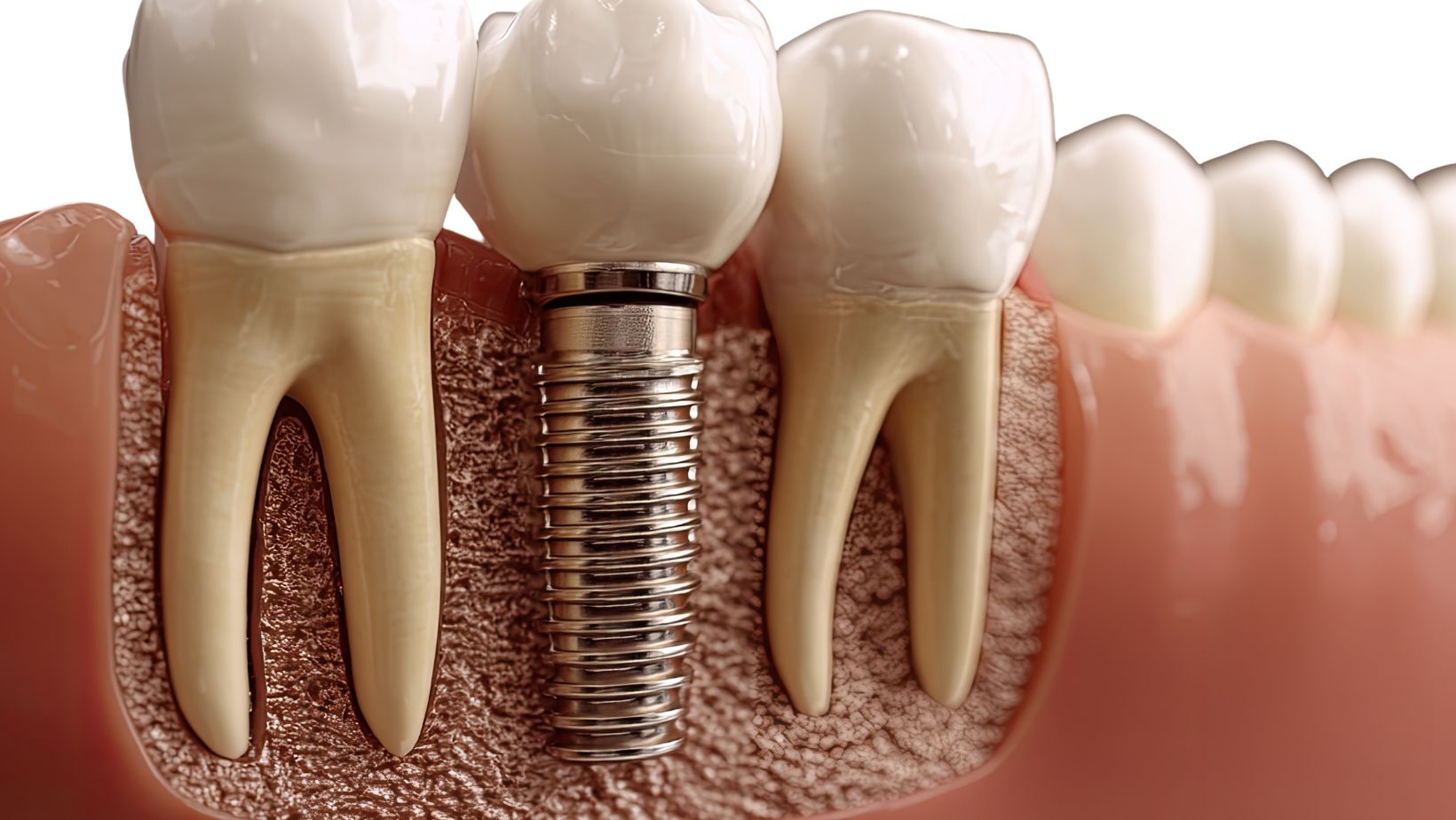
The jawbone anchors the implant like a root anchors a natural tooth. When an implant is placed, bone cells grow onto the implant surface in a process called osseointegration. This creates the stable, long-term hold needed for chewing and speaking.
You rely on good bone volume and density at the implant site. Adequate width and height let a dentist place the right implant size and angle. Poor bone may force shorter, narrower implants or require grafting before placement.
Surgical planning uses imaging (CBCT) to measure bone and avoid nerves or sinuses. Proper planning and healthy bone lower the risk of loosening, infection, or implant fracture.
Consequences of Jawbone Loss
When you lose a tooth, the surrounding bone no longer receives stimulation from chewing. The bone gradually shrinks in width and height. This change can occur within months and continues over years.
Bone loss alters facial contours and can make your lower face look collapsed. It also shifts nearby teeth, creating bite and alignment problems. For implants, insufficient bone raises the risk of implant failure or poor aesthetics.
If bone is too limited, your provider may recommend bone grafting, sinus lifts, or angled implant techniques. Each option adds time, cost, and healing, so preventing bone loss when possible improves outcomes.
Factors Affecting Jawbone Density
Tooth loss is a primary cause of local bone loss, but other factors matter too. Age and long-term tooth absence reduce bone volume. Smoking lowers blood flow and slows bone healing around implants.
Medical conditions such as osteoporosis or uncontrolled diabetes weaken bone and raise complication risk. Certain medications—like long-term steroids or some osteoporosis drugs—can affect bone turnover and healing.
Oral infections and periodontal disease destroy supporting bone. Poor nutrition, low calcium or vitamin D, and heavy alcohol use also harm bone health. Your dentist will review these factors and may order tests or refer you for medical care before implant treatment.
Bone Grafting Techniques for Dental Implants
You need a stable, dense jawbone to hold an implant. The following techniques show the common graft sources, how the surgeon places them, and what healing looks like so you can plan treatment and recovery.
Types of Bone Grafts
Autografts use bone taken from your own body, often the chin, jaw, or hip. They integrate fastest and lower the risk of rejection, but require a second surgical site and more recovery time.
Allografts come from a human donor (cadaver) processed by tissue banks. They avoid a second surgery and are widely available, though integration can take longer than autografts.
Xenografts are from animal sources, usually bovine. They act as a scaffold for your bone to grow into and are commonly used in ridge preservation and sinus lifts.
Alloplasts are synthetic materials like hydroxyapatite or bioglass. They reduce disease risk and come in granular or block forms. Your surgeon may mix types to match your defect size and shape.
Bone Grafting Procedure Overview
Your surgeon first assesses bone volume with 3D imaging and plans graft size and location. Local or general anesthesia controls pain during the procedure.
For small defects, the surgeon may place particulate graft and cover it with a membrane to guide healing. For larger defects, a shaped block graft or a lifted sinus membrane (sinus lift) may be required.
If using an autograft, the surgeon harvests bone from the donor site and positions it at the implant site. They secure blocks with screws or pack particulate graft into the defect, then close the soft tissue with sutures.
You will get post-op instructions for oral hygiene, antibiotics, and pain control. Your surgeon schedules follow-up visits and imaging to monitor graft integration before placing the implant.
Healing and Recovery After Bone Grafting
Initial healing takes 1–2 weeks for soft tissue to close and inflammation to subside. Expect swelling, mild pain, and some bruising; follow your surgeon’s instructions on cold packs and medications.
Bone integration (osseointegration of the graft) typically takes 3–9 months depending on graft type and size. Autografts often heal faster; allografts, xenografts, and synthetics may take longer.
Avoid smoking and heavy exertion; both slow blood flow and delay bone growth. Maintain gentle oral hygiene around the site and use prescribed antimicrobial rinses to reduce infection risk.
Your surgeon will use periodic X-rays or CBCT scans to check bone density. Only after the graft shows stable, dense bone will they place the dental implant.
Evaluating Candidates for Bone Grafting
You need enough healthy jawbone and good overall health for a graft to succeed. The dentist will check bone size, bone quality, oral health, and medical factors that affect healing.
Assessment of Jawbone Volume and Quality
Your dentist or oral surgeon measures bone height, width, and density using imaging like CBCT scans and dental X-rays. These images show exactly where bone is missing and how much graft material you’ll need.
They also check bone quality. Dense, healthy bone heals faster and holds implants better. Thin or porous bone may need more complex grafts or staged procedures.
A clinical exam looks at gum health, bite alignment, and space for the implant. If you smoke or have uncontrolled diabetes, your provider will flag higher failure risk and discuss ways to improve healing before grafting.
Common Indications for Bone Grafting
You may need bone grafting after tooth loss, long-term denture wear, trauma, or advanced gum disease that causes bone loss. Socket preservation after tooth extraction is a common preventive graft to keep the ridge from collapsing.
Sinus lift grafts address upper back jaw bone loss near the maxillary sinus. Ridge augmentation rebuilds narrow or low ridges so implants sit in the correct position. Guided bone regeneration uses membranes to guide new bone growth in specific spots.
Your history of extractions and how long a tooth has been missing affect the amount of grafting. The dentist will match graft type—autograft, allograft, xenograft, or synthetic—to the defect and your preferences.
Risks and Considerations for Patients
Grafting carries risks like infection, swelling, graft failure, and numbness if nerves are near the site. Risk levels depend on graft type, surgical complexity, and your health.
Certain conditions raise concern: uncontrolled diabetes, heavy smoking, immune suppression, or medications that affect bone healing (for example, some osteoporosis drugs). Your provider may delay grafting, recommend medical clearance, or suggest alternatives.
Recovery time varies. Expect weeks to months for the graft to integrate before placing an implant. Ask about costs, possible need for repeat procedures, and specific aftercare steps like antibiotics, oral hygiene, and activity restrictions.
Long-Term Benefits of Maintaining Jawbone Health
Keeping your jawbone healthy helps your dental implants last longer. A strong jawbone holds implants firmly, so you chew better and speak more clearly.
Healthy bone prevents facial changes that can make you look older. When bone shrinks after tooth loss, your face can collapse inward. Maintaining bone preserves your natural facial shape and bite alignment.
Good jawbone health lowers the chance of implant failure. Implants fuse with bone; more bone means stronger fusion. If you need a replacement later, a solid bone base makes future treatment easier.
Bone preservation supports nearby natural teeth. Healthy bone helps keep adjoining teeth stable and reduces the risk of shifting or extra tooth loss. That protects your overall oral function.
Benefits at a glance:
- Stability: Strong hold for implants and crowns.
- Function: Better chewing and speaking.
- Appearance: Maintains facial contours and smile.
- Future care: Easier repairs or additional implants.
You can protect bone with timely tooth replacement and, when needed, bone grafting. Your dentist can recommend steps like grafting, implants, or bone-friendly hygiene to keep your jawbone strong.












Discussion about this post