
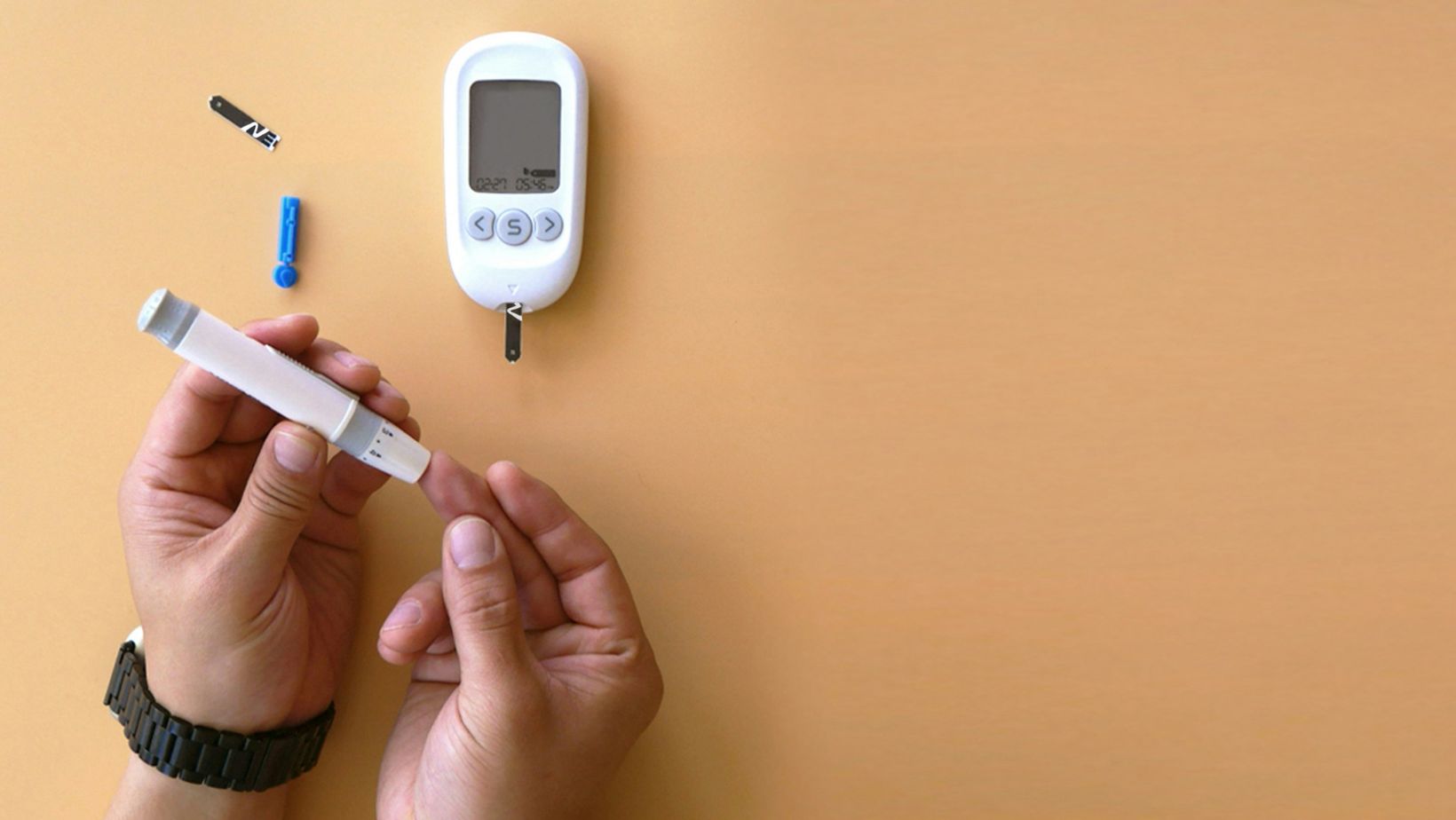
Hitting 50 is a big milestone and something worth celebrating. But this new age also introduces quite a few changes to your body. You may already be seeing some of the signs. You tire easily. You have difficulty sleeping. You experience frequent joint and muscle aches.
Diabetes is another thing that’s quite common at this age. According to the CDC’s 2024 National Diabetes Report, 19% of adults aged 45 and 64 have diabetes. This figure increases with people’s age.
Why? Because as we get older, our bodies become naturally resistant to insulin, metabolism becomes slower, and physical activities become fewer and farther between, leading to weight gain. All these factors together make it easier for blood sugar to get out of control.
But there’s good news. With the right approach, you can reduce the risk of serious complications from diabetes.
Read on as we discuss some of these approaches in this article.
Tailored Lifestyle Changes
Managing diabetes in your 50s starts with taking a long, hard look at your lifestyle and making some drastic changes. It’s not just about drinking less soda. It’s basically about how you do everything.
Here are a few lifestyle changes that matter at 50:
- Make sleep a priority. Aim for between 7 and 9 hours of sleep every night. Anything less and your blood sugar can spike the next day.
- Juggling adult responsibilities can increase your stress levels. Always take ten minutes a day to unwind.
- Smoking and heavy alcohol don’t play well with diabetes. Rethink habits like these.
It’s also important that you remain socially active. Social isolation can cause poor blood sugar control in seniors. Don’t be a hermit.
Healthy Eating Habits
Changing your lifestyle is not enough. How about how you eat?
Healthy eating habits for seniors with diabetes don’t mean totally giving up your favorite meals. It just means that you have to be intentional about what goes on your plate. You have to take the time to identify the best foods for diabetic seniors and stick with them most of the time.
Here’s what works:
- Limit processed foods as much as possible.
- Practice portion control even with healthy, home-cooked meals.
- Eat enough lean protein to keep your muscles strong and supple.
- Opt for fiber-rich foods like whole grains, vegetables, and legumes to help with digestion and blood sugar stabilization.
- Take more water in place of sugary drinks to reduce daily sugar intake.
This type of structured meal plan might be difficult at first. That’s quite understandable after years of pizzas, beef burgers, and Mountain Dews. However, a study cited in the New York Post shows that healthy eating habits combined with lifestyle changes can reduce the risk of diabetes by as much as 31%.
Regular Sugar Monitoring
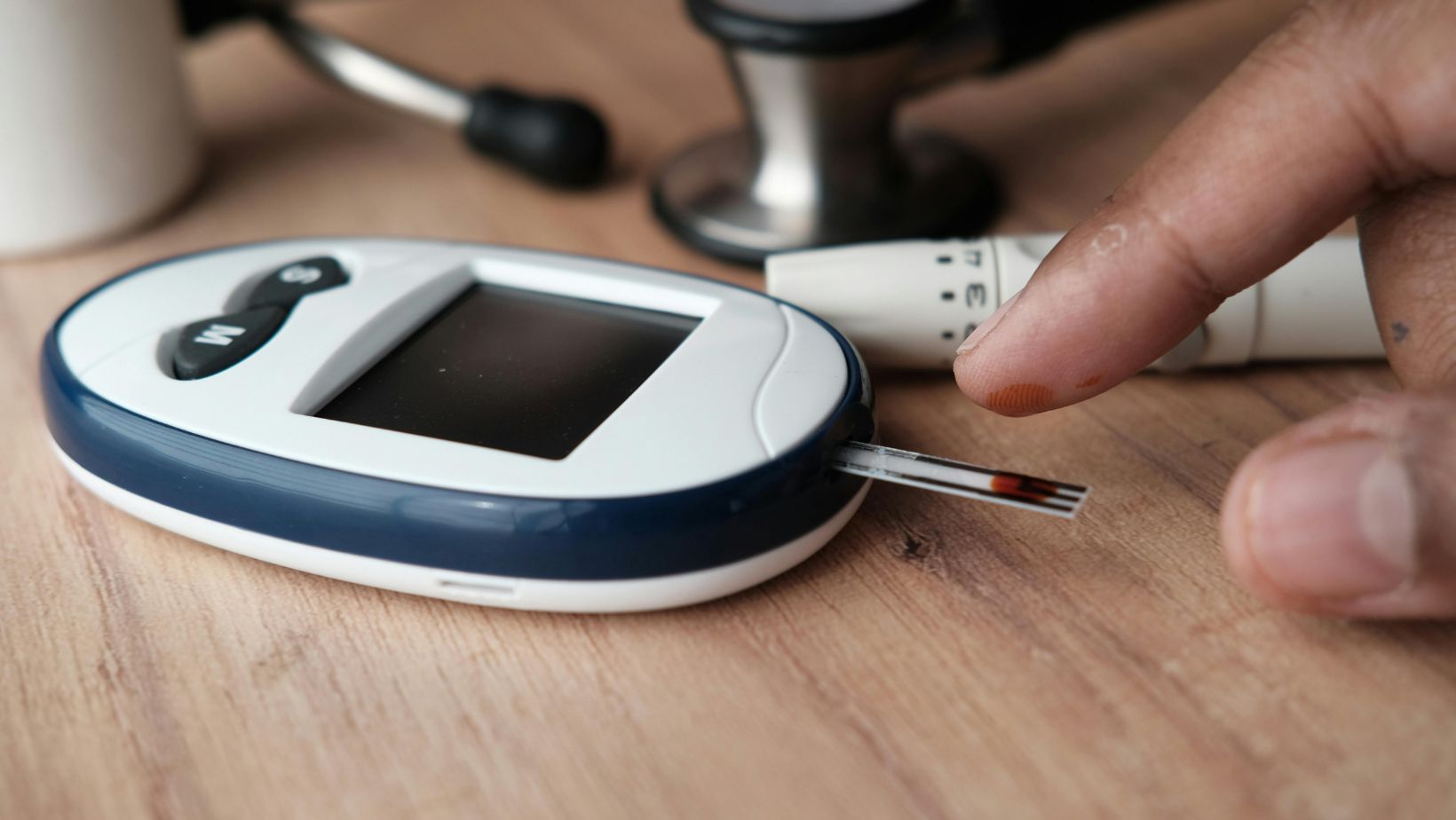
You also want to keep an eye on your sugar levels and other health markers.
This may feel like unnecessary busy work, but guess what? It could save you from headaches down the road.
The good thing is that you no longer have to prick your thumb every few hours to check your blood sugar level. Thanks to modern tech, there are sensors and wearables that do this job in the background. Just check your device periodically to see what your level is.
Here’s what regular monitoring looks like:
- Checking your glucose levels multiple times a day.
- Documenting patterns in a notebook or app.
- Watching for trends under different scenarios, such as when fasting, after meals, and when you change medication.
Regular health monitoring might feel tedious at first. However, once you start seeing how your numbers are affected by your lifestyle choices, it begins to make sense.
Consistent and Appropriate Exercise
Exercise and move about. This is surely the oldest advice in the world when it comes to diabetes and senior citizens. The question now is, when should you exercise and how much?
While some people prefer working out first thing in the morning, others swear by afternoon and evening workouts. They believe that exercising later in the day does more for blood sugar control than morning workouts.
As you can see, there’s no single universal rule for when. It depends more on when it best suits you.
That said, these suggestions can help with your routine:
- Do short walks after eating. Even 10 to 20 minutes post-meal walks can help with glucose management.
- Choose activities that actually impact your joints, bones, and muscles. Options include yoga, aerobics, and brisk walks.
- Mix things up so that you don’t get easily bored, or worse, injured.
The goal here is not to become an automatic gym rat. Even short walks twice weekly can make a world of difference.
Sticking to Medications
If you’re on medication, it’s important that you stick to the dosages religiously. It’s not fun, and you may be tempted to skip one or two, but consistency is important for managing both blood sugar and weight.
The following tips will help you stay on top of your medications:
- Track your daily dosage using a pill organizer.
- Set your phone alarm to remind you when it’s time for the next dosage.
- Take your medications before or after eating. That way, you don’t forget.
- Ask questions if you’re not sure why you’re taking each medication.
A small warning, though. That you’re taking medications doesn’t mean you should ignore lifestyle changes. Your prescriptions work best when combined with good habits and healthy food.
Final Thoughts
Managing your health after 50 isn’t about getting everything right all the time. It’s about being consistent.
There will be days when you crave a beef burger so badly it almost feels like torture. Other days, you’ll want to skip the daily walk because you don’t like the look of the weather. The truth is that all that is perfectly human and fine. What matters is what you do most of the time.
Not yet 50? Well, you don’t have to wait until you are to put your health on the right track. Practice the approaches discussed in this article, and you’ll significantly reduce your risk of diabetes as you get older.













Discussion about this post