
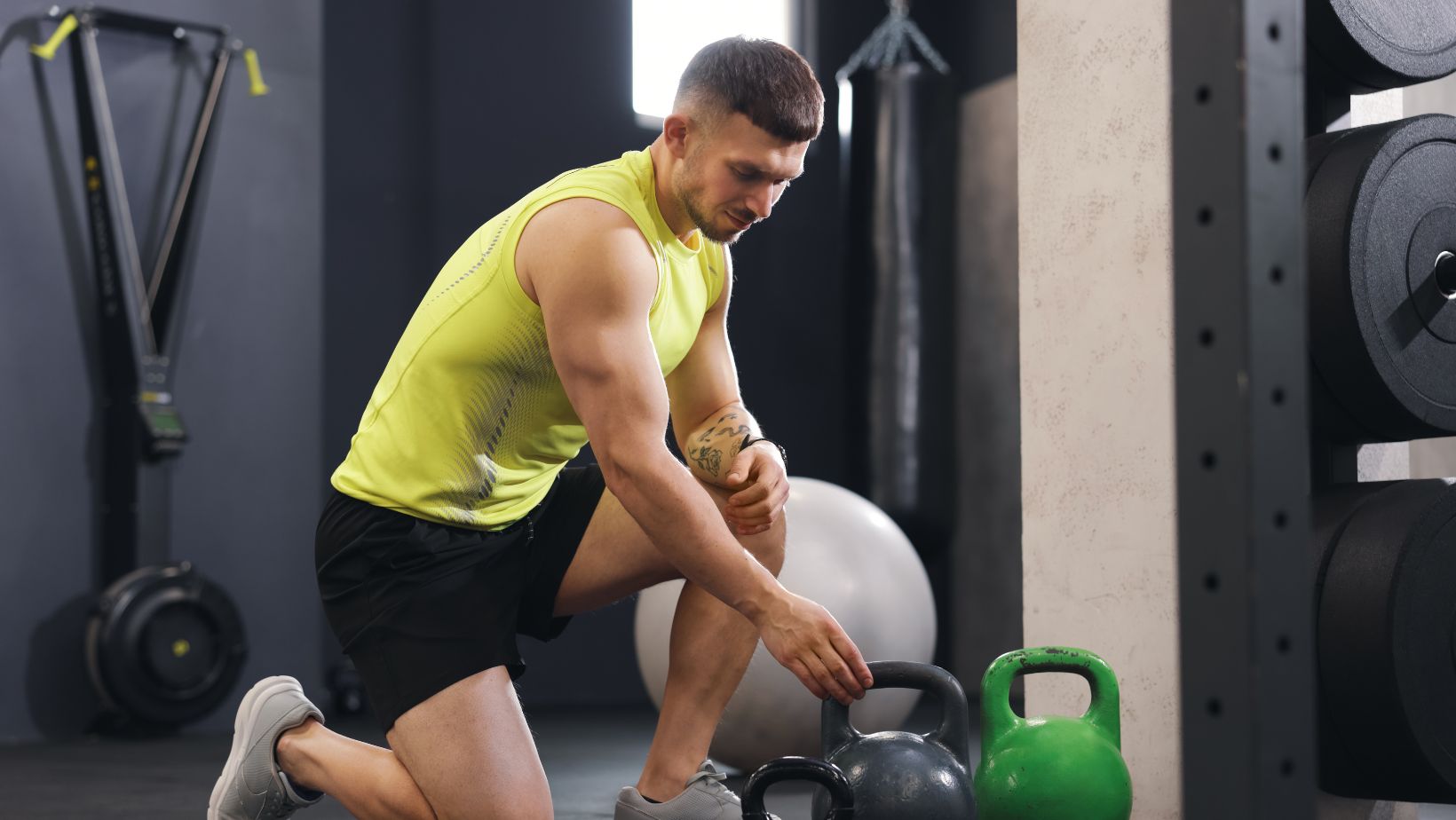
It is quite disappointing when you have dedicated several hours of your busy life to training only to learn that after a few months, you have not achieved anything at all. In some instances, it is possible that you will end up being weaker than when you began the training program. In most instances, people usually quit the training program and do not necessarily alter their lifestyle to establish the cause of the problem. Below are some of the factors contributing to your not becoming stronger.
- Overtraining
It is funny how many people believe that overtraining will give them results faster. Others believe overtraining is only when you spend ridiculously long hours in the gym, but forget it is also when your body reaches its limit. This is the psychological state where your body is unable to recover from the stress it is being subjected to. You start to slowly lose the motivation and excitement you had towards training, then your sleep patterns become erratic, and you feel physically exhausted.
With time, you start catching colds easily and get nagging shoulder discomfort that never goes away. At this point, even if you continue training, your performance plateau declines despite consistent effort. This is because your body needs rest and recovery. During this rest, you should strategize your training routine to a more befitting one.
- Under recovering from training
The issue arises when you layer workout upon workout without adequate soft tissue repair. The micro-traumas heal with a slight adhesion, as if a scar, causing your fascia, or connective tissue enveloping your muscles, to lose its pliability. Muscles meant to move effortlessly against each other start sticking.
These restrictions create compensation patterns throughout your entire body. When your hip flexors are chronically shortened from sitting and training without release work, your glutes can’t activate properly. Your lower back muscles then overwork to compensate, leading to tension, pain, and eventually creating a domino effect of dysfunction.
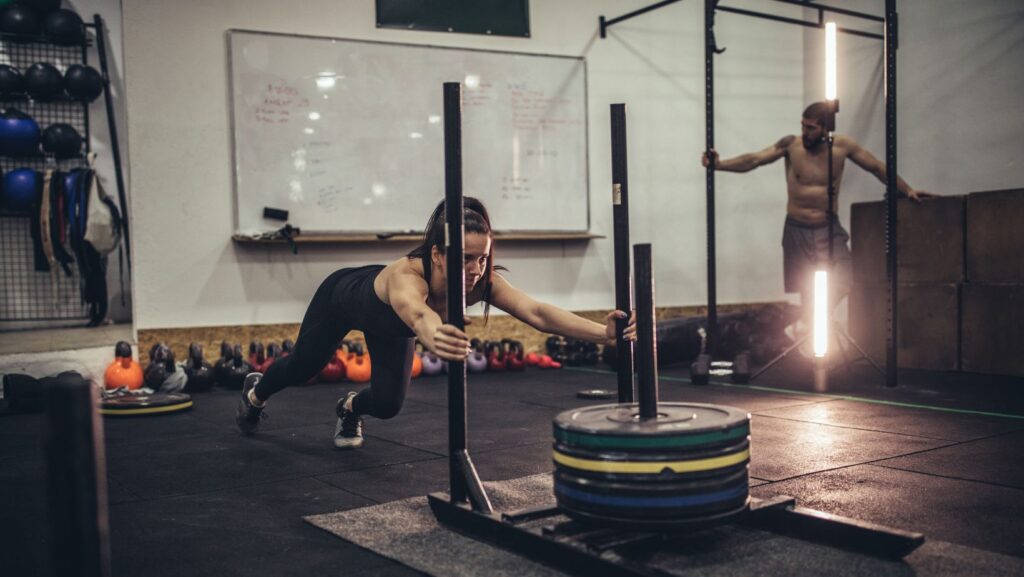
This is where sports massage becomes critical, not optional. Regular soft tissue massage will work on breaking down adhesions before they become an issue, increase blood flow to aid in healing, and reset muscle tension patterns.
- Poor body alignment when training
Imagine trying to fire a cannon from a canoe. Even with plenty of gunpowder, most of your force gets absorbed by the unstable platform. Your body works the same way. When your structure is misaligned, force leaks out through the system instead of transferring efficiently into the movement.
A great example of this is squatting. When your body is aligned correctly, the force moves smoothly from the ground up through your feet, ankles, knees, hips, and into your core everything working together as it should. But when your ankles are tight and can’t move properly, something has to give. Your knees might cave inward, or your hips tilt unevenly and suddenly, one leg is doing way more work than the other
A chiropractic clinic can help your body recover from misalignment through chiropractic adjustment care. This will ensure that you restore optimal positioning that allows your existing muscles to express their full potential and prevent injuries.
- Improper dieting
Most recreational athletes, both men and women, often eat so little that their bodies are always lacking key nutrients to build muscles. This is very common in people who are training for weight loss as they believe eating less will speed up the results. The minute your body enters starvation mode, your metabolism slows down, leading to less energy which negatively affects your training performance.
In order to be strong and energetic enough to train well and recover from your training, your body needs to get adequate amounts of nutrients. If you have been struggling to gain mass, it is about time you educated yourself on nutrition and learned to feed your body the amount of calories that it needs.










Discussion about this post