

LASIK surgery has become one of the most common ways to correct vision problems. Millions of people worldwide choose LASIK to reduce their dependence on glasses or contact lenses to improve eyesight. But how does it work, who benefits most, and what can patients expect in the long term? This guide explains the key points in clear, simple terms.
What LASIK Does
LASIK stands for Laser-Assisted In Situ Keratomileusis. It is a procedure that reshapes the cornea, the clear front part of the eye. By adjusting the cornea’s shape, LASIK allows light entering the eye to focus correctly on the retina. This process improves vision for people who are nearsighted, farsighted, or have astigmatism.
The goal of LASIK is to reduce or eliminate the need for corrective lenses. For many, this means waking up with clear vision and not relying on glasses throughout the day. It is important to understand that LASIK does not prevent age-related vision changes, such as presbyopia, which occurs naturally as the eye ages.
Who Is a Good Candidate
Not everyone is suited for LASIK. Ideal candidates typically have healthy eyes, a stable prescription for at least one year, and realistic expectations about results. People with certain eye conditions, like severe dry eye or thin corneas, may need alternative procedures or additional testing.
Age also plays a role. LASIK is generally recommended for adults over 18, as younger patients’ prescriptions may still change. Eye health and overall medical conditions are also considered. A consultation with a qualified ophthalmologist ensures the procedure is safe and suitable.
The LASIK Procedure
LASIK is usually an outpatient procedure. It begins with numbing drops to prevent discomfort. A laser creates a thin flap on the cornea, which is then lifted so the surgeon can reshape the underlying tissue. After reshaping, the flap is repositioned. The entire process typically takes less than 30 minutes.
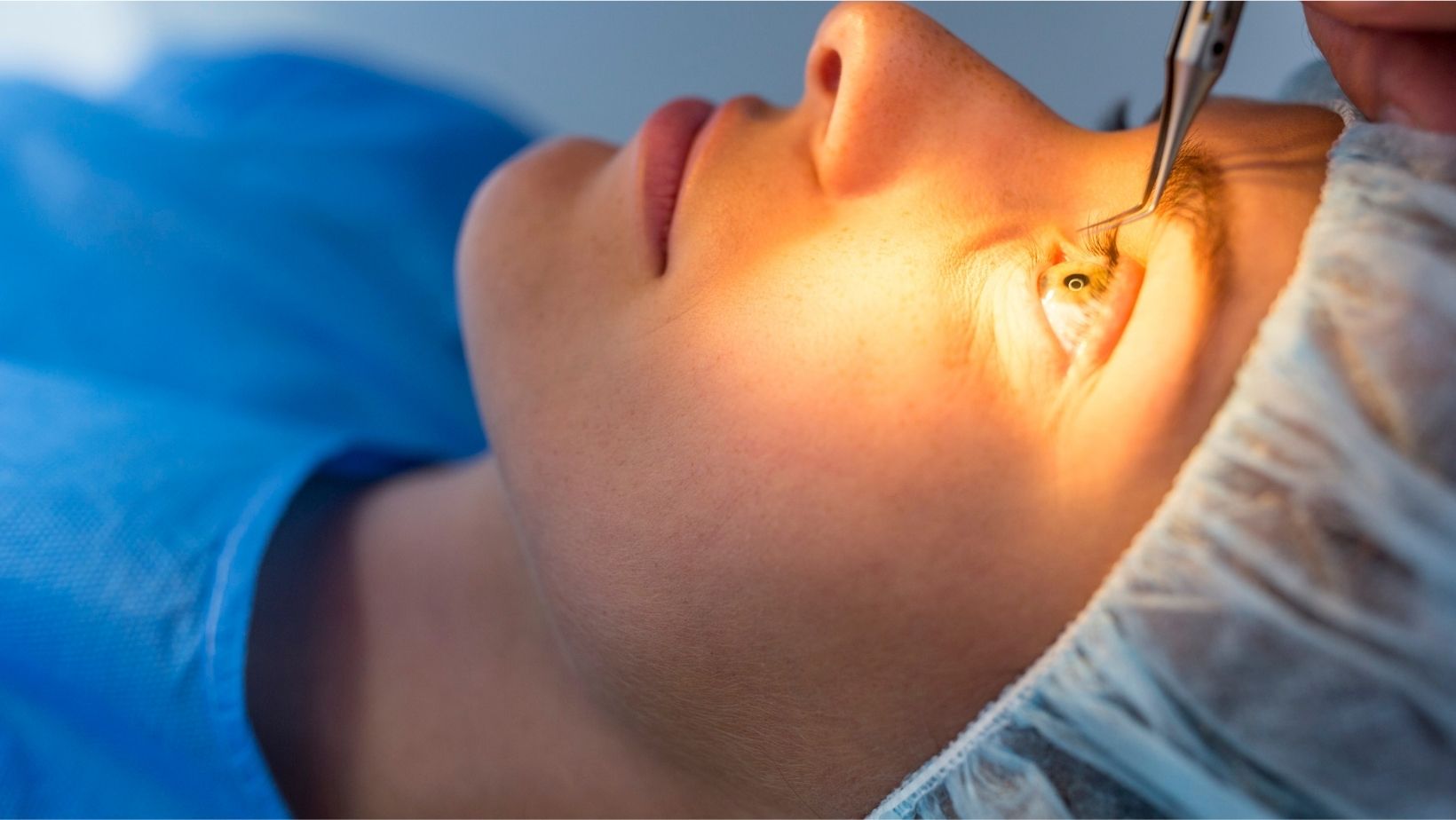
Many patients report minimal pain, though some may experience mild pressure or irritation. Vision often improves quickly, with many seeing clearly within 24 hours. However, full stabilization of vision may take a few weeks.
Benefits of LASIK
The most obvious benefit of LASIK is clearer vision. Many patients achieve 20/25 vision or better. This improvement often reduces or eliminates the need for glasses or contacts. Daily activities, such as driving or playing sports, become easier and more convenient.
LASIK can also improve quality of life. People who struggled with contact lenses may enjoy freedom from maintenance and irritation. Those who frequently misplace glasses may find life less stressful. Overall, LASIK offers independence and flexibility in vision management.
Risks and Considerations
LASIK is generally safe, but like any surgery, it carries risks. Potential side effects include dry eyes, glare, halos around lights, or temporary blurry vision. Most of these effects resolve over time, but a small percentage of patients may experience persistent issues.
Patients should understand that LASIK does not guarantee perfect vision for life. Changes in the eye can occur naturally, sometimes requiring enhancements or supplemental corrective lenses. Discussing expectations with an eye surgeon helps reduce surprises after surgery.
Recovery and Aftercare
Recovery after LASIK is usually quick. Patients are advised to avoid rubbing their eyes and to follow medication instructions carefully. Protective eyewear may be recommended for the first few days. Follow-up appointments ensure the eyes are healing correctly.
Vision may fluctuate during the first weeks. Mild discomfort or sensitivity to light is common. Most patients return to work and normal activities within a few days. Proper aftercare supports long-term results and reduces the risk of complications.
Long-Term Results
LASIK results are stable for most patients. Studies show that vision improvement often lasts many years. Some patients may require minor adjustments over time, especially if their vision naturally changes with age.
Maintaining regular eye exams is important. LASIK does not replace routine care or screenings for conditions like glaucoma or cataracts. Staying attentive to eye health helps preserve both surgical outcomes and overall vision.
Frequently Asked Questions
Does LASIK hurt?
Most patients report little to no pain. Numbing drops and modern laser technology make the procedure comfortable.
Will I need glasses afterward?
Some people may still need glasses for reading or if vision changes with age. However, the majority experience significant reduction in lens dependency.
How long does it take to recover?
Initial improvement is often seen within 24 hours. Full healing and stabilization can take several weeks.
Is LASIK safe?
Yes. LASIK is widely considered safe for healthy adults. Risks exist, but serious complications are rare. A professional consultation ensures suitability.
Conclusion
LASIK offers a clear, effective option for vision correction. It improves daily life by reducing reliance on glasses and contacts, often quickly and with minimal discomfort. Understanding who qualifies, the procedure itself, potential risks, and aftercare is essential for making informed decisions.
With proper evaluation and professional guidance, LASIK can provide long-lasting improvements in vision. Patients gain convenience, confidence, and clarity—literally and figuratively. Prioritizing eye health and staying informed ensures the benefits of LASIK remain strong for years to come.











Discussion about this post