
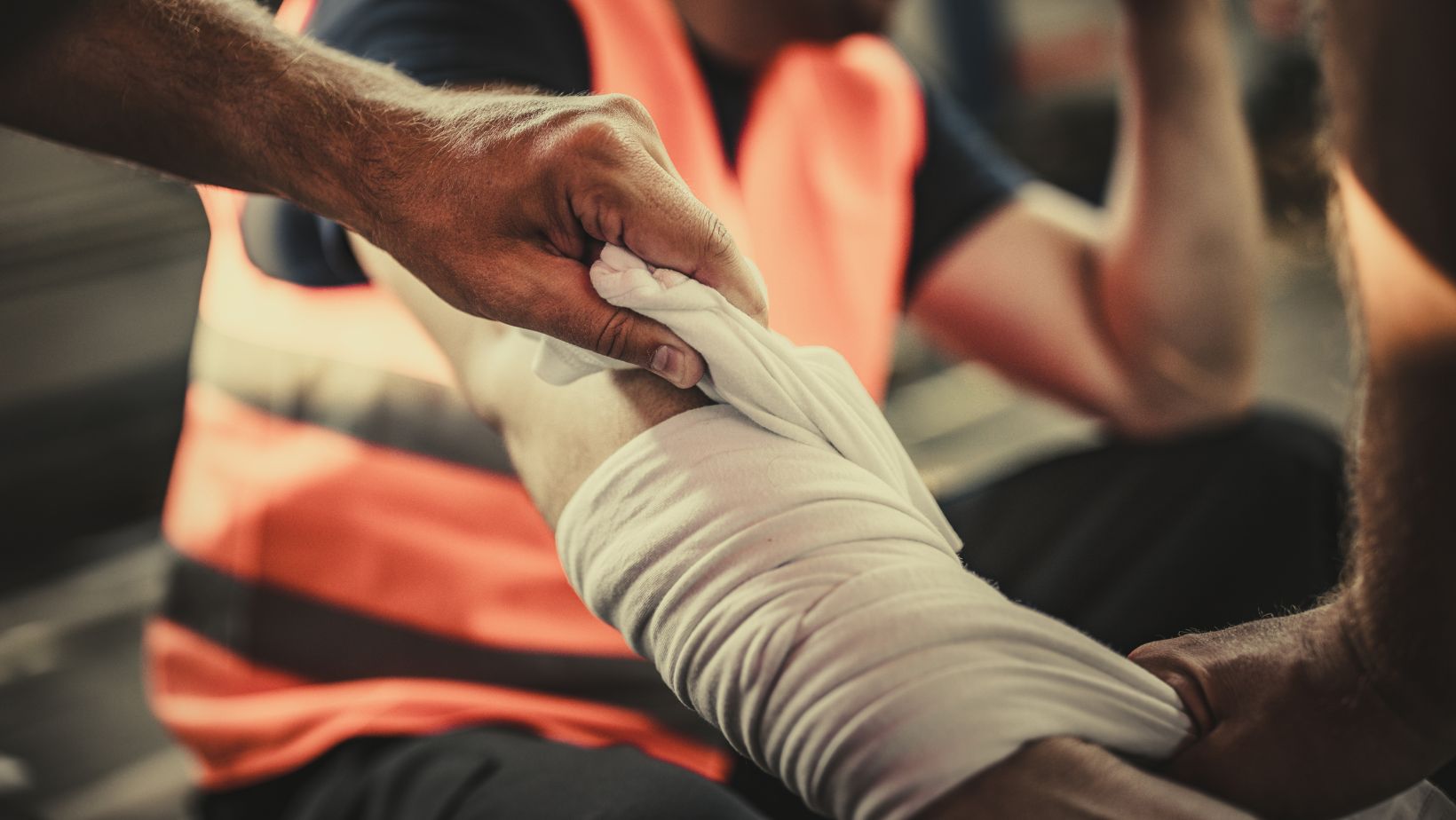
Severe burn injuries can remain dangerous even after the flames are out. One major risk is infection. Burns damage the skin, leaving open wounds that allow bacteria and viruses to enter. The immune system may also be weakened, making burn survivors more prone to infections, even in good medical settings.
Infections can slow healing, increase scarring, and lead to serious complications like sepsis or organ damage. Early treatment and careful monitoring are crucial. If someone else’s negligence caused the burn, a Riverside burn injury attorney can help determine if safety issues contributed to the injury and whether infections have worsened long-term effects.
Why Burns Create A High Risk For Infection
Skin is the body’s main defense against germs. When burns destroy the skin, bacteria can reach deeper tissue and the bloodstream more easily. This is especially true with second-degree and third-degree burns, where blistering, tissue loss, or full-thickness damage creates a large opening for microbes.
Burn wounds also create the perfect environment for infection. Damaged tissue, warmth, moisture, and reduced circulation can allow bacteria to multiply rapidly. If burn wounds aren’t cleaned properly, dressed correctly, and monitored consistently, infection can develop fast—sometimes in just a day or two.
How The Body’s Immune System Is Weakened After Severe Burns
Severe burns place immense stress on the body. The immune system can become overwhelmed because the body must respond to trauma, fight inflammation, manage fluid loss, and repair tissue all at once. Many burn patients also experience changes in metabolism and nutrition that weaken immune response.
If a person requires hospitalization, surgery, or prolonged bed rest, additional infection risks appear. IV lines, catheters, ventilators, and graft sites can create pathways for bacteria. Even when medical teams follow proper protocols, the risk remains higher than in many other injuries.
Common Types Of Infections Burn Patients Face
Burn injuries weaken the body’s natural defenses, so infections can develop quickly and become serious if not treated early. Common types of infections burn patients may face include:
- Burn wound infections: Infections can form directly in the burned tissue, often starting with redness, warmth, swelling, increased pain, or drainage. If untreated, they can spread deeper into muscle or surrounding tissue.
- Skin graft site infections: Both the grafted area and the donor site can become infected, especially if the skin is fragile or healing is delayed.
- Surrounding soft-tissue infections: Bacteria can spread into nearby healthy tissue, leading to cellulitis or deeper tissue infections that require urgent care.
- Respiratory infections: People with inhalation injuries or who require ventilation are at higher risk for lung infections.
- Pneumonia: A frequent complication during hospitalization, particularly for patients on ventilators or with weakened immune responses.
- Urinary tract infections (UTIs): Catheter use during treatment and recovery can increase the risk of urinary infections.
- Bloodstream infections (sepsis): Infections can enter the blood through contaminated wounds or medical devices, which is why burn units use strict infection-control procedures.
Signs Of Burn Wound Infection To Watch For
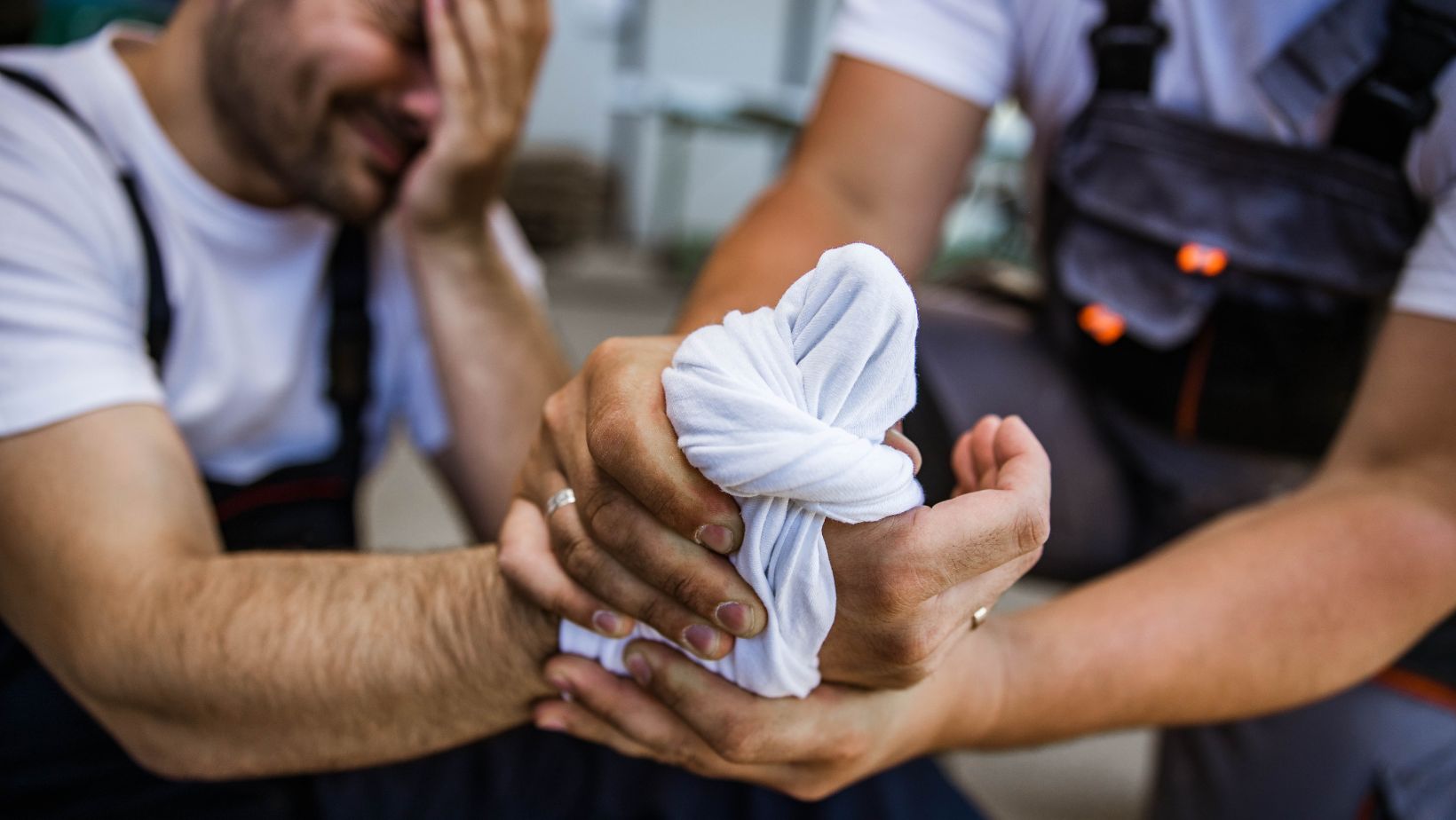
Burn wounds can look unusual during healing, but certain changes may signal infection and should be taken seriously. Here are key warning signs to watch for:
- Redness spreading beyond the wound edges: Especially if it expands over time or looks streaky.
- Swelling or increased inflammation: Puffiness or tightness that worsens instead of improving.
- Warmth around the burn: Heat radiating from the area can indicate infection or inflammation.
- Worsening pain: Pain that increases after an initial improvement may be a red flag.
- Foul odor: A strong or unpleasant smell from the wound can signal bacterial growth.
- Pus-like drainage: Thick, cloudy, yellow/green fluid or increasing drainage is concerning.
- Changes in wound color: Darkening, unusual discoloration, or tissue that looks gray or unhealthy may indicate infection or poor healing.
System-wide symptoms are even more urgent and require immediate medical attention, because they may signal a spreading infection:
- Fever or chills
- Rapid heart rate
- Confusion or mental changes
- Extreme weakness or fatigue
- Low blood pressure or dizziness
Why Infection Can Become Life-Threatening After Burns
Severe burn infections can lead to sepsis, a dangerous body-wide response to infection. Sepsis can cause blood pressure to drop, organs to fail, and the body to shut down. Because burn patients are already in a fragile state, sepsis can progress faster than many people expect.
Infection can also cause tissue death, which may require additional debridement or amputation in extreme cases. It can compromise graft healing and lead to repeated surgeries. Even survivors may face longer hospitalization, permanent scarring, disability, and long-term health complications.
Infection Risks Increase With Larger Or Deeper Burns
The larger the burn area, the greater the infection risk because more skin barrier is lost. Deep burns are also more dangerous because they damage blood supply and tissue structure. When circulation is poor, immune cells can’t reach the area effectively, making it easier for bacteria to grow unchecked.
Burn location matters too. Burns near the groin, underarms, hands, feet, or face may have higher contamination risk due to moisture, movement, and everyday contact. Burns that involve joints or skin folds can be harder to keep clean and properly dressed.
The Role Of Burn Units, Sterile Care, And Antibiotic Strategy
Many severe burn patients are treated in specialized burn units because infection control is so critical. Burn units often use strict protocols: sterile dressing changes, controlled environments, careful wound cleaning, and close monitoring for early infection signs.
Antibiotics may be used strategically, but overuse can create resistance. Medical teams often rely on cultures to identify the specific bacteria involved and choose the right treatment. In some cases, topical antimicrobial treatments and specialized dressings are used to reduce bacterial growth on the wound surface.
How Infection Complications Affect Recovery And Long-Term Outcome
When infection occurs, recovery becomes longer and more painful. Infection can delay wound closure, increase scar formation, and raise the chance of contractures that limit movement. It can also affect emotional recovery because setbacks can be devastating during burn rehabilitation.
Infection can increase long-term medical costs through additional surgeries, extended rehabilitation, and ongoing wound care. Some people develop chronic wounds or repeated infections. These complications can also affect the ability to return to work and participate in daily life, increasing both financial and personal damages.
Infection After Burns Is A Serious Risk That Requires Immediate Attention
Infections are one of the most dangerous complications after severe burns because they can spread quickly and become life-threatening. Burn injuries weaken the body’s defenses, and open wounds create a direct pathway for bacteria and other pathogens. Watching for infection signs, following wound care instructions, and seeking immediate care when symptoms worsen can protect both healing and survival.
If a severe burn happened because of negligence, infection complications may increase the long-term impact and the value of a claim. The full story of the injury includes not only the burn itself, but the setbacks, hospital stays, and lasting consequences that infections can create.












Discussion about this post