
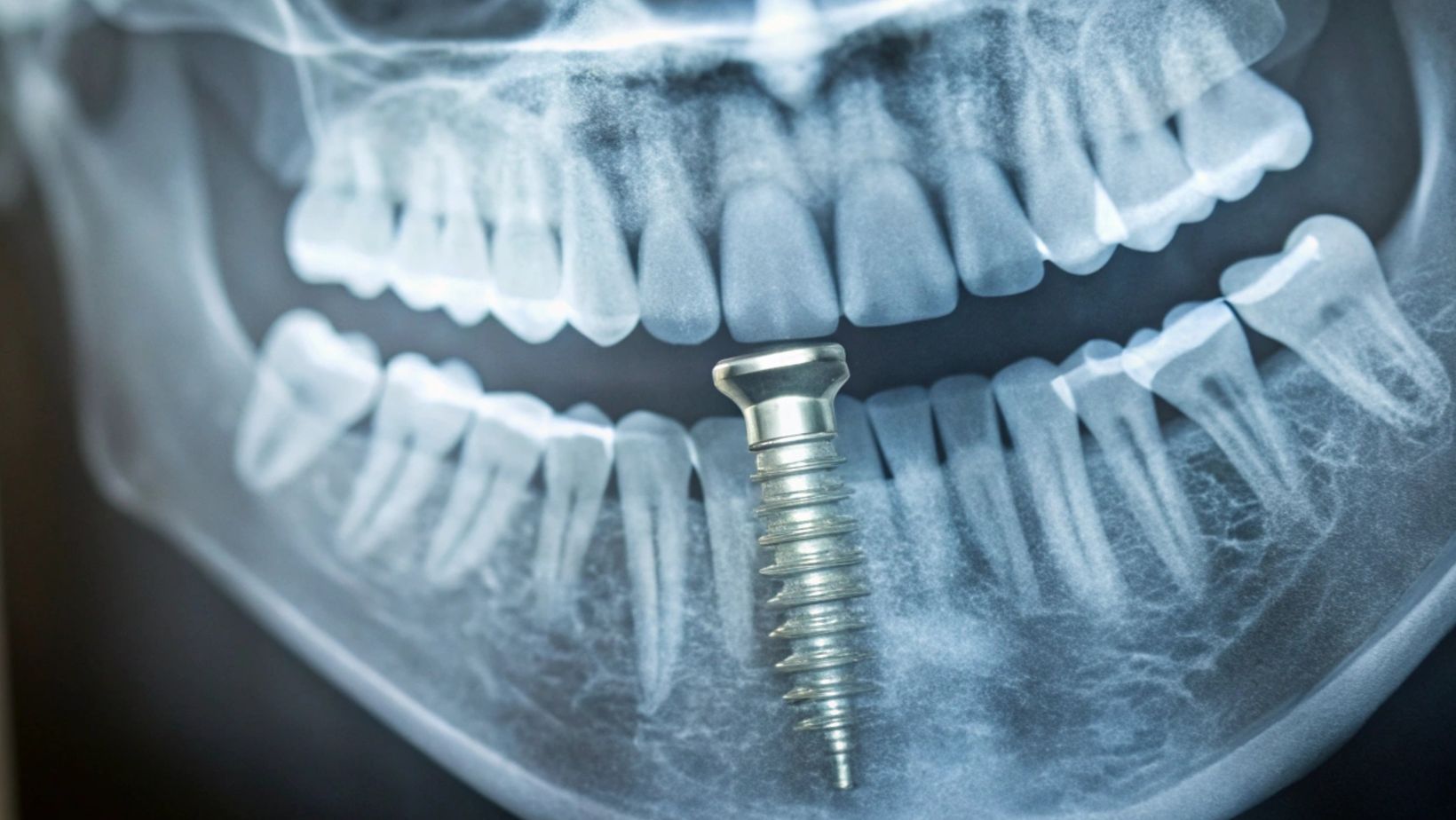
If you have bone loss in your upper jaw, traditional dental implants might not work well for you. Pterygoid implants offer a reliable alternative by anchoring into strong bone near the back of your upper jaw. They avoid the need for bone grafts or sinus lifts, making the implant process simpler and less invasive.
These implants are placed in a specific area called the pterygoid region, which has dense bone that provides strong support for dental prosthetics. This means you can get stable, long-lasting results even if your jawbone is not ideal for regular implants.
Understanding how pterygoid implants work can help you decide if they are the right choice for you. Their unique placement and benefits make them a valuable option for patients facing challenges with traditional implants.
Understanding Pterygoid Implants
Pterygoid implants use a specific part of your upper jaw bone to provide stable support for dental restorations. They are designed for places with limited bone, avoiding extra surgeries. You will learn what these implants are, why they are used, and how they are placed.
Definition and Anatomy Involved
Pterygoid implants are long dental implants placed in the pterygoid region of your upper jaw. This area is near the back of your mouth, where the maxillary tuberosity meets the pterygoid process of the sphenoid bone.
This bone area is dense and strong, making it a good place for implants when your upper jawbone has lost volume. The implants anchor into the pterygoid plates, which are part of the sphenoid bone, allowing better stability without needing bone grafts or sinus lifts.
Indications for Use
You may be advised to get pterygoid implants if you have severe bone loss in your upper jaw, especially in the molar and premolar areas. Traditional implants often need extra surgeries like sinus lifts or bone grafts when your bone is low. Pterygoid implants avoid these steps.
These implants are also useful if you want a longer-lasting dental restoration and if you need support in hard-to-reach places at the back of your mouth. Your bone condition and dental needs will guide your dentist in recommending them.
Placement Procedure
The placement of pterygoid implants starts with an assessment of your jaw anatomy using scans and exams. During surgery, your dentist will angle the implant to engage the strong pterygoid bone behind the jaw.
The procedure usually takes 1 to 2 hours, depending on how many implants you need. After surgery, you will need 3 to 6 months to let the implant fuse with your bone before placing the final crown or bridge.
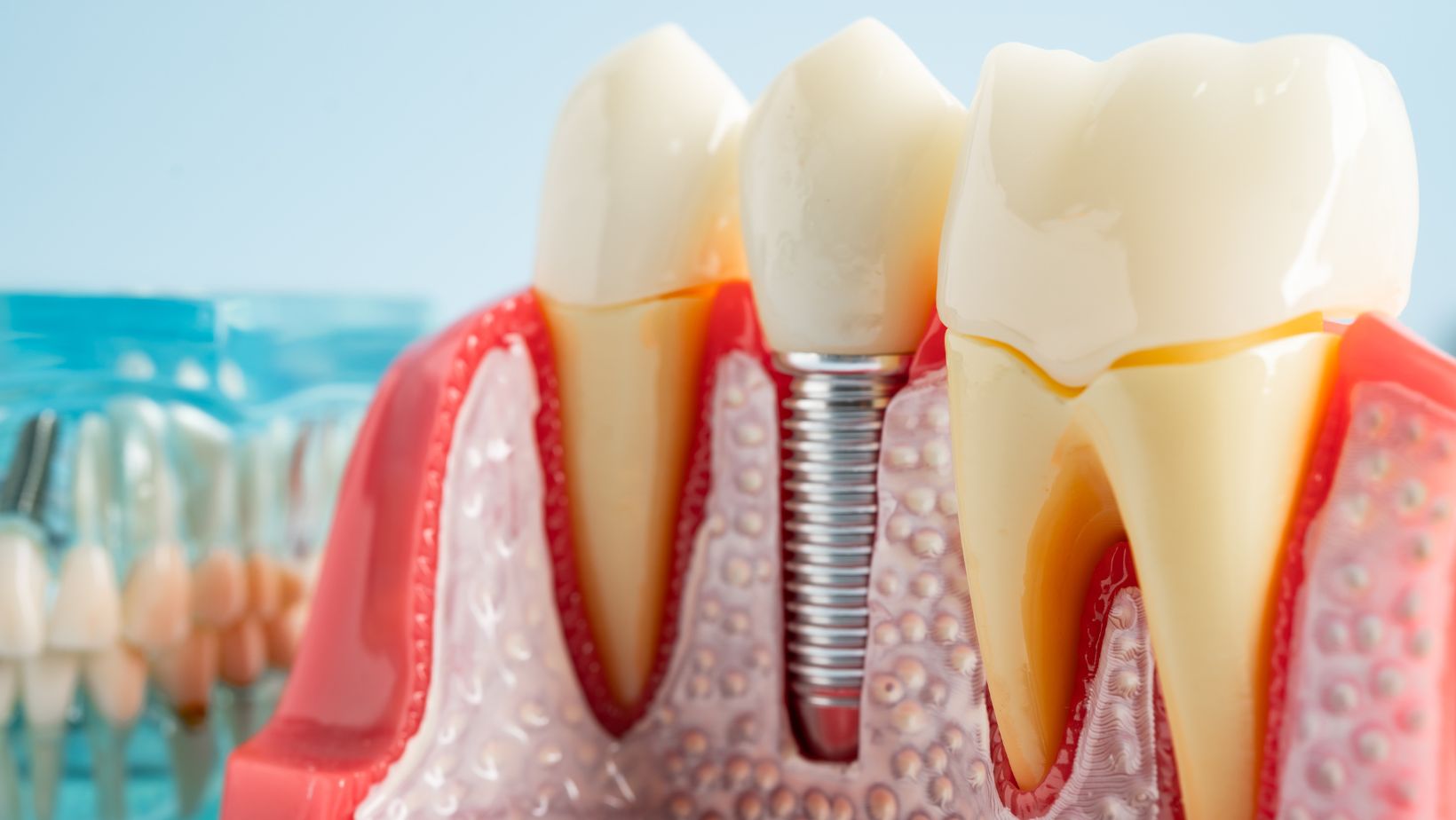
Post-surgery care is important for healing, and you should follow your dentist’s advice on oral hygiene and check-ups to ensure the implant lasts.
Key Benefits Over Traditional Implants
Pterygoid implants give you options that traditional implants often cannot. They provide stronger support in areas where bone loss is severe, let you get your implants ready faster, and reduce the need for extra surgeries to build up bone.
Enhanced Stability in Atrophic Maxilla
If your upper jaw has lost bone, traditional implants may not find enough support to hold well. Pterygoid implants anchor into a dense bone area behind the upper jaw called the pterygoid process. This bone is stronger and less affected by bone loss.
This placement gives your implant better stability. Because of this, your dental implant will have a firmer hold, reducing the chance of failure. It also allows implants to be placed where traditional ones often can’t, helping you avoid gaps or removable dentures.
Immediate Loading Possibilities
With traditional implants, you often have to wait several months for the bone to heal before putting on a crown or denture. Pterygoid implants can sometimes carry immediate or early loading. This means you can get your replacement teeth faster after surgery.
The strong bone in the pterygoid region supports the implant right away. This can shorten your treatment time and help you get back to normal chewing sooner. Immediate loading also helps you maintain jaw function and confidence during healing.
Minimized Need for Bone Grafting
Bone grafts add time, cost, and risk to implant surgery. They are often needed when traditional implants do not have enough bone to hold onto. Pterygoid implants usually avoid the need for bone grafting because they use existing dense bone in a different area.
By skipping grafts or sinus lifts, your treatment will be less invasive. This means fewer surgeries, less pain, and faster recovery. You also reduce the chance of complications linked to bone grafts. This benefit makes treatment more straightforward and accessible if you have severe bone loss.
Clinical Considerations and Patient Outcomes
You should understand the chances of success, what to expect after surgery, and possible risks when choosing pterygoid implants. These factors affect how well the implants work and how comfortable your recovery will be.
Long-Term Success Rates
Pterygoid implants show survival rates similar to or better than traditional implants. Studies report success rates near 90-95% after one year. These implants anchor in dense bone behind the maxilla, which helps with stability and reduces the chance of failure.
Bone quality and your overall health can impact how well the implant lasts. Good hygiene and regular dental visits are important for long-term success. Compared to other implants in the back of the upper jaw, pterygoid implants avoid the need for bone grafts, which lowers the risk of complications.
Post-Operative Recovery
Recovery from pterygoid implant surgery is usually smooth. You might have swelling, mild pain, or some bruising, but these symptoms often improve within a week. Using pain medication and following your dentist’s care advice helps ease discomfort.
Because the surgery avoids sinus lifts or bone grafting, healing time tends to be shorter than traditional methods. You can expect less invasive care and fewer appointments. Still, you need to avoid putting pressure on the implant area during healing to prevent movement or loosening.
Potential Risks and Complications
Like all surgeries, pterygoid implants carry some risks. Possible complications include infection, bleeding, or nerve injury. These risks are low but can cause pain or numbness if they occur.
Around the implant, issues like plaque buildup or bone loss are possible. Your dentist will monitor these closely with checkups. The unique implant position requires precise placement; mistakes could lead to implant failure or damage to nearby structures.
You should weigh these risks against the benefits and discuss any concerns with your dental professional. Proper planning reduces the chance of problems.











Discussion about this post