
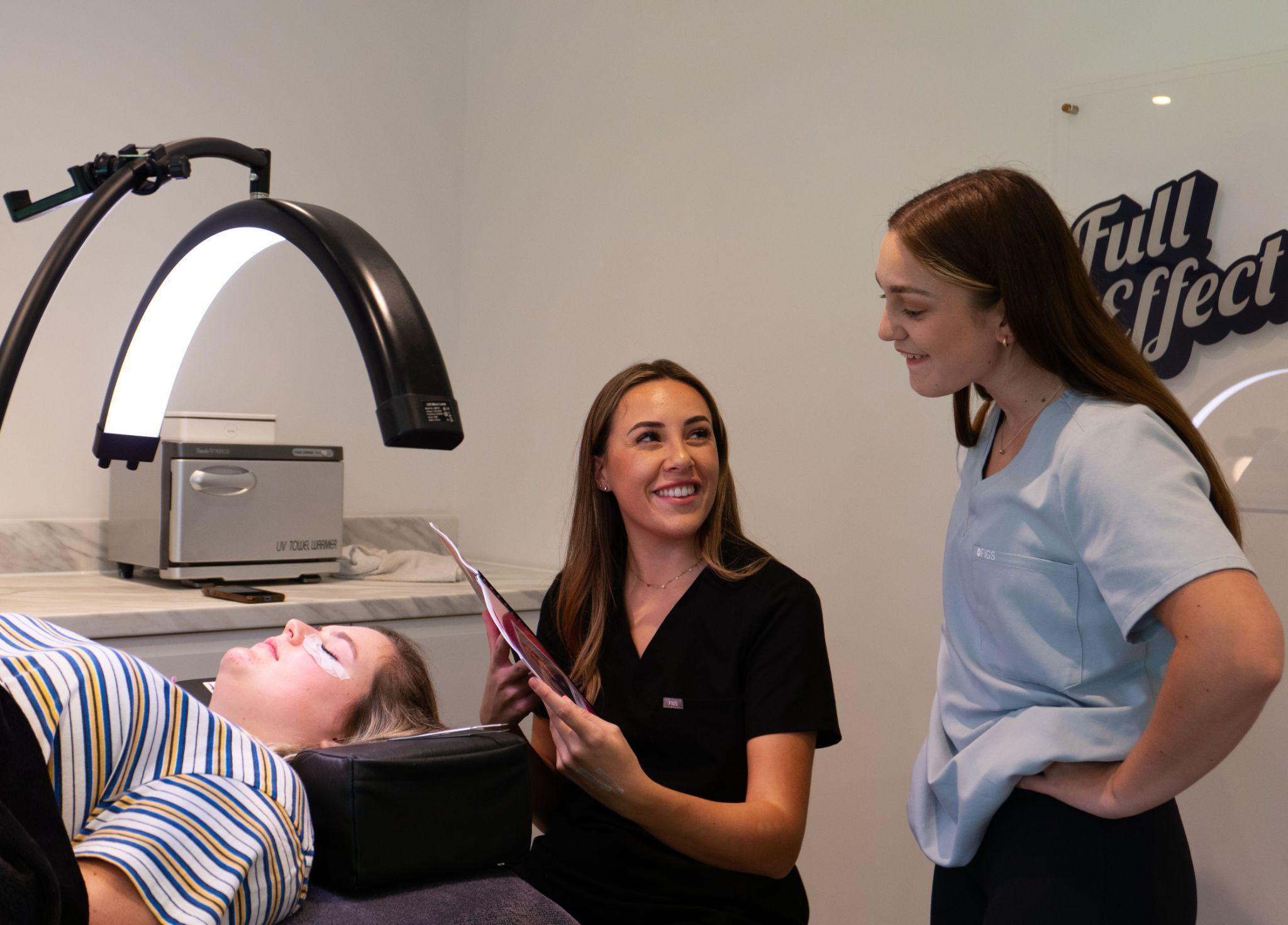
Aesthetic treatments have become a regular part of many people’s self-care routines. From injectables and skin rejuvenation procedures to advanced cosmetic treatments, individuals are investing in services that help them look and feel their best. While the desire for enhanced appearance often motivates these decisions, one important factor should never be overlooked: health.
Before any aesthetic procedure takes place, a medical screening can provide valuable information that helps protect patient safety and improve treatment outcomes. It is an essential step that allows healthcare professionals to evaluate a person’s medical history, discuss lifestyle factors, and determine whether a treatment is appropriate for their individual needs.
As beauty and wellness continue to become more interconnected, medical screening is playing a larger role in helping patients achieve safer and more satisfying aesthetic experiences.
Why Health Matters in Aesthetic Care
Many cosmetic procedures may seem simple on the surface, but they can still be influenced by a person’s overall health. Factors such as medications, allergies, chronic conditions, and previous treatments can affect how the body responds to a procedure.
Because every patient is different, aesthetic care should never follow a one-size-fits-all approach. A treatment that works well for one person may not be ideal for another.
Medical screening helps providers gain a better understanding of important health factors, including:
- Current medical conditions
- Prescription medications
- Allergies and sensitivities
- Previous cosmetic procedures
- Skin health concerns
- Lifestyle habits
- Personal treatment goals
By gathering this information beforehand, providers can create treatment plans that prioritize both safety and effectiveness.
The Connection Between Beauty and Wellness
Today’s approach to beauty extends beyond appearance alone. Many individuals now view aesthetic treatments as part of a larger wellness journey.
Healthy habits can significantly influence cosmetic results and recovery. For example, proper nutrition, quality sleep, hydration, and stress management all contribute to healthier skin and improved healing.
Some lifestyle factors that may affect aesthetic outcomes include:
- Daily nutrition choices
- Water intake
- Sleep quality
- Physical activity
- Stress levels
- Tobacco use
- Alcohol consumption
- Sun exposure habits
When providers understand these lifestyle factors, they can offer recommendations that support both treatment success and overall well-being.
This holistic perspective reflects the growing relationship between beauty and health in modern aesthetic medicine.
Benefits of Medical Screening Before Aesthetic Treatments
A pre-treatment evaluation offers numerous advantages that benefit both patients and providers.
1. Improved Patient Safety
Safety is the foundation of every successful aesthetic procedure. Medical screenings help identify factors that could increase risks or affect recovery.
Recognizing potential concerns before treatment allows providers to make adjustments or recommend alternative options when necessary.
2. Personalized Treatment Plans
Every patient has unique goals and health considerations. Medical evaluations provide the information needed to create customized treatment plans that align with individual circumstances.
Personalized care often leads to:
- More appropriate treatment recommendations
- Better communication
- Increased patient satisfaction
- More realistic expectations
3. Better Treatment Outcomes
When providers have a complete understanding of a patient’s health history, they can make more informed decisions about treatment options.
This often contributes to:
- Improved results
- Reduced complications
- Smoother recovery
- Greater long-term satisfaction
4. Increased Confidence
Many patients feel more comfortable moving forward with treatment after a professional evaluation.
Knowing that a provider has carefully reviewed their health information can provide reassurance and help reduce uncertainty about the procedure.
5. Stronger Patient-Provider Relationships
Medical screenings create opportunities for meaningful conversations about goals, expectations, and concerns.
These discussions help build trust and encourage patients to become active participants in their care.
Why Preventive Care Is Important
Preventive healthcare focuses on identifying potential issues before they become larger problems. This same principle applies to aesthetic medicine.
A medical screening allows providers to address concerns before treatment begins rather than reacting to complications later.
Preventive evaluations help patients:
- Better understand their health status
- Make informed treatment decisions
- Identify potential risks
- Explore alternative options when needed
- Feel more confident throughout the treatment process
This proactive approach helps create safer and more positive experiences for everyone involved.
Understanding the Value of Professional Evaluations
Many aesthetic practices recognize the importance of thorough medical assessments before treatment. These evaluations are designed to ensure that recommendations are based on health considerations as well as cosmetic goals.
One example is a good faith exam in Texas, which allows qualified healthcare professionals to review a patient’s medical history and determine whether specific aesthetic treatments are appropriate. This process helps establish a safer foundation for care while supporting informed decision-making.
Rather than being viewed as a formality, these evaluations should be seen as an important investment in patient safety and long-term satisfaction.
Questions to Ask Before Receiving Treatment
A consultation and medical screening provide valuable opportunities to ask questions and gather information.
Patients may consider asking:
- Am I a good candidate for this procedure?
- Are there any health factors that may affect my results?
- What risks should I be aware of?
- How should I prepare before treatment?
- What can I expect during recovery?
- Are there alternative options available?
These conversations help patients develop realistic expectations and feel more confident about their choices.
Choosing Providers Who Prioritize Patient Health
As aesthetic treatments continue to grow in popularity, patients have more choices than ever before. However, selecting the right provider remains one of the most important decisions in the process.
Patients should look for providers who emphasize:
- Medical evaluations
- Patient education
- Personalized treatment planning
- Transparent communication
- Safety-focused protocols
Whether someone visits a dermatology office, cosmetic clinic, or a med spa in Colleyville, choosing a provider that prioritizes health can significantly improve the overall experience.
Providers who take the time to understand a patient’s health history are often better positioned to recommend treatments that align with both cosmetic goals and wellness needs.
Final Thoughts
Aesthetic treatments can be a valuable part of a healthy and confident lifestyle, but they should always begin with a clear understanding of the patient’s overall health. Medical screening provides an opportunity to evaluate important health factors, identify potential risks, and develop personalized treatment plans that support safety and success.
By combining health awareness, lifestyle considerations, and professional guidance, patients can make informed decisions that enhance both their appearance and well-being. In today’s evolving world of aesthetic medicine, medical screening remains one of the most effective ways to create safer beauty experiences and achieve results that patients can feel good about for years to come.











Discussion about this post