
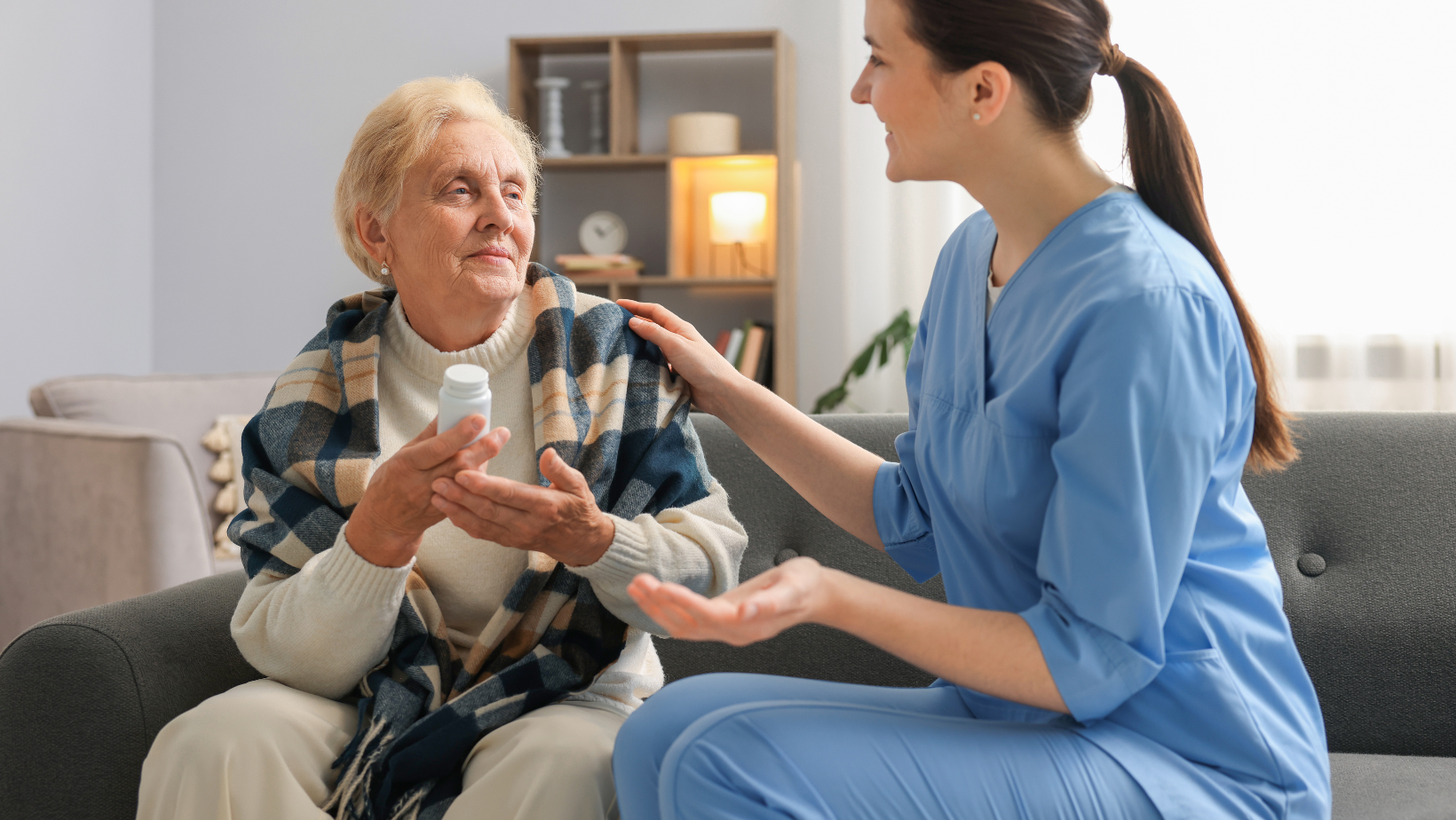
Recovering at home can feel calmer than staying in a facility, especially after a hospital visit. Skilled home health brings nurses and therapists directly to the home, ensuring that recovery care does not fall through the cracks. It is often used after surgery, illness, or an injury when follow up care still matters. This kind of support helps people build strength while staying close to family and normal routines. With personalized home care services, care is tailored to the individual, not a standard routine. Recovery becomes easier to manage when the right care shows up at the right time.
What Skilled Home Health Includes
Skilled home health is medical care delivered at home under a doctor ordered plan. It may include nursing visits, therapy, and education that supports day to day safety. The care team tracks symptoms, checks progress, and adjusts goals as recovery moves forward. Visits are scheduled based on need, so support can increase or decrease over time. This structure helps reduce stress because patients know what to expect. It also helps family members understand their role without feeling overwhelmed.
Nursing Support That Prevents Setbacks
Nurses play a central role during at home recovery. They can manage wound care, check vital signs, and watch for changes that may signal a problem. Medication support is also important, since missed doses or mix ups can slow healing. A nurse can review instructions, explain side effects in plain language, and help set up a routine. This steady oversight lowers the risk of avoidable complications. It also helps patients feel supported between doctor visits.
Therapy At Home That Fits Real Life
Therapy is often a major part of healing, and home based sessions can be very practical. Physical therapy can improve strength, balance, and safe walking in the same spaces people use every day. Occupational therapy can support bathing, dressing, and kitchen tasks so daily life feels possible again. Speech therapy can help with communication, memory, and swallowing when needed. Working in the home allows the therapist to spot real barriers and correct them. Progress can feel more natural because practice happens where life happens.
Care Coordination And Progress Tracking
Skilled home health works best when communication is clear across the care team. Clinicians document changes, track goals, and share updates with the ordering provider when needed. This coordination helps keep the plan on course and reduces confusion about next steps. When equipment is required, such as a walker or safety supports, guidance can be provided on proper use. Education is also ongoing, so patients and caregivers learn what to watch for. Better tracking often leads to better timing for follow up appointments and transitions.
Local Dallas Support From Elara Caring
Local care matters because recovery is not only medical, it is also personal. In Dallas Texas, Elara Caring provides skilled support that meets people where they are, both physically and emotionally. A local team understands common care pathways in nearby hospitals and clinics, which can make coordination smoother. Familiarity with the area can also help when families need community resources during recovery. This kind of steady presence builds trust over time. For professionals balancing work and family needs, reliable home visits can ease the load.
Skilled home health helps recovery feel more stable by bringing clinical care into the home. Nursing support can prevent setbacks through careful monitoring and clear medication routines. Therapy services build strength and confidence using the real home environment as the training space. Coordination across the care team keeps goals clear and helps changes happen at the right time. In Dallas Texas, Elara Caring offers a local option for people who want professional support without leaving home. This model supports comfort, safety, and steady progress during healing.




Discussion about this post