
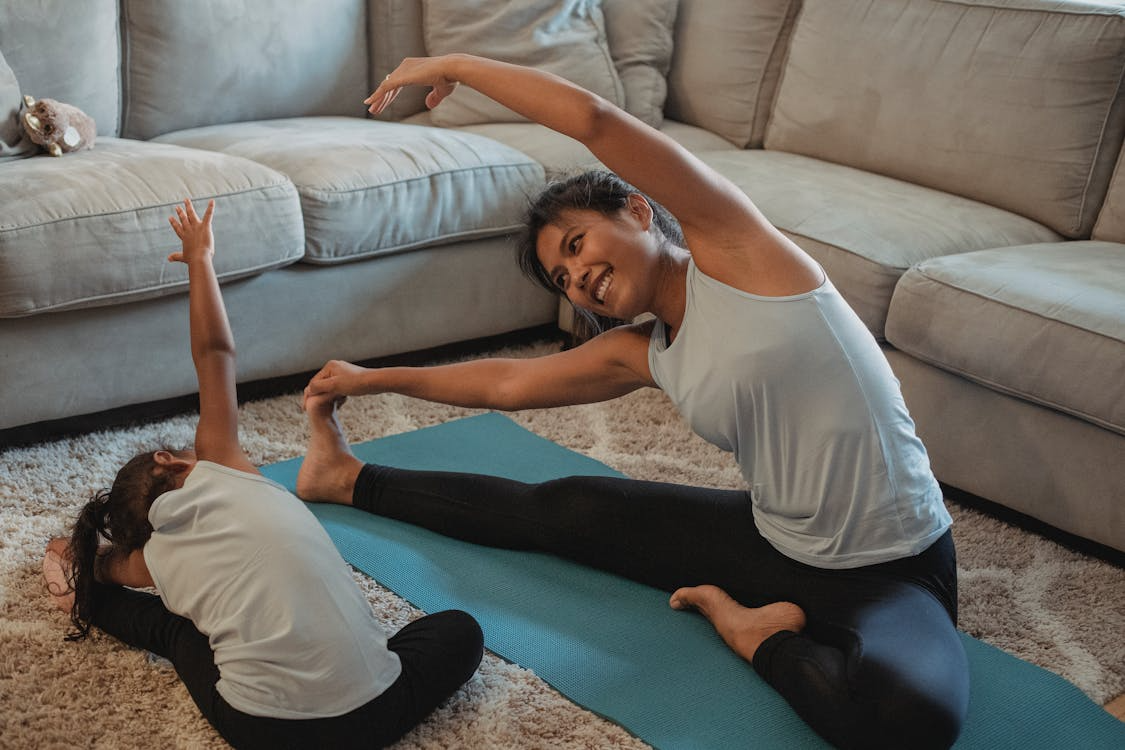
Designing a balanced fitness plan for any age seems complex.
The reality…
It doesn’t have to be. The basics of physical health are pretty consistent from 25 to 75. It’s the implementation of those basics that changes.
According to the CDC, only 13.9% of adults over 65 are meeting federal guidelines for physical activity. The rest of us aren’t active enough. Yikes.
The good news?
It’s not impossible to create a fitness routine that will work for every age group. It just takes the right approach.
In this guide, you’ll learn:
- Why it’s important to age appropriately with exercise
- The main ingredients of any balanced fitness plan
- Low-impact exercise options that still have results
- How to make a routine for each age group stick
Why It’s Important to Age Appropriately With Exercise
Physical health isn’t a one-size-fits-all deal.
The 30-year-old body and the 70-year-old body have different fitness needs. Joint health, muscle mass, balance and recovery change as people age.
But that doesn’t mean seniors should stop being active.
In fact, quite the opposite. Regular exercise is even more important as the body ages. Physical activity can help prevent chronic diseases, maintain mobility and keep the mind sharp.
The key?
Finding the right kinds of exercise for someone’s current fitness level and age without increasing injury risk. This is where the Nustep recumbent stepper and other low-impact equipment can really shine. These machines offer both cardio and strength training benefits with a fraction of the impact on joints. They’re perfect for those who need a high-calorie-burn workout without the pounding.
Think about it…
High impact exercises like running are tough on knees and hips. For someone with arthritis or other joint issues, that is a major pain point. Low-impact options can provide the same benefits without causing pain.
The Core Components of Any Fitness Plan
All fitness plans are made up of the same four main ingredients. Remove one and the whole thing crumbles.
Here’s what to include:
- Cardiovascular exercise: Walking, swimming, cycling. You name it. Cardiovascular exercise gets the heart pumping and builds endurance.
- Strength training: Lifting weights, resistance bands or even bodyweight exercises. Strength training counters the natural loss of muscle mass that comes with age.
- Flexibility work: Stretching, yoga or other flexibility work keep joints mobile and reduce the risk of injury.
- Balance training: Tai chi and other balance training exercises. These are especially important for older adults to prevent falls.
The CDC actually has concrete guidelines for adults in every age group. At least 150 minutes of moderate-intensity aerobic exercise each week plus two days of muscle-strengthening activities.
That sounds like a lot?
Divide it up and it’s about 30 minutes a day for five days a week. Tons of research has proven that’s not just a good place to start for physical health, but also a vital baseline for mental health.
Low-Impact Options That Still Give Results
Low-impact exercise isn’t low-reward.
This is where most people make the mistake. They assume that gentle exercise won’t give any of the benefits that something more intense does. But that isn’t true.
Studies have shown that low-intensity exercise can reduce depressive symptoms by 29% in older adults. It can also result in more physical benefits like improved flexibility, better balance and increased lower limb strength.
Check out some effective low-impact options:
- Swimming and water aerobics: Water naturally supports body weight while providing some resistance. Perfect for people with joint pain.
- Recumbent steppers and bikes: The recumbent, or seated, position is great for back and joint issues while still allowing for a cardio workout.
- Chair-based exercise: Exercises that can be done sitting down or using a chair for support. Ideal for those with very limited mobility.
- Tai Chi: The slow, deliberate movements of Tai Chi help improve balance and coordination. Research shows it can be effective for reducing fall risk.
- Pilates: Focuses on core strength and overall posture. Challenging but not jarring on the body.
The beauty of low-impact exercise?
Low-impact options often don’t require rest days. High-impact workouts can’t be done as often because the body needs to recover. Gentle exercise can be more frequent without over-taxing the system.
Building the Right Routine for Each Age Group
It’s not about going softer with age. It’s about going smarter.
In your 20s and 30s:
You’re in the prime of life when it comes to fitness. Intensity is generally less of an issue. This is the time to lay the foundation for a lifetime of fitness.
Focus on incorporating a mixture of cardio and strength training. Push yourself. This is the time when the body can handle it. Don’t ignore stretching and flexibility work though. Young adults who skimp on flexibility often pay for it later in life.
In your 40s and 50s:
Things start to change. You aren’t bouncing back from hard workouts as quickly.
Add in more low-impact options. Keep lifting weights or doing bodyweight strength training to avoid natural muscle loss. Joint health becomes more of a focus.
This is the time when many people start to develop issues that could have been avoided.
In your 60s and up:
Balance and fall prevention become big priorities. Strength training is still vital, just be more selective about how it’s done.
Focus on functional fitness that helps with daily tasks. Standing up from a chair. Climbing stairs. Grocery shopping.
Low-impact cardio options are the best. Swimming, walking, recumbent machines. Get the heart rate up without risking injury.
Making Exercise Stick at Any Age
Exercise adherence. It’s the hardest part of any fitness plan.
Here’s what actually works:
- Start small. Don’t go from zero to 60 miles per hour right away. Ease into it. Even 10-15 minutes is a good start.
- Find activities you enjoy. If you dread something, don’t do it. Running isn’t for everyone. That doesn’t mean there aren’t tons of other options.
- Connect socially. Workout partners hold each other accountable. Group classes build community.
- Track progress. Nothing is more motivating than seeing the results of your efforts. Use a calendar, an app or even a simple journal.
- Be flexible. Some days you just don’t have it. And that’s okay. Rest when needed. What matters is consistency over time, not perfection in the moment.
The worst thing someone can do?
Go too hard too fast and get injured. An injury derails progress and completely kills motivation. Better to take things slow and build up gradually.
Wrapping It Up
Creating a balanced fitness plan for all ages comes down to the same few key principles.
Cardiovascular exercise. Strength training. Flexibility and balance work. Using the right intensity and low-impact options when necessary. And, of course, doing it consistently.
It’s a recipe that has been proven to work over and over. But it’s also a pattern the majority of adults in the US aren’t following closely enough.
The data on physical inactivity is downright alarming.
But it doesn’t have to be this way for everyone. With the right approach, fitness can be a practice that people do their whole lives.
It really is that simple.
Start where you are. Use what you have. Do what you can. The body will respond at any age.











Discussion about this post