
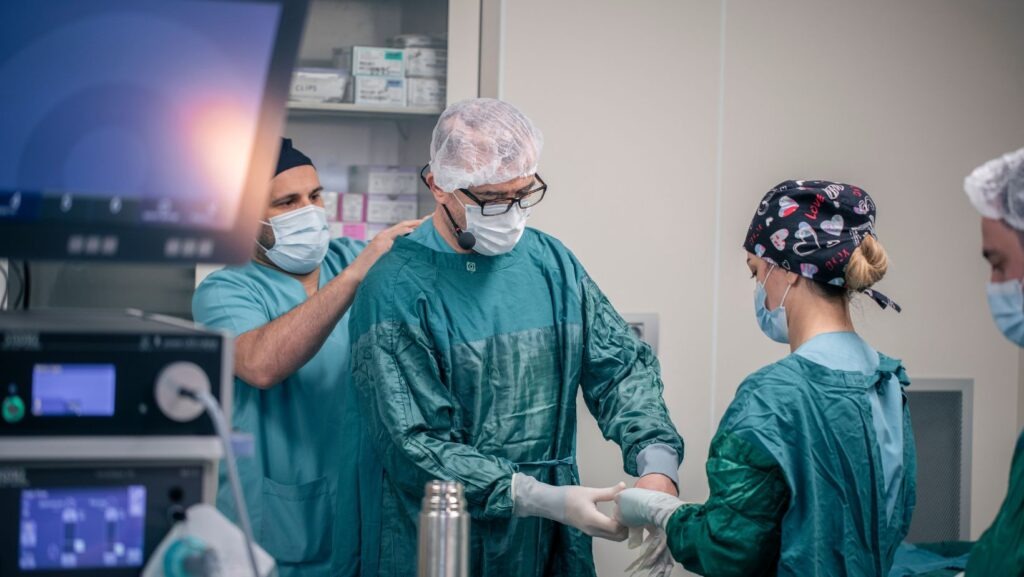
Advancements in modern medicine increasingly reflect a powerful shift: patients no longer seek care solely to treat symptoms or halt disease progression. They want restoration, improvement, and in many cases, a return to confidence and daily function. This shift is evident in the growing intersection of surgical innovation and regenerative science, where approaches once considered separate are now converging to rethink how the body heals. From orthopedics and dermatology to reconstructive plastic surgery and hair restoration, clinicians and researchers are moving far “beyond diagnosis” and toward comprehensive repair.
Across these disciplines, the idea of correcting past medical outcomes—whether from injury, aging, or unsuccessful treatments—has become a major area of focus. The demand is driven by both patient expectations and technological progress. Medical communities and professional bodies continue to emphasize the importance of safe, effective, evidence-aligned approaches, and that expert consensus now commonly includes the role of regenerative therapies alongside traditional surgery. As a result, corrective care is no longer a niche but an integral element of modern practice.
The Modern Shift Toward Repair-Oriented Medicine
For decades, medical intervention has primarily aimed to treat disease or manage symptoms. Today, however, fields such as regenerative medicine and minimally invasive surgery are expanding the possibilities of restoring function and appearance. Orthopedic surgeons rely increasingly on biologic therapies to support tissue healing after repair procedures. Plastic surgeons combine surgical reshaping with advanced wound-healing techniques to enhance both aesthetics and long-term outcomes. Dermatologists incorporate regenerative tools to address scarring, structural issues, and age-related changes.
Across these domains, patients are better informed than ever, often arriving with an understanding of available technologies and expected results. Professional organizations in surgical and regenerative fields frequently stress the value of combining proven clinical methods with new biologic strategies, especially for individuals seeking improvement after complications or less-than-ideal results. This alignment between scientific evolution and patient need is reshaping treatment planning and broadening what “repair” can mean.
When Traditional Outcomes Fall Short
Even with skilled practitioners and established techniques, medical procedures do not always produce the desired result. Variability in healing, unexpected complications, or outdated methods may lead patients to seek improvement. Corrective work—once viewed as purely secondary—is now recognized as a vital extension of patient-centered care.
This is particularly evident in areas where precision and aesthetics merge. In plastic and reconstructive surgery, for example, correcting scar tissue, asymmetry, or functional issues often requires advanced planning and multidisciplinary insight. In orthopedic care, a failed ligament repair or improperly healed fracture may call for revision procedures supported by biologic scaffolds or cellular therapies. And in hair restoration, patients who previously underwent outdated or poorly executed transplants often explore modern techniques that prioritize natural appearance and long-term viability.
Midway through this evolving landscape, individuals increasingly turn to refined corrective procedures that integrate both surgical skill and regenerative support. These treatments reflect broader industry trends emphasizing personalized approaches, meticulous assessment, and improved healing environments.
Regenerative Medicine’s Expanding Role
Regenerative medicine is no longer considered experimental by most mainstream medical communities. Over the past decade, clinicians across specialties have embraced its potential to support tissue repair, improve surgical outcomes, and enhance patient recovery. While responsible practice avoids overstating its capabilities, there is widespread professional consensus that regenerative tools—when used appropriately—offer meaningful advantages.
In orthopedics, biologic injections and scaffold materials are frequently used to complement surgical procedures, promoting healing in tissues that traditionally recover slowly. Dermatology has seen a surge in regenerative approaches to minimize scarring, refine skin texture, and restore structural integrity after trauma or previous treatments. Plastic surgeons incorporate regenerative elements to support grafts, improve wound healing, and create more durable aesthetic outcomes.
Hair restoration is another field transformed by regenerative technologies. Many clinicians use growth-factor-rich therapies and refined surgical techniques to restore hair density while improving scalp condition, especially in cases where patients previously experienced unnatural results. These innovations reflect a broader alignment between surgical precision and biologic enhancement—a partnership that continues to redefine patient expectations.
Technology, Techniques, and the Art of Revision
Corrective and revision-oriented care requires more than simply redoing a procedure. It calls for specialized assessment, refined technique, and a deep understanding of tissue behavior. Surgeons who perform revision work often blend advanced imaging, precision instrumentation, and biologic support to structure their plans.
Techniques such as robotic-assisted surgery, high-resolution imaging, and computer-guided mapping allow clinicians to make more accurate adjustments and construct more predictable outcomes. In aesthetic fields, microscopic evaluation of tissues, improved grafting methods, and minimally invasive tools enable practitioners to correct issues without creating new ones. Many professional training programs now emphasize revision expertise as a core competency, underscoring how essential it has become in today’s medical landscape.
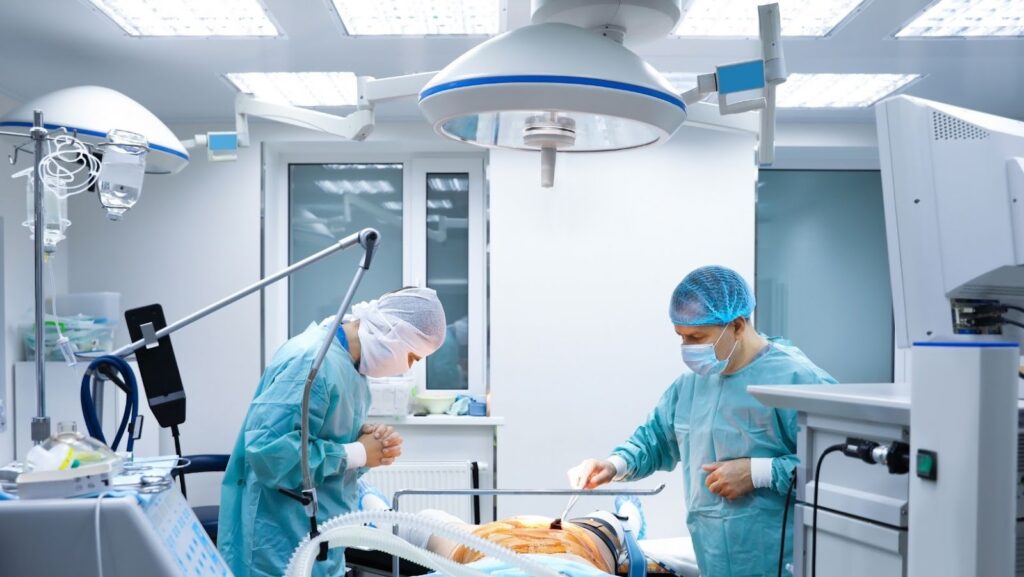
Patients also play a larger role in decision-making, supported by clearer communication, realistic expectation-setting, and transparent explanation of risks and benefits. Medical communities widely acknowledge that revision procedures require patience and precision, but when approached responsibly, they can significantly improve quality of life.
The Future of Corrective and Regenerative Care
Looking ahead, the path of corrective medicine is guided by integration. Surgeons and regenerative specialists increasingly collaborate, drawing from each other’s strengths to build outcomes that were difficult to achieve even a decade ago. Innovations in biomaterials, cell-based therapies, and microsurgical techniques are shaping a future in which repair is more targeted, less invasive, and better aligned with the body’s natural biology.
Ethical practice remains central. Institutions and expert panels consistently encourage the use of evidence-based regenerative tools, transparent patient education, and continuous training in revision techniques. As these standards strengthen, corrective care will likely become even more accessible, refined, and aligned with long-term wellness.
Conclusion
The evolution of corrective medicine reflects a deeper truth: patients want more than treatment—they want restoration, confidence, and the ability to move forward without limitations created by the past. As surgical and regenerative fields continue to merge, they offer solutions that are both sophisticated and empathetic, blending science with artistry.
Whether correcting the effects of injury, refining previous results, or supporting natural healing, today’s corrective approaches are transforming how practitioners deliver care. The medical community’s commitment to safe innovation ensures that as technology advances, patient well-being remains at the center of every decision. In this new landscape, “beyond diagnosis” truly means embracing the full potential of repair, renewal, and long-term restoration.












Discussion about this post