

When patients seek treatment for varicose veins, spider veins, or venous insufficiency, they want more than a single procedure—they want a trusted vein specialist who combines accurate diagnosis, modern minimally invasive techniques, and a clear plan for long-term vascular health. Specialized providers such as Metro Vein Centers focus on identifying the underlying vein condition, matching patients with evidence-based treatments, and setting realistic expectations for recovery and outcomes. This article explains why choosing a qualified specialist matters, breaks down common vein conditions and current treatment options, and outlines what patients can expect before, during, and after care, helping readers evaluate providers and make confident, informed decisions about advanced vein treatment.
Why Choosing A Trusted Vein Specialist Matters
Selecting a trusted vein specialist changes outcomes. Venous disease sits on a spectrum, from cosmetic spider veins to chronic venous insufficiency that causes pain, swelling, skin changes, and ulcers. A specialist trained in phlebology or vascular medicine identifies the underlying cause rather than treating surface symptoms alone. That distinction affects recurrence rates, complication risk, and overall patient satisfaction.
A credible specialist will:
- Prioritize diagnostic imaging (duplex ultrasound) to map reflux and occlusion rather than relying on the visual exam alone.
- Offer evidence-based, minimally invasive options before recommending surgery.
- Provide individualized treatment plans that factor in comorbidities, activity level, and cosmetic goals.
Patients who see reputable specialists typically report faster recovery, fewer repeat procedures, and better long-term results. For anyone comparing providers, outcomes matter more than marketing claims. Look for consistent, documented improvements in symptoms and function, not only before-and-after photos.
Common Vein Conditions and How They Affect Health
Vein disorders present in ways that range from purely aesthetic to medically significant. Understanding core conditions helps patients and referring professionals decide when specialist care is warranted.
Chronic venous insufficiency (CVI)
CVI occurs when valves inside leg veins stop closing properly, allowing blood to pool. Symptoms include aching, heaviness, swelling, skin discoloration, and, in advanced cases, venous ulcers. Left untreated, CVI can impair mobility and quality of life.
Varicose veins
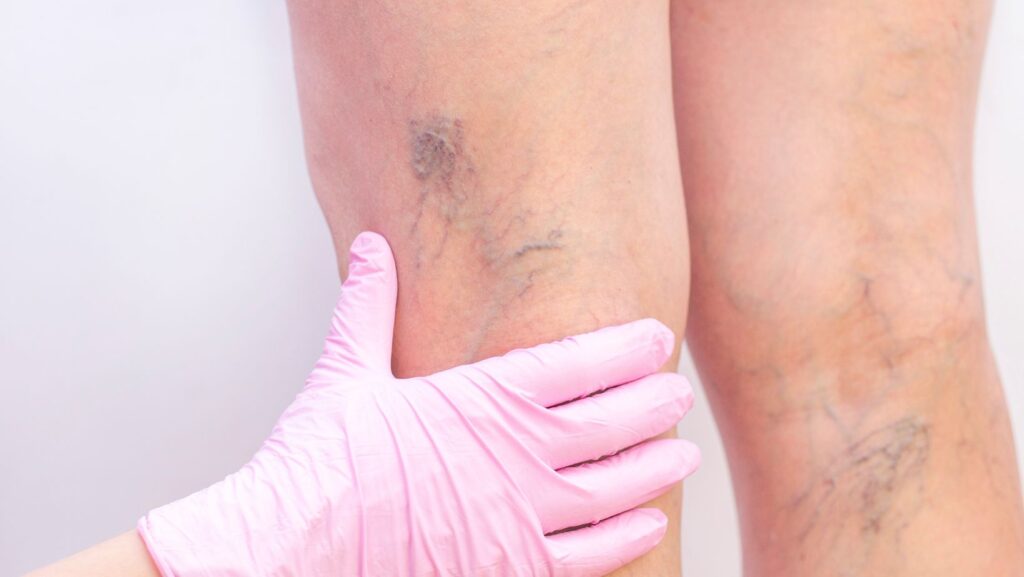
Bulging, tortuous superficial veins are common and may cause discomfort or cramping. Beyond appearance concerns, large varicose veins often indicate significant reflux in deeper superficial trunks that require targeted treatment.
Spider veins (telangiectasias)
Small, dilated vessels near the skin surface usually pose little health risk but can cause self-consciousness and indicate underlying reflux in some patients.
Deep vein thrombosis (DVT)
A clot in the deep venous system is an emergency due to the risk of pulmonary embolism and post-thrombotic syndrome. While DVT management differs from elective vein care, specialists coordinate with hematology and vascular teams when needed.
Advanced Diagnostic Tools and Evaluation Process
Accurate diagnosis begins with a thorough history and exam, but depends on imaging. Duplex ultrasound is the gold standard: it visualizes flow, identifies reflux segments, locates incompetent perforator veins, and rules out deep venous obstruction. Some centers incorporate venous mapping software or intravascular ultrasound in complex cases. A thoughtful evaluation reduces unnecessary procedures and targets the veins that actually drive symptoms.
Key Minimally Invasive Treatment Options Explained
Contemporary vein care emphasizes minimally invasive therapies performed under local anesthesia with rapid recovery. A skilled specialist tailors modality choice to anatomy, symptom burden, and patient preference.
Endovenous Laser Ablation (EVLA) and Radiofrequency Ablation (RFA)
EVLA and RFA treat refluxing saphenous veins by delivering thermal energy to the vein wall, causing closure and rerouting blood to healthy veins. Both techniques report high success rates (typically above 85 –90% at 1 year in many series) and low complication profiles when done with ultrasound guidance. The specialists’ experience with device selection, tumescent anesthesia technique, and postprocedure compression affects outcomes.
Sclerotherapy, Foam Treatments, and VenaSeal
Sclerotherapy injects a solution into small-to-medium veins, causing collapse and absorption. For larger trunks, foam sclerosants improve contact with the vein wall. VenaSeal is a medical adhesive that occludes target veins without heat; it can reduce procedure-related pain and eliminate the need for tumescent anesthesia. Each option has trade-offs: sclerotherapy is excellent for spider veins and reticular veins, whereas VenaSeal and thermal ablation address larger refluxing trunks.
Ambulatory Phlebectomy and Complementary Therapies
Ambulatory phlebectomy removes prominent surface varicosities through tiny incisions: it pairs well with trunk ablation for optimal cosmetic and symptomatic results. Complementary treatments include compression therapy, topical care for skin changes, and coordinated management of edema or lymphedema when present. A comprehensive program integrates these elements rather than relying on a single technique.
What to Expect During Consultation and Treatment Planning
A quality consultation is part medical evaluation and part shared decision-making. The specialist reviews symptoms, performs a duplex ultrasound, and discusses realistic outcomes based on anatomy and lifestyle.
Preparing for Your Visit and Initial Assessment Steps
Patients should bring a list of medications, prior imaging or reports, and a clear description of symptoms (timing, triggers, and impact on daily activities). The clinic typically performs a standing physical exam and on-site duplex mapping. This visit results in a personalized plan outlining recommended procedures, alternatives, and expected recovery timelines.
Insurance, Costs, and Financing Options
Insurance coverage depends on whether the treatment is deemed medically necessary. Procedures for symptomatic venous reflux or ulcer care often qualify; purely cosmetic treatments (isolated spider veins) may not. A reputable practice provides itemized cost estimates, explains coding and documentation used for claims, and offers financing or payment plans when needed. Transparency about likely out-of-pocket expenses prevents surprises and supports informed consent.
Recovery, Aftercare, and Long‑Term Vein Health Maintenance
Recovery after minimally invasive vein procedures tends to be quick, but proper aftercare improves results and reduces recurrence.
Postprocedure Care, Activity Guidelines, and Follow‑Up
Most patients walk immediately after EVLA, RFA, or sclerotherapy and return to light activity within 24 –48 hours. Compression stockings are commonly recommended for 1 –2 weeks to reduce bruising and support healing: some protocols vary by modality. Follow-up duplex ultrasound at 1 –3 months confirms vein closure and identifies residual reflux. A reliable specialist schedules routine follow-up and addresses any complications promptly.
Lifestyle Changes and Preventive Strategies to Reduce Recurrence
Long-term vein health hinges on modifiable factors: maintaining a healthy weight, regular leg-focused exercise (walking and calf-strengthening), avoiding prolonged immobility, and using compression when appropriate.
Smoking cessation and managing comorbidities like diabetes and hypertension also support vascular health. For professionals managing teams or traveling frequently, small workplace adjustments (scheduled walking breaks, ergonomic seating with footrests) can limit venous strain over time.
How to Evaluate and Choose the Right Vein Specialist
Choosing the right provider requires more than a polished website. The following criteria help distinguish experienced specialists from generalists.
Credentials, Experience, and Procedure Volume to Look For
Look for board certification in vascular surgery, interventional radiology, or relevant certifications in phlebology. Experience matters: providers who perform high volumes of endovenous procedures tend to have refined techniques and lower complication rates. Inquire about the team’s ultrasound expertise; accurate mapping is central to success.
Questions to Ask During Your Consultation
- Which veins are driving my symptoms, and how do you know?
- What treatment do you recommend first, and why?
- What are the realistic benefits and risks?
- Can you show outcome data or patient-reported results?
- How many similar procedures have you performed, and what is your complication rate?
A thoughtful specialist welcomes these questions and provides clear, data-backed answers rather than scripted reassurances.
Patient Experience, Outcomes, and Reviews: What They Reveal
Patient reviews reveal patterns: consistent praise for clear communication, efficient scheduling, and dependable follow-up indicates a well-run practice. Look for outcome-focused evidence such as case series, success rates, and published data when available. When comparing providers, prioritize objective measures (closure rates, symptom scores) over marketing images alone.
Conclusion
Advanced vein care delivers excellent results when directed by a trusted specialist who combines precise diagnostics, a full range of minimally invasive treatments, and structured aftercare. For patients, the right choice reduces symptoms, minimizes downtime, and lowers the chance of recurrence. For referring clinicians or professionals advising others, the hallmark indicators of quality are rigorous imaging, experience with multiple modalities, transparent cost communication, and demonstrable outcomes. Choosing wisely today often prevents more extensive interventions later and preserves both health and quality of life.












Discussion about this post