
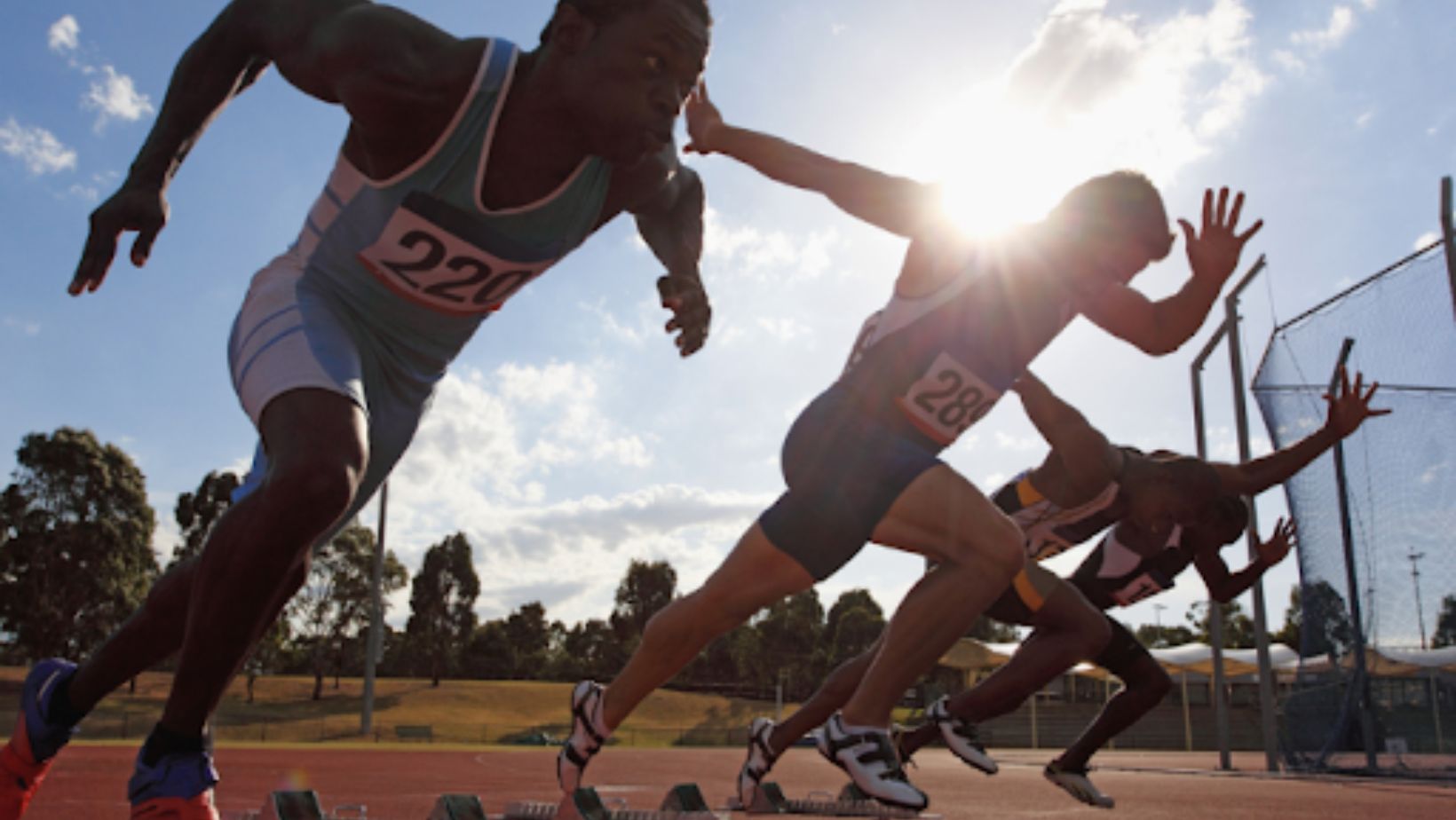
Why Athletes Are Turning to Regenerative Therapies
Regenerative medicine is a state of the art field that makes use of the natural healing process of the body. Regenerative medicine involves the application of stem cell therapy, platelet-rich plasma (PRP), and tissue engineering in order to repair or to replace damaged cells, tissues, or organs. This technique accelerates recovery and enhances the bodily natural healing to take place in cases of long-term health. Regenerative sports medicine, a subset of this area, helps athletes and active people heal faster and reduce downtime. Regenerative medicine transforms the medical practice by taking advantage of the self healing properties of the body.
Regenerative sports medicine is becoming more and more popular among athletes as they seek speedier recovery, less discomfort, and longer performance. Conventional sporting injury management may cause long sidelining of athletes owing to the healing process or invasive surgery. Platelet-rich plasma (PRP) and stem cell procedures are not very invasive and accelerate the healing process by taking the body to repair itself. These treatments, and benefits of stem cell therapy in particular minimize pain and inflammation and enhance damaged tissues and improve the recovery of athletes. Regenerative sports medicine is changing how players manage injuries and retain careers by combining effectiveness with reduced downtime.
The Science Behind Tissue Repair and Cellular Regeneration
The healing and recovery of human tissues, due to damage caused, is possible due to amazing repair mechanisms which are inherent. Coordinated inflammation, cell proliferation, and remodeling are the outcomes of tissue injury. Tissue healing depends on fibroblasts and stem cells. The severity of the injury and age slow down the natural healing process, as well as the response of the body. Regenerative sports medicine offers novel methods that boost the body’s healing. PRP and stem cell therapies enhance the ability of the body to regenerate the wounded tissue by pushing its capabilities.
Regenerative processes refer to a combination of cells, growth factors and signaling processes to repair and rejuvenate tissues. Stem cells are essential because they develop into the appropriate cells that restore damaged or degraded tissues. Growth factors are proteins released by cells, which suggest cell division, migration, and tissue repair. Signaling is a route of cellular action; this allows the regeneration to be controlled and effective. These elements create a self-regulated system with complex effects and, therefore, makes tissue regeneration therapies possible.
Being the body of course of action to injury, inflammation cleans the damaged tissue and initiates the healing. Nevertheless, the long-term inflammation may delay the process and lead to complications. The balance between injury repair and tissue regeneration needs to be regulated by the inflammation. Regenerative sports medicine optimizes this inflammatory phase with PRP and stem cell therapy. The inflammatory responses are regulated to accelerate the healing process and lower the chronic inflammatory conditions, enhancing the outcomes.
Key Regenerative Therapies Used in Sports Medicine
Platelet-Rich Plasma (PRP) Therapy
PRP Therapy is a cutting-edge regenerative sports medicine treatment that accelerates recovery using the body’s natural healing processes. A better plasma is introduced into the damaged tissue once a small amount of blood has been taken and treated to get concentrated platelets. Platelets release factors to grow and regenerate tissue. PRP treatment is applied in sporting injuries such as tendonitis, ligament rupture and muscle rupture. Its quicker surge in recovery, less surgical interference, and improved cure may be advantageous to the athletes who want to come back to their top performance non-invasively.
Stem Cell Therapy
A revolutionary approach to regenerative sports medicine, Stem Cell Therapy restores damaged tissues and speeds healing. It uses the special ability of stem cells to differentiate as cartilage, tendons, ligaments, and muscles are regenerated by this therapy. Stem cells produce bioactive chemicals which lessen inflammation, repair tissue, and enhance natural healing. This radical approach helps athletes recover and has long-term outcomes on a non-invasive basis to regain strength and functionality.
Shockwave Therapy
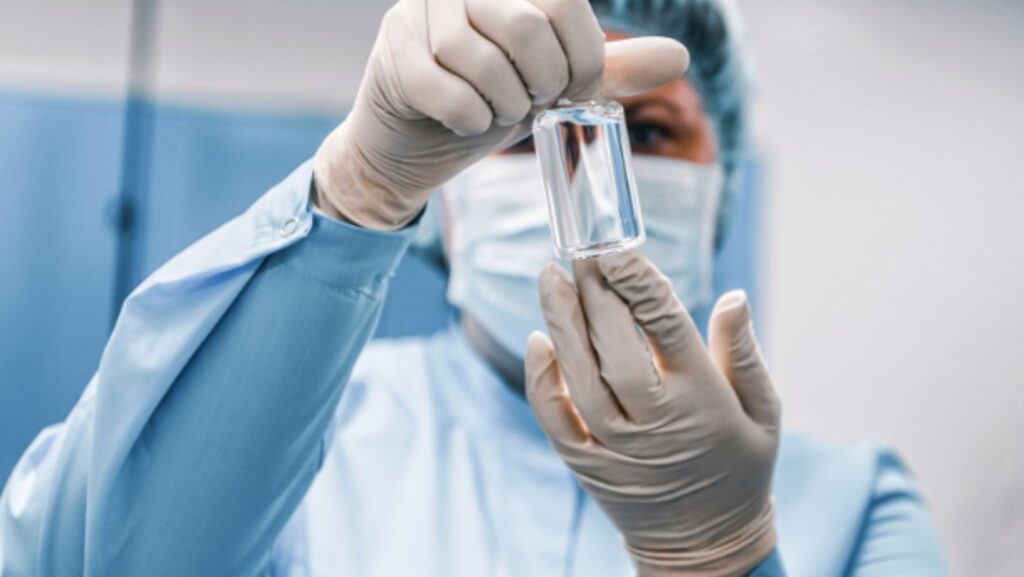
The therapy involves the application of mechanical energy into reaching injured tissues with acoustic waves in order to regenerate cells and enhance blood flow. Activating the healing processes in the body, shockwave therapy reduces pain and enhances movement slowly. It treats tendinopathy, plantar fasciitis, and calcific shoulder tendinitis. This is a revolutionary treatment that has low side effects and does not require a patient to be down, which is why it is popular with patients who need non-surgical alleviation of injuries.
Peptide Therapy in Sports Recovery
Peptide treatment is a revolutionary regenerative sports medicine technology that speeds muscle and tissue healing. Such peptides as BPC-157 and TB-500 have been shown to stimulate cell growth, reduce inflammation, and enhance blood circulation to the damaged tissue. The peptides replicate the physiological processes to trigger collagen synthesis and repair the tendons, ligaments, and muscles. The peptide treatment assists an athlete to get well sooner, remove rest time and resume performing optimally without jeopardizing his/her health.
Benefits of Regenerative Medicine for Athletes
Faster Healing
Regenerative sports medicine helps players heal faster by increasing the body’s inherent repair mechanisms. PRP therapy induces cellular repair and calms down inflammation of the site of injury to heal tissue. This technique reduces the recovery time and improves the healing of tissues so that recovery becomes stronger and more robust. Athletes are able to resume their performances in a shorter time and injury free.
Reduced Pain
Stem cell therapy applies the natural healing mechanisms of the body in the treatment of pain. These procedures are aimed at and naturally, the inflammation is reduced to promote healing without the continued use of painkillers, which may have undesirable effects. The benefits of drug-free rehabilitation are a more beneficial, long-term recovery process and the decrease of medication addiction so that athletes can concentrate on performance without jeopardizing their health.
Natural, Non-Surgical Solution
Platelet-rich plasma (PRP) and stem cell treatments have the effect of activating natural healing within the body to produce new and healthier cells. This heals damaged muscles, makes muscles, tendons and ligaments stronger and longer, making them more athletically functional. Regenerative therapies reinforce these structures in a bid to reduce the chances of subsequent injuries enabling athletes to deliver their best and be physically sustainable.
The regenerative therapies employ the natural healing processes in the body to prevent surgery, which is desirable to the athletes. Regenerative medicine also allows athletes to resume training and playing sooner than surgery, which may experience complications. This approach will decrease the amount of physical and mental stress associated with surgery and will enable sportsmen to remain active during an injury treatment.
Enhanced Athletic Performance

Regenerative sports medicine improves athletic performance by strengthening tissues, enhancing movement patterns, and optimizing biomechanics. Treatments increase the strength of muscles, tendons and ligaments through repairing and regeneration of damaged tissues. This accelerates recovery of injuries and prevents injury. Increased mobility, pain, and sports performance can be achieved through the increased movement efficiency and better body structure of an athlete.
Sophisticated measures such as PRP and stem cell therapy repair damaged tissues and enhance the natural healing process in the body. Regeneration enhances the joint health and range of motion, which is critical to optimum sports performance. Higher mobility and flexibility assist athletes to accomplish complicated movements and minimize stresses and injuries. Regenerative medicine aids athletes to maintain optimum performance and reduce fatigue on their joints.
Regenerative Medicine Is Changing the Game
Regenerative sports medicine transforms athlete performance, recuperation, and careers. Novel platelet-rich plasma (PRP) treatment, stem cell treatment and tissue engineering accelerate the healing process, minimize recovery time and cure the defects of cells. Improving the performance and rehabilitation includes enhancing the wounded areas and decreasing re-injury. Regenerative sports medicine has immense potential, giving athletes of all levels the ability to become more resilient and long-lasting in their sport and opening the door to ideas that could improve healthcare outside of athletics.
Novel and personalized practices are required to enhance performance and recovery of athletes. Peak fitness requires regenerative sports medicine, proper nutrition, rest, and exercise. Having the information about new treatments and their requirements, the athletes are able to make the decisions that will lead to a fast recovery and the maintenance of their health and sustainability in the long-term. The rehabilitation is a sure way of a player being able to play in the future.






Discussion about this post