

Let’s face it – most of us don’t go to the doctor unless something feels off. But by the time we’re experiencing symptoms, we’re already late to the game. Preventive care is supposed to stop that cycle, yet traditional screenings haven’t always been efficient or accessible.
Technology is beginning to shift that equation. The goal of tech in healthcare isn’t futuristic anymore; it’s everyday. Indeed, these medical advancements are profoundly changing the way we approach self-care, and it’s starting to change how we catch diseases early, monitor chronic conditions, and empower individuals to take charge of their health much sooner than ever before.
Early Detection Gets a Boost with Scanning Innovations
Screening tools have always been part of prevention, but tech is making them smarter and more precise. A standout example is the use of OCT for Glaucoma, which provides high-resolution scans of the eye to detect signs of glaucoma well before symptoms emerge. This kind of non-invasive imaging can catch subtle changes invisible even to experienced professionals.
These advancements aren’t limited to eye health. Similar breakthroughs have emerged in dermatology, oncology, and neurology, allowing conditions like skin cancer or Alzheimer’s to be monitored with tools that are faster, cheaper, and often more comfortable for patients.
1. Wearables Are the New Baseline Monitors
Chances are you or someone you know owns a fitness tracker or smartwatch that monitors heart rate, sleep, or physical activity. But these devices aren’t just for counting steps; they’ve evolved into powerful monitoring tools. Some can detect irregular heart rhythms, monitor blood oxygen levels, or watch for signs of stress.
More importantly, these wearables produce continuous streams of data, enabling doctors to spot trends and potential health issues long before you’d book an appointment, a capability increasingly recognized for its clinical utility in early disease detection. That means doctors can spot trends and potential health issues long before you’d book an appointment.
2. AI Diagnostics Redefine Accuracy
AI and machine learning are transforming diagnostics by analyzing health data faster and more accurately than human clinicians can do alone. Tools powered by algorithms are already assisting radiologists by spotting anomalies in X-rays and MRIs, with research indicating that AI models can sometimes outperform experienced professionals in diagnostic accuracy.
The secret isn’t replacing doctors, it’s enhancing them. By removing human error and fatigue from the equation, AI can act as a second set of eyes, contributing to the ongoing discussion about whether AI will replace real doctors. And in areas with doctor shortages, that precision could literally be lifesaving.
3. DNA and Biomarker Testing for Personalized Prevention
Not all preventive care should be one-size-fits-all. With increasing access to genomic testing and biomarker analysis, preventive strategies can now be tailored to your personal risk profile. Companies offer DNA tests that estimate everything from your likelihood of developing Type 2 diabetes to your metabolism rate. Investing in a DNA test empowers individuals to take proactive control of their health by uncovering precise genetic insights that guide more effective, long-term wellness decisions.
While this tech is still evolving, it’s giving people tools to make highly informed lifestyle adjustments before disease can develop.
How Accessible Are These Innovations Really?
New tools sound exciting, but accessibility and affordability still matter. The good news is that many of these technologies, especially wearables and scans like OCT, are becoming more common in routine clinical settings and even retail health clinics.
Insurance is slowly catching up, too. As more research validates the long-term cost savings of early detection, more providers are beginning to cover these screenings. Still, there’s a long way to go before this tech is truly equitable. Addressing these hurdles is crucial, as various factors may impact a patient’s compliance with preventive care, influencing the ultimate success of these advanced tools.
A Mind-Body Reset Through Preventive Tools
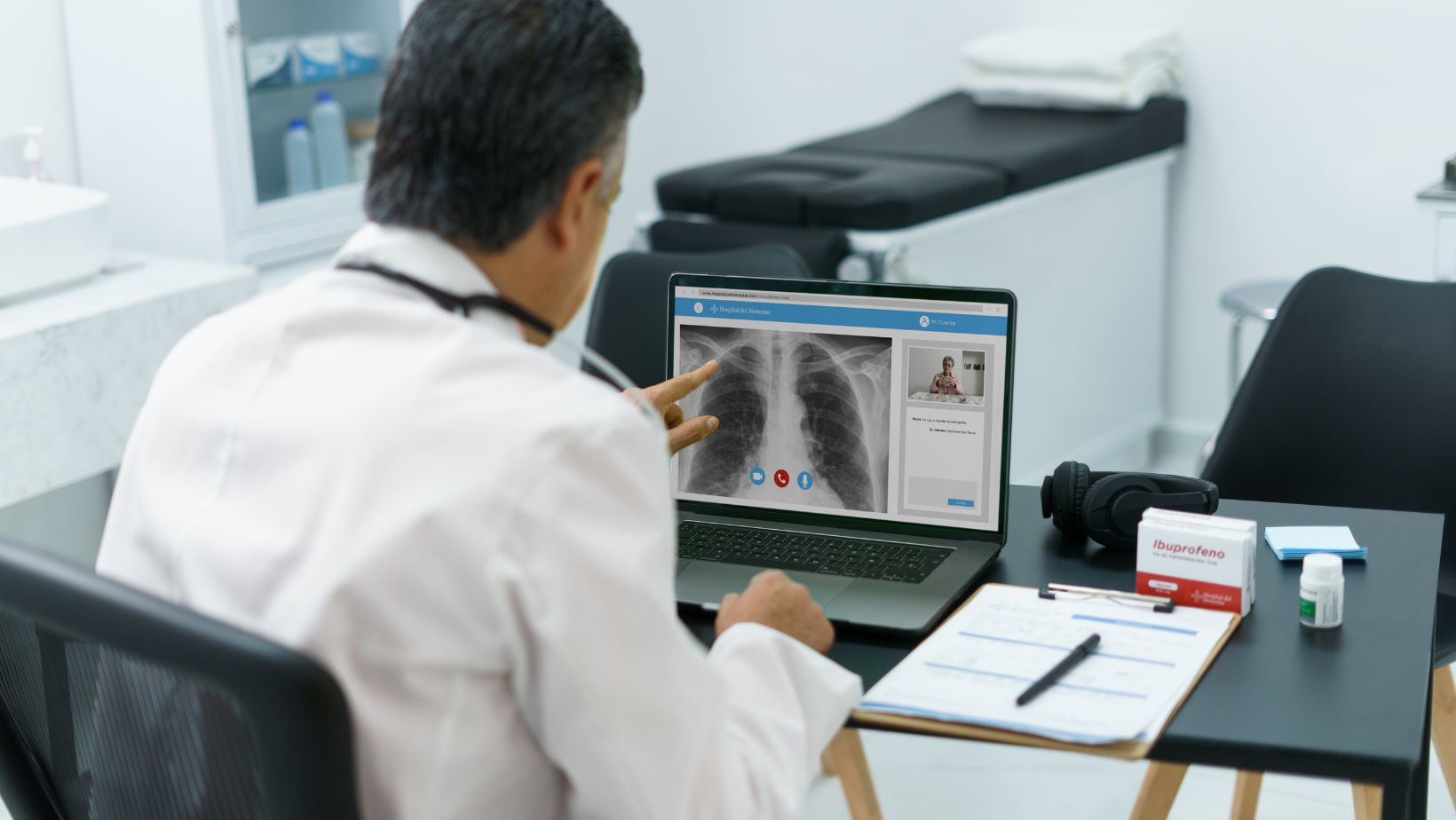
Interestingly, many of these tech-powered screenings don’t just focus on physical health; they’re expanding into mental wellness, too. Some apps now use voice patterns or facial recognition to estimate mood and stress levels. Combined with biometric data, they can prompt interventions when someone is approaching burnout or depression.
This kind of integration may sound futuristic, but it aligns with a more holistic view of health that’s gaining traction. Redefining health boundaries, mental wellness, and physical wellness are deeply interconnected.
Are We Ready for the Shift to Preventive-First Care?
Even with all this amazing tech, adoption isn’t automatic. Doctors, patients, and insurers all need to adapt. That means learning how to work with digital health data, trusting algorithm-backed diagnoses, and building healthcare systems that reward prevention rather than just treatment.
We’re not there yet, but it’s happening. Holistic intervention shows that even major challenges like addiction are now being approached from a more whole-person, proactive perspective. And that’s the future preventive health is pushing toward: care that’s personal, tech-informed, and human-focused.
Final Thoughts: Prevention Just Got Smarter
Preventive healthcare isn’t just about annual checkups anymore. With technology on its side, it’s becoming more dynamic, personalized, and proactive. From eye scans and AI imaging to DNA insights and wearable data, we’re able to spot problems earlier, treat them faster, and, in many cases, avoid illness altogether.













Discussion about this post