
Preventive health has become more central to everyday wellness. People are taking a wider view of what it means to stay healthy, looking beyond symptoms and treating the body as a connected system.
Vision care is gaining new attention within this shift. Eye exams are no longer something people only schedule when their prescription feels outdated. They are becoming a vital part of maintaining long-term health, catching conditions early, and supporting overall well-being.
Below are the key reasons vision care is emerging as a foundation of modern preventive health and why it deserves the same priority as routine physicals, dental checkups, or mental wellness screenings.
1. Eye exams help detect systemic diseases early
One of the strongest reasons vision care is becoming essential is that eye exams can detect much more than blurry vision. The eyes offer a direct, non-invasive view of blood vessels, nerves, and tissues that reflect what is happening throughout the body.
Conditions like diabetes, hypertension, high cholesterol, autoimmune disorders, thyroid disease, and even certain cancers often show early changes in the eyes before symptoms emerge elsewhere.
Advanced diagnostic tools, such as a ZEISS Fundus Camera, allow clinicians to capture high-resolution images of the retina and optic nerve. These images help detect subtle abnormalities that may signal early disease.
This creates an opportunity for intervention when treatment is more effective, less invasive, and more affordable. For many people, an eye exam becomes the moment they first learn about a broader medical issue, which makes screening a critical part of preventive care.
2. Rising screen time is accelerating eye strain
Daily life now involves long hours on screens. From remote work to online entertainment to smartphone use, digital exposure has increased for nearly every age group. This has contributed to widespread digital eye strain. People report more dryness, headaches, blurred vision, light sensitivity, and difficulty focusing.
Regular vision checkups help identify early strain and offer strategies to manage it, including updated prescriptions, lens coatings, ergonomic adjustments, and behavioral habits that protect eye comfort. Technology-based assessments, including digital retinal imaging tools like the ZEISS Fundus Camera, also help track changes caused by excessive screen time.
As digital lifestyles continue to expand, preventive eye care serves as a counterbalance to ensure long-term visual health.
3. Vision plays a major role in productivity and safety
Clear vision is central to how people work, learn, and navigate daily life. Even minor uncorrected vision issues can affect concentration, accuracy, and performance.
At work, this can lead to mistakes, reduced efficiency, or chronic fatigue. In daily activities such as driving or operating equipment, untreated vision problems can increase the risk of accidents.
Routine eye care helps people maintain sharp vision and ensures that small changes in eyesight do not compromise their ability to function safely and comfortably. For children, early eye exams support reading, focus, and learning development.
For adults, they help maintain consistent productivity and confidence. For older individuals, they reduce fall risks and support independence.
4. Myopia rates are rising, especially among younger generations
Myopia, or nearsightedness, has risen dramatically worldwide. Researchers link this trend to two major factors: increased screen use and reduced outdoor time. As more children and teens spend long hours focusing on close-range tasks, their risk of myopia progression increases.
Early preventive eye care allows clinicians to identify myopia at the earliest stages and implement interventions such as specialized lenses, low-dose atropine, or behavioral adjustments that help slow its progression.
This matters because high myopia in adulthood increases the risk of retinal damage, glaucoma, and other serious conditions.
Treating myopia as a long-term health concern rather than a simple prescription issue is a major shift in modern preventive care.
5. Vision health influences emotional well-being
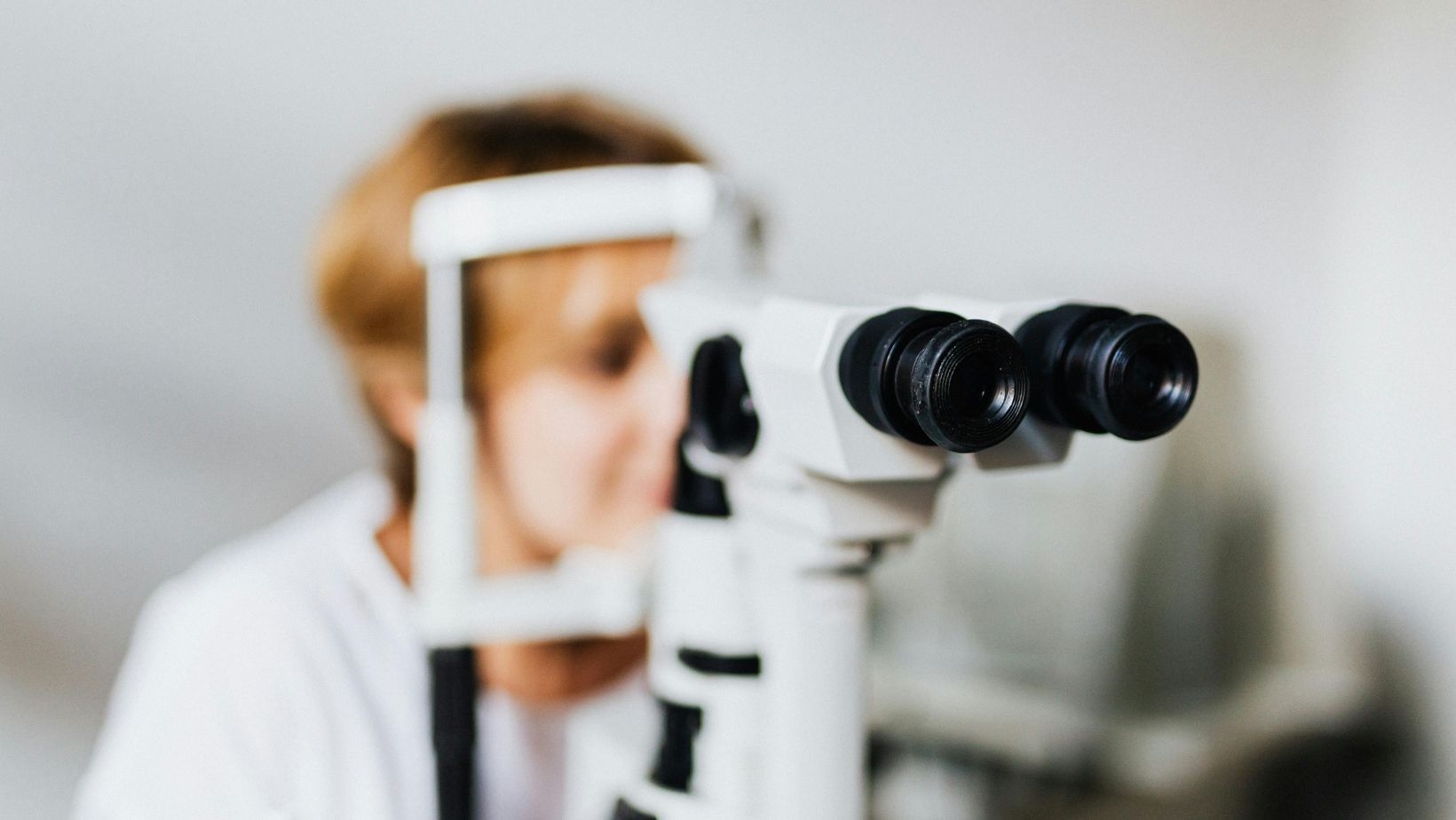
Clear and comfortable vision affects mental and emotional wellness more than most people realize. Eye strain, blurry vision, or chronic discomfort can create frustration, fatigue, and anxiety. People may withdraw from activities they once enjoyed or feel less confident navigating daily tasks.
For older adults, declining vision can contribute to social isolation, reduced mobility, and feelings of dependence. Preventive care helps people stay engaged, capable, and confident. When vision is supported, individuals often experience improved mood, reduced stress, and better quality of life.
This aligns closely with the broader holistic view of wellness that emphasizes mental, emotional, and physical health working together.
6. Aging populations require earlier and more consistent monitoring
As global populations age, eye diseases related to aging are becoming more common. Conditions like glaucoma, cataracts, macular degeneration, and diabetic retinopathy typically develop slowly and are often symptom-free in early stages. Once vision loss occurs, it is frequently irreversible.
Regular preventive exams detect these issues before symptoms become noticeable. Early detection dramatically improves the chances of preserving long-term vision.
Aging individuals who stay consistent with eye care often maintain better independence, mobility, and overall well-being. This makes vision care a key part of healthy aging strategies worldwide.
7. Preventive eye care is more cost-effective than late-stage treatment
Many vision-related conditions are far more expensive to treat once they advance. Late-stage glaucoma, retinal damage, or advanced macular degeneration often require complex procedures, long-term medication, or extensive follow-up care. In contrast, early detection usually leads to simpler interventions and significantly lower healthcare costs.
For both individuals and healthcare systems, preventing severe vision loss is financially and practically more manageable than treating it. This economic advantage is pushing vision care to the forefront of preventive health planning.












Discussion about this post