
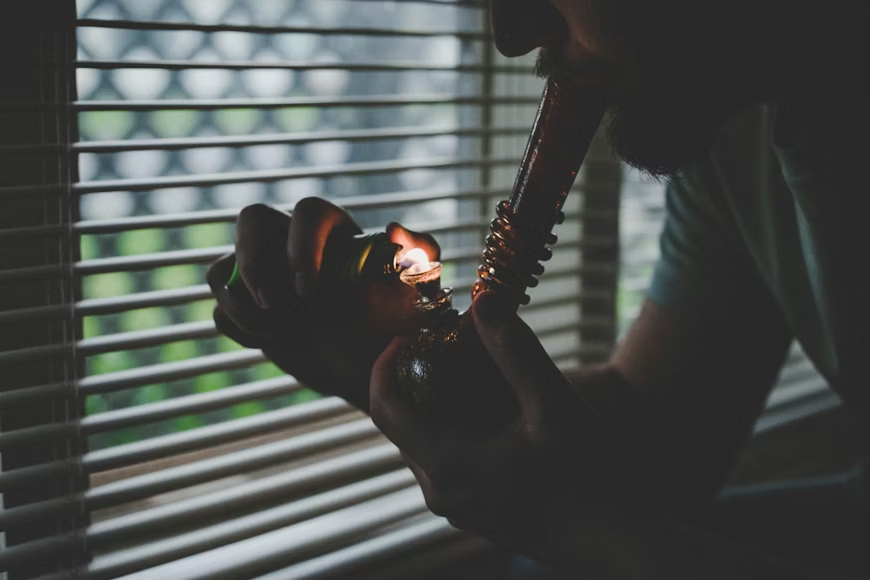
How’s your lung health these days?
Regular bong maintenance is one of the most ignored (but critically important) parts of responsible consumption. It’s the foundation of a clean experience and the single most important health determinant over the long term. Without it, every session is a roll of the dice.
And get this…
Cleaning your piece is:
- Zero cost
- Simple as can be
- Instantly impactful
…and the first step toward better lung health overall.
What We’ll Cover:
- Dirty Water Is a Bacterial Risk
- These Hidden Dangers Grow in Your Glass
- Biofilm Is What Ruins Your Experience
- Cleaning Habits for Respiratory Protection
Dirty Water Is a Bacterial Risk
Dirty bong water is a petri dish.
I’m not kidding. One study found that bongs have 58,000 times more bacteria than toilet seats. If you’re cleaning properly, that’s not a number you want to see.
Shopping for quality bongs and water pipes is one thing. But maintaining them for optimal performance and health protection is on another level entirely. The finest borosilicate in the world can’t prevent what grows inside.
A bong works because it filters out tar, ash, and particulates before the smoke enters the lungs. The water itself traps these before you inhale. The problem is that it also becomes contaminated almost immediately after use.
Picture it:
Smoke residue, saliva, and plant material all eventually end up in that water. Then within 24 hours, microbes have multiplied into colonies. By 48 hours, what remains is a bubbling mass of microbes that no one should be smoking through.
The Hidden Dangers Grow in Your Glass
What is it exactly that grows in a dirty bong?
Allow me to introduce you to some friends:
- Bacteria
- Fungi
- Mold
- Yeast
- Biofilm
Oh, and get to know them well. Because that list is just the beginning of what lives in water pipes.
Bacteria in the lungs and respiratory system can cause some scary illnesses:
- E. coli: You don’t want that in your lungs
- Streptococcus: Strep throat, pneumonia, scarlet fever, and more
- Staphylococcus: Skin infections and staph
- Pseudomonas: Bad lung infections
- Bacillus: Food poisoning and anthrax, obviously
Fungi, mold, and yeast live in warm moist environments, and grow faster in stagnant water. Once they get airborne in a bong, breathing them in just increases risk.

Biofilm is a slimy protective layer that the rest of these bugs use as a base. Forming from saliva and other organic material, it’s a protective barrier in which none of the above wants to live. This is a concern, too.
Each of these microscopic risks poses real respiratory health consequences. Streptococcus is a major cause of acute bacterial respiratory infections. E. coli really doesn’t belong anywhere near the lungs. Mold causes reactions and serious conditions. Biofilm growth is even worse.
The longer you let that water sit unchanged, the more all of these dangers increase.
Biofilm Destroys Your Experience
Wait. Hear me out.
Biofilm is the biggest enemy of all.
According to the National Institutes of Health, biofilm formation is associated with a whopping 65% of microbial infections. This mucous-like layer forms when microbes attach to a solid surface and start producing substances that protect the colony.
Cleaning with water or soap can’t penetrate biofilm. It just won’t budge. Once formed, biofilm traps the bacteria within. They become resistant to cleaning agents, sometimes even antibiotics. Infections caused by bacteria in biofilm are notoriously difficult to treat.
Pretty freaky, huh?
Biofilm can form inside of a bong in as little as a few hours. Within 24 hours, a visible slime film can form. Do you see that cloudy buildup on your glass? The circle around the water level?
Biofilm. Pure and simple. The home that all of the aforementioned nasties want to inhabit.
Some of the respiratory consequences of inhaling through biofilm-contaminated bongs include:
- Respiratory infections like bronchitis and pneumonia
- Chronic cough and throat irritation
- Lung inflammation that builds over time
- A depressed immune response
This isn’t some made-up hypothetical. This is real and it happens.
Cleaning Habits for Respiratory Protection
Here’s the thing, though:
All of that is entirely preventable.
Maintaining a clean glass experience and protecting respiratory health from the above takes barely any effort. A few simple daily habits form the line between a clean experience and a trip to the doctor’s office.
Change the water after every session. Dump it out. Fill it back up. Every time.
Empty and dry the bong between sessions. Don’t let water sit overnight. Dump it out, tip the bong upside down, and let it air dry. This prevents biofilm formation.
Clean your piece at least once a week. If you clean your bong properly once a week, you’re far ahead of most smokers. A simple isopropyl alcohol (90% or higher) and coarse salt mixture does the trick. The alcohol kills, and the salt scrubs.
Inspect your piece regularly. Cloudiness, discoloration, or visible residue? Clean the thing. These are all signs of bacterial growth that impacts both flavor and health.
Consider, too, the types of products you use. Quality glass with smooth interior finishes resists buildup far better than cheaper, rougher alternatives that harbor bacteria.
The Real Cost of Neglect
Neglecting maintenance doesn’t just impact respiratory health. Dirty bongs impact every area of the smoking experience.
Terpene profiles and all of those carefully bred characteristics get lost when passed through contaminated water. It tastes harsh and burnt.
There’s the financial impact as well. Respiratory infections mean doctor visits, medications, and missed work. Cleaning the bong each week takes time but can prevent some major health issues down the road.
Buildup also degrades functionality. Smoke movement becomes restricted, so you’re forced to inhale harder for the same results. Clean glass means better, smoother, easier sessions.
Bringing It All Together
Regular bong cleaning and maintenance is way more important to respiratory health than most smokers realize. The bacteria, mold, biofilm, and other nasties that grow in unclean pipes are serious and well-documented threats to the lungs. This risk compounds over time.
The solution is refreshingly simple:
- Change the water after every use
- Empty and dry the piece between sessions
- Deep clean with isopropyl alcohol and salt weekly
- Never share a bong when sick
- Inspect your piece regularly for buildup
These habits take less time than it takes to make a single joint. But the benefits for respiratory and overall health are massive.
Clean glass is clean smoke is healthy lungs. It’s really that simple.
Prevention always beats treatment, and by far. Why risk respiratory infections and long-term inflammation when a few minutes of cleaning a week prevents the threat entirely?
The next time that water starts to look a little murky, think about what’s growing in there. 58,000 times more bacteria than a toilet seat, remember? It’s not waiting around. It’s multiplying every hour you wait.
Make cleaning a non-negotiable part of the routine. Lungs around the world will thank you.












Discussion about this post