

If you have complex dental work ahead or suffer from dental anxiety, IV sedation can make your visit much easier. This method uses medication delivered through a vein to help you relax deeply and stay calm during longer or more involved procedures.
IV sedation is often used for treatments like oral surgery or full mouth implants because it provides precise control over your comfort and anxiety levels. It also helps some patients forget unpleasant parts of the treatment, making the experience less stressful.
Knowing when and why IV sedation is used can help you feel more confident about your dental care. Whether you’re facing a challenging procedure or severe anxiety, learning about this option lets you make better choices for your health and comfort.
What Is IV Sedation Dentistry?
IV sedation dentistry uses medication delivered directly into your bloodstream to help you relax during dental procedures. It controls anxiety, eases pain, and makes complex treatments more comfortable. The process, types of drugs used, and safety measures all work together to keep you calm and safe.
How IV Sedation Works
IV sedation works by injecting sedative drugs into a vein, usually in your arm or hand. These drugs quickly enter your bloodstream, producing a calming effect within minutes. You stay conscious but deeply relaxed, often losing memory of the procedure.
The sedation reduces your anxiety and discomfort, allowing your dentist to work more efficiently. You might feel drowsy and less aware of your surroundings. Recovery from IV sedation is faster than general anesthesia, so you wake up calmly and can often go home the same day with someone to accompany you.
Types of Sedation Used in Dentistry
Benzodiazepines, like midazolam, are the most common drugs for IV sedation. They help you feel sleepy and reduce anxiety. Sometimes, other medicines are combined for stronger effects or to manage pain.
The level of sedation is adjustable. You may feel light sedation, where you are relaxed but awake, or moderate sedation, where you are very sleepy but can respond to instructions. Unlike general anesthesia, IV sedation does not put you completely to sleep, so breathing and reflexes remain stable.
Safety and Monitoring Protocols
Before your procedure, your medical history is reviewed to ensure IV sedation is safe for you. This includes checking for allergies, pregnancy, heart or lung conditions, and medications you take.
During treatment, your vital signs—such as heart rate, blood pressure, and oxygen levels—are closely monitored. A trained dental professional stays with you to adjust sedation levels if needed and respond quickly to any concerns.
Proper safety protocols and trained staff make IV sedation a reliable option for many patients requiring complex or lengthy dental work.
When IV Sedation Is Recommended for Complex Procedures
IV sedation is often the best choice when your dental treatment involves long or invasive work, or if you have specific health or anxiety concerns. It helps you stay calm and reduces pain, making the process easier for both you and your dentist.
Types of Dental Procedures Requiring IV Sedation
You will likely need IV sedation if your dental work is extensive or invasive. Common examples include dental implants, periodontal surgery, and wisdom teeth removal. These procedures can take a long time and may cause discomfort, so sedation helps you stay relaxed and pain-free.
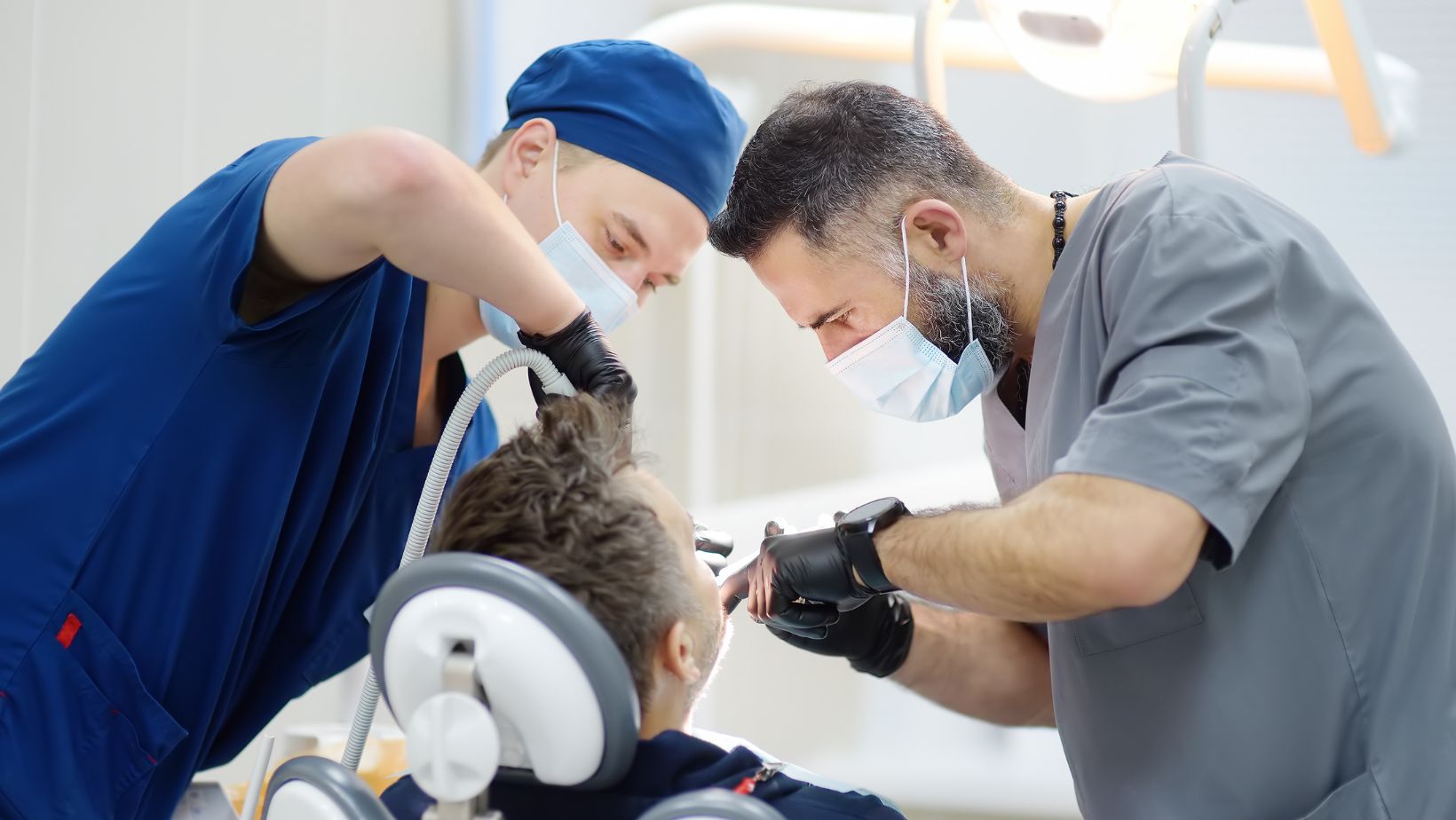
Multiple procedures in one visit also benefit from IV sedation. It lets the dentist adjust sedation levels during treatment to keep you comfortable. This is especially useful if your dentist plans to do complex tasks in a single session to reduce the total number of visits.
Patient Conditions and Considerations
Your dental anxiety and medical history play a big role in recommending IV sedation. If you experience severe dental fear or have a strong gag reflex, IV sedation can help you relax. It’s also preferred if you have trouble sitting still for long procedures.
Certain health conditions, like heart or lung issues, may require careful sedation management. Your dentist will evaluate your health to make sure IV sedation is safe and effective for you.
Risks of Avoiding Sedation in Complex Cases
Trying to avoid sedation during complex dental work can increase risks for you. Without sedation, you might move or feel too much pain, making the procedure harder to finish safely.
Stress and anxiety can raise your heart rate and blood pressure, adding to health risks. Avoiding sedation can also mean more appointments since uncomfortable or long procedures may need to be split up. This might delay your treatment and recovery.
Benefits and Considerations for Patients in Champaign, IL
If you face anxiety or need a complex dental treatment, IV sedation offers specific benefits and requires careful decisions. Knowing its advantages, how to pick the right dentist, and what to expect during recovery can help you feel more prepared and confident.
Advantages of IV Sedation for Dental Anxiety
IV sedation delivers medication directly into your bloodstream, allowing for quick and controlled relief from anxiety. It helps you feel deeply relaxed, which is useful if you have severe dental fears or if previous visits caused discomfort.
You remain conscious but calm, often with little to no memory of the procedure afterward. This can make complex treatments like root canals or dental implant placements more manageable.
IV sedation also offers precise control over your sedation level. Your dentist can adjust it as needed to keep you comfortable without losing complete control of your reflexes or breathing.
Choosing the Right Dentist for IV Sedation
Not every dentist offers IV sedation, so it’s important to find a provider trained specifically in this method. Look for dentists in Champaign who have proper anesthesiology partnerships or certification in sedation dentistry.
Check reviews and ask how often they administer IV sedation safely. You want a dentist experienced with managing dosage, monitoring vital signs, and handling any potential side effects.
Ask about the sedation process and what equipment they use. A professional IV sedation dentist will provide clear answers, discuss risks, and give detailed instructions before and after treatment.
Recovery and Aftercare
After IV sedation, you will need someone to drive you home since you might feel drowsy or dizzy for several hours. Your dentist will give you specific advice about rest, eating, and medication.
Avoid important decisions or operating machinery on the day of your procedure. You might experience mild side effects like dry mouth, nausea, or slight grogginess.
Following your dentist’s aftercare instructions helps ensure a safe and smooth recovery. If you feel unwell or notice unusual symptoms, contact your dental provider immediately.












Discussion about this post